
- Published on
Gut Microbiome Diversity and Glucose Regulation
Gut Microbiome Diversity and Glucose Regulation
Have you ever wondered why two people can eat the exact same meal and experience completely different blood sugar responses? While factors like exercise, sleep, and stress play significant roles, modern research is increasingly pointing to an "invisible" influence living inside you: your gut microbiome. The trillions of bacteria residing in your digestive tract do more than just help you process fiber; they are active partners in your metabolic health, playing a crucial role in how your body handles glucose and maintains insulin sensitivity.
Understanding the link between your internal ecosystem and your blood sugar numbers can feel like a complex puzzle. However, by nurturing your gut health, you may find that managing your glucose levels becomes more sustainable. In this guide, we will explore how a diverse microbiome supports metabolic balance and what you can do to cultivate a healthier gut.
The Invisible Engine: How Your Gut Affects Glucose
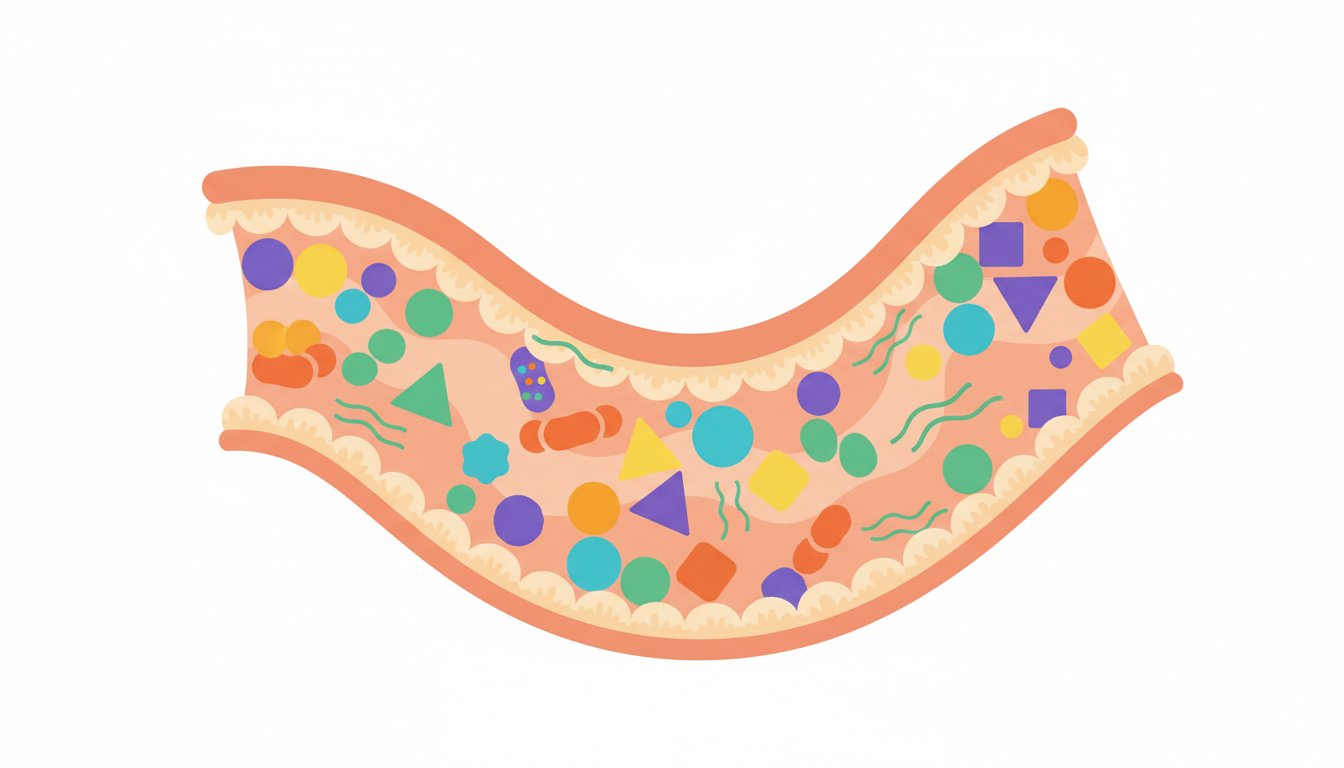
Your gut microbiome is a complex community of bacteria, fungi, and viruses. When this community is diverse, it acts as a robust metabolic engine. These microbes break down dietary fibers—which humans cannot digest on their own—into short-chain fatty acids (SCFAs), such as butyrate, propionate, and acetate.
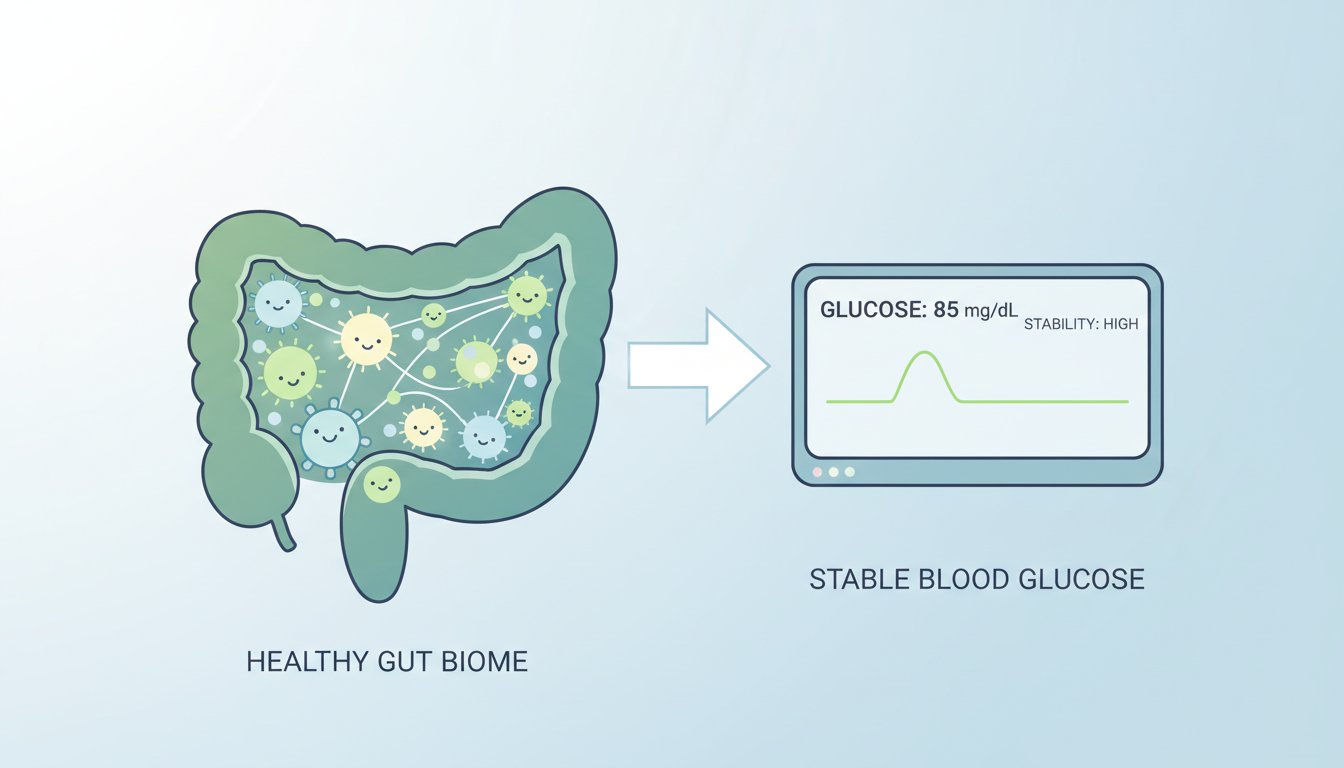
These SCFAs serve as more than just a byproduct of digestion. They act as signaling molecules that communicate with your liver, muscles, and pancreas. Research published in journals like Nature suggests that healthy levels of these fatty acids help improve insulin sensitivity, meaning your cells become more efficient at absorbing glucose from your bloodstream. Conversely, when microbial diversity is low, the body may struggle to regulate glucose effectively, often leading to higher post-meal spikes and less stable blood sugar levels over time.
Connecting Microbial Diversity to Insulin Sensitivity
Insulin sensitivity is the measure of how effectively your body uses insulin to move sugar out of your blood and into your cells for energy. When you have high insulin sensitivity, your pancreas does not need to work as hard to keep your glucose in a healthy range.
A diverse gut microbiome protects this sensitivity through several mechanisms:
Reducing Systemic Inflammation
Low gut diversity is often associated with a "leaky gut," where the intestinal barrier becomes more permeable. This allows bacterial components to enter the bloodstream, triggering low-grade, chronic inflammation. This inflammation is a known enemy of insulin signaling, often leading to insulin resistance. A diverse, healthy gut keeps this barrier strong and your inflammation levels low.
Regulating Hunger Hormones
Your gut bacteria influence the production of hormones like GLP-1 (glucagon-like peptide-1), which helps control appetite and stimulates insulin secretion. A balanced microbiome supports the natural release of these hormones, helping you feel satisfied after meals and preventing the erratic blood sugar swings caused by overeating or intense cravings.
Improving Metabolic Flexibility
Metabolic flexibility is the body's ability to switch efficiently between burning carbohydrates and fats for fuel. A diverse gut microbiome supports the metabolic pathways required for this transition. When your gut is thriving, your body is better equipped to handle the glucose from your meals without relying solely on insulin-heavy responses.
Actionable Steps to Diversify Your Microbiome
You don't need a medical degree to start improving your gut health. Small, consistent changes in your daily routine can foster a more diverse microbial community, which in turn can lead to more stable blood glucose readings.
1. Prioritize Fiber Variety
Think of fiber as the fuel for your good bacteria. Rather than just focusing on one type of fiber, aim for "plant diversity." Try to incorporate 30 different types of plant-based foods into your diet each week, including legumes, nuts, seeds, whole grains, and a wide variety of vegetables. Each plant offers unique compounds that feed different strains of beneficial bacteria.
2. Introduce Fermented Foods
Probiotic-rich foods like sauerkraut, kimchi, kefir, and unsweetened yogurt provide "live" beneficial bacteria to your gut. Regularly consuming these foods helps replenish your internal ecosystem. If you are new to fermented foods, start with a small tablespoon-sized serving daily to see how your digestion responds.
3. Manage Stress Levels
Your brain and gut are in constant communication via the gut-brain axis. Chronic stress alters the composition of your gut bacteria, which can directly affect your glucose regulation. Techniques such as deep breathing, meditation, or even a short walk can help calm the nervous system, creating a more hospitable environment for your beneficial microbes.
4. Monitor Your Unique Response
Because every person’s microbiome is unique, there is no "one-size-fits-all" diet for glucose control. This is where glucose tracking tools become invaluable. By using a glucose tracking app like GlucoAI, you can observe how your body responds to different fiber-rich meals or fermented foods. If you notice that your blood sugar remains more stable after introducing a specific type of prebiotic fiber, you have found a strategy that works for your unique biology.
Troubleshooting Common Issues
"I am eating healthy fiber, but my glucose is still spiking."
Solution: It takes time for the microbiome to shift. Consistent, long-term dietary changes are more effective than sporadic healthy meals. Additionally, consider the order in which you eat your food—eating fiber (like a side salad) before your carbohydrates can significantly blunt glucose spikes while also feeding your gut bacteria.
"I feel bloated when I increase my fiber intake."
Solution: This is common. When you suddenly increase fiber, your gut bacteria have a "growth spurt" that can cause gas. Increase your fiber intake gradually over several weeks to give your microbiome time to adapt comfortably. Please consult your doctor if you experience persistent discomfort or have underlying digestive conditions.
Results You Can Expect
By investing in your gut health, you are playing the long game. You may not see an instant change in your A1C (average blood sugar level over 3 months) overnight, but over time, improved microbial diversity often leads to:
- More stable glucose levels throughout the day.
- Reduced frequency of "sugar crashes" or energy slumps.
- Improved satiety and reduced cravings for processed foods.
- A more resilient metabolism that handles occasional indulgences with greater ease.
Summary and Next Steps
The relationship between your gut microbiome and your blood sugar is one of the most exciting areas of modern health. By diversifying your intake of plant fibers and supporting your gut through stress management and mindful eating, you are doing more than just feeding yourself—you are nourishing the trillions of partners that help you manage your metabolic health.
Managing your glucose isn't just about what you cut out; it’s about what you add to your life to help your body function at its best. To understand how your specific lifestyle choices influence your blood sugar, consistency is key.
Start today by logging your meals and monitoring your glucose trends. Using a tool like GlucoAI allows you to see the real-time impact of your dietary changes. By bridging the gap between your gut health and your blood sugar data, you can move from guessing to knowing exactly what helps you feel your best. Take the first step toward better metabolic health by observing your patterns and making small, evidence-based adjustments to your routine.
Disclaimer: This information is for educational purposes and does not constitute medical advice. Please consult your doctor before making significant changes to your diet, especially if you are managing diabetes or other metabolic conditions.
GlucoAI — Smart Blood Sugar Monitor
Track, analyze, and optimize your glucose levels with AI-powered insights.