
- Published on
Managing Glucose During Business Travel and Time Zones
Managing Glucose During Business Travel and Time Zones
Between airport security, back-to-back meetings, and unpredictable hotel dining, maintaining stable blood sugar can feel like a full-time job while you are on the road. If you live with diabetes, business travel introduces a unique set of variables that can disrupt your rhythm, from shifting meal times to the physiological stress of crossing multiple time zones. However, with the right strategy and a bit of preparation, you can keep your glucose levels within your target range without sacrificing your professional performance.
Traveling for work is often necessary, but it does not have to mean abandoning your health goals. By understanding how your body reacts to the stressors of travel and utilizing modern glucose tracking tools, you can turn a potentially chaotic trip into a manageable, successful journey. Let’s explore how you can stay on top of your metabolic health, no matter where your career takes you.
The Impact of Travel on Your Metabolic Health
When you cross multiple time zones, you are essentially throwing your circadian rhythm—your body's internal 24-hour clock—into a state of confusion. This internal clock regulates the release of hormones like cortisol and melatonin, which play a direct role in how your body handles insulin and glucose.
When your sleep-wake cycle is disrupted, your insulin sensitivity can fluctuate unexpectedly. Furthermore, the "stress of travel"—rushing to gates, navigating new environments, and managing professional expectations—triggers the release of stress hormones. These hormones signal your liver to release stored glucose into your bloodstream for "fight or flight" energy, which often manifests as an unexplained blood sugar spike, even if you haven't eaten a carb-heavy meal.
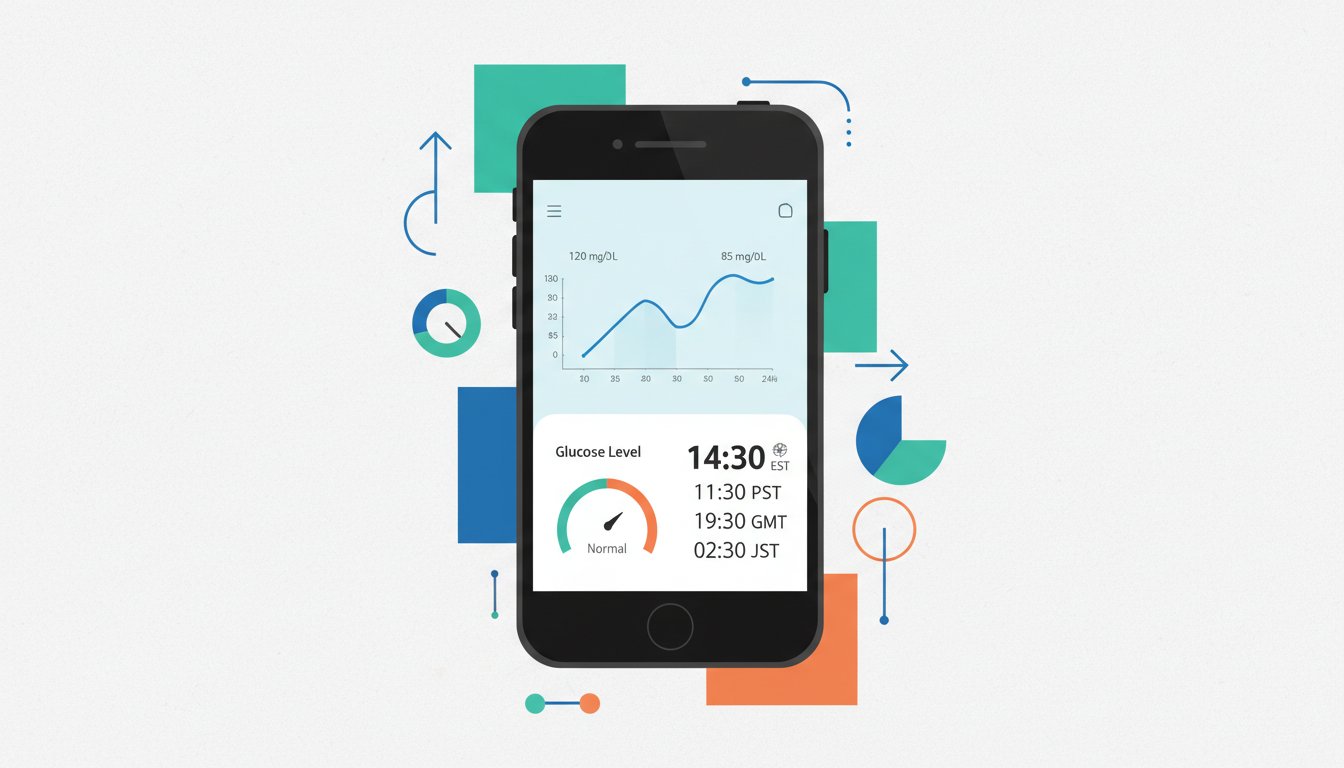
Understanding that these spikes are often hormonal rather than purely dietary can help you stay calm. Instead of feeling frustrated by a high reading, treat it as data to inform your next decision. Using a reliable system, such as the GlucoAI app, allows you to log these events and spot patterns over time, helping you predict how certain travel stressors might affect your numbers in the future.
Preparing for Takeoff: The Pre-Trip Checklist
The secret to managing glucose during business travel lies in the preparation you do before you even leave your front door. A well-packed travel kit is your first line of defense against the unpredictability of transit.
Organize Your Supplies
Always pack more medical supplies than you think you will need. If you use a Continuous Glucose Monitor (CGM), bring extra sensors and adhesive patches in case the humidity or sweat of travel causes a sensor to peel prematurely. Carry these in your carry-on luggage, not your checked bags, to avoid potential damage from extreme temperatures in the cargo hold.
Plan Your Nutrition
Airport food is notoriously low in fiber and high in refined carbohydrates. Pack "emergency" snacks that provide stable energy, such as raw nuts, seeds, beef jerky, or protein bars with low sugar content. Having these on hand prevents you from reaching for the nearest convenience store pastry when a meeting runs long.
Sync Your Tech
If you are using digital health tools to monitor your glucose, ensure your devices are fully charged and that you have downloaded any necessary offline data or maps. GlucoAI can be particularly helpful here, as it allows you to visualize your trends and receive smart insights even when your routine is far from normal.
Navigating Time Zones and Insulin Dosing
One of the biggest challenges for those on insulin therapy or specific medication schedules is the "time zone shift." If you are moving across several hours, your standard dosing schedule may no longer align with your actual day.
Consult Your Medical Team
Before you travel, speak with your healthcare provider to create a "travel plan." They can provide specific guidance on how to adjust your long-acting insulin or medication timing as you move between time zones. Never make these adjustments on your own without professional guidance, as the risks of hypoglycemia (low blood sugar) or hyperglycemia (high blood sugar) can be significant.
The "Slow Shift" Strategy
For shorter trips, some people find it effective to shift their medication schedule by an hour or two each day leading up to the trip. For longer, transcontinental flights, you may need to adjust your dosage based on the destination time upon arrival. Regardless of the strategy, keeping a log of your doses and glucose readings is vital. Using a centralized platform to track these shifts helps you identify exactly what works best for your body.

Maintaining Stability While on the Road
Once you arrive at your destination, the challenge shifts from transit to routine. Staying consistent is key to metabolic stability.
Prioritize Hydration
Dehydration is a common side effect of air travel and can lead to artificially higher glucose readings because your blood sugar becomes more concentrated. Drink water consistently throughout your flight and during your meetings. Aim for at least 8 ounces of water for every hour you are in the air.
The Power of Post-Meal Movement
If your business day is packed with sedentary meetings, find opportunities to move. A 10-minute walk after a business lunch can significantly blunt a post-meal glucose spike. If you are stuck in a conference room, even simple movements like toe raises or walking during phone calls can help improve your insulin sensitivity.
Choose Wisely at Business Dinners
Business dinners often involve complex menus and social pressure. Focus on "protein-first" dining. Prioritize lean proteins and non-starchy vegetables before touching any complex carbohydrates. This simple order of operations can help stabilize your glucose response, even when you aren't in control of the ingredients in your meal.
Troubleshooting Common Travel Issues
Even with the best planning, things can go sideways. Here is how to handle common, unexpected challenges:
- The "Unexpected Spike": If you see a spike after a stressful presentation, don't panic. Drink a glass of water and try a brief period of light activity. If you are using GlucoAI, annotate the event in the app as "stress" or "presentation" so you can learn from it later.
- The "Low" in Transit: Always carry a fast-acting glucose source, such as glucose tabs or fruit snacks, in your pocket or personal bag. Never rely on finding food in the airport or on the plane to treat a low.
- CGM Errors: Changes in cabin pressure or temperature can occasionally cause a CGM to give a false reading. If your sensor reading doesn't match how you feel, perform a finger-stick check with a standard blood glucose meter to verify.
Summary
Managing your glucose during business travel is entirely possible with the right mindset and tools. By prioritizing your supplies, working with your doctor on a clear medication plan, and staying mindful of hydration and movement, you can maintain your health while crushing your professional goals.
Key Takeaways:
- Preparation is everything: Pack extra supplies, snacks, and medical information in your carry-on luggage.
- Consult your doctor: Always have a clear, pre-approved plan for adjusting medication across time zones.
- Use your data: Leverage tools like GlucoAI to track how travel stress and new environments affect your glucose, allowing you to build a personalized, stress-free travel routine.
- Stay active: Incorporate movement into your workday, even if it’s just a short walk after a meal.
Travel is a part of life and career, and it shouldn't be a source of anxiety for your health. Start by tracking your habits consistently with GlucoAI, and you will find that over time, you become more resilient and better prepared for every trip on your calendar.
Disclaimer: This post is for educational purposes and does not replace professional medical advice. Always consult your doctor before making changes to your insulin or medication regimen, especially when traveling.
GlucoAI — Smart Blood Sugar Monitor
Track, analyze, and optimize your glucose levels with AI-powered insights.