
- Published on
How to Build a Blood Sugar-Friendly Smoothie
Have you ever blended up what you thought was a perfectly healthy green smoothie, only to find yourself feeling exhausted, shaky, or craving sweets just one hour later? It is an incredibly common experience that leaves many of us feeling frustrated and confused. We often associate smoothies with vibrant health, but without the right balance of ingredients, these blended drinks can act like liquid sugar bombs in your bloodstream.
When we blend fruit, we break down its natural cellular structure, which makes it much easier for your body to digest and absorb the sugars rapidly. This process can lead to a sharp rise in your blood glucose level, followed by an equally dramatic crash. Fortunately, you do not have to give up your favorite morning ritual. By understanding how different nutrients interact with your metabolism, you can learn to build a delicious, creamy smoothie that keeps your glucose curves beautifully flat and your energy levels stable all morning long.
Why Traditional Smoothies Cause Blood Sugar Spikes
Let's look at what happens inside your body when you drink a typical store-bought or home-blended smoothie. Many traditional recipes rely heavily on a base of orange juice or sweetened oat milk, packed with multiple bananas, mangoes, and a generous drizzle of honey. While these ingredients contain essential vitamins, they are also incredibly high in fast-acting carbohydrates.
When you consume fruit in its whole form, your teeth and digestive system have to work to break down the plant fibers. This slow digestion process releases fructose and glucose gradually into your bloodstream. Blending does some of this mechanical work for you, meaning your stomach empties much faster. Without protein, fat, or adequate intact fiber to slow things down, your liver and pancreas are suddenly flooded with sugar. Your body releases a surge of insulin to clear this glucose from your blood, leading to that post-smoothie energy crash.
The Blood Sugar-Friendly Smoothie Formula
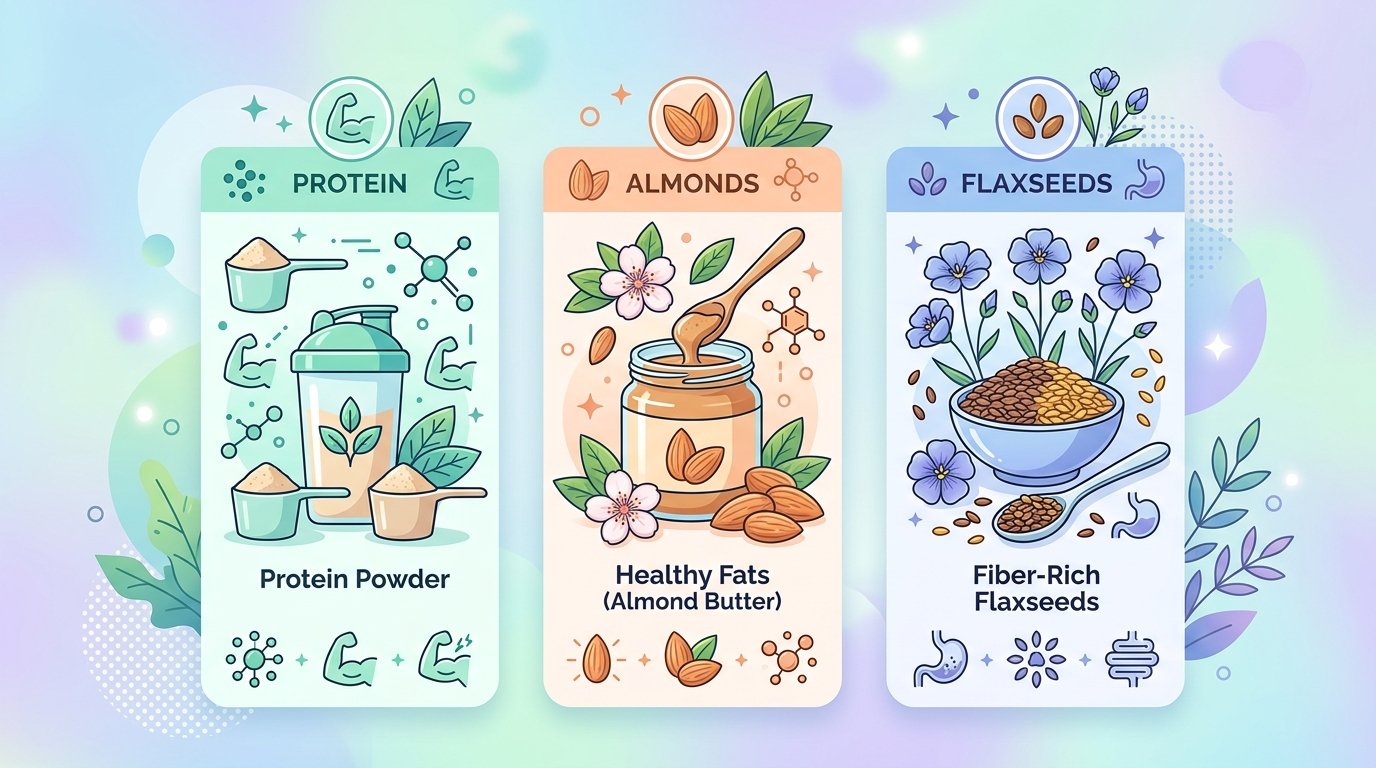
To prevent these dramatic spikes, we need to change how we think about smoothie construction. Instead of focusing solely on fruit, we want to build our drinks around what metabolic experts call the "glucose-stabilizing trifecta": protein, healthy fats, and dietary fiber.
These three components work together to slow down gastric emptying, meaning the food leaves your stomach at a gradual, controlled pace. This slower digestion prevents a sudden rush of sugar into your blood, keeping your energy stable for hours.
Protein: The Metabolic Anchor
Protein is the most crucial ingredient in your blood sugar-friendly smoothie. It stimulates the release of satiety hormones like peptide YY and GLP-1, which tell your brain that you are full. Aim for at least 20 grams of protein per serving. Excellent options include:
- High-quality unsweetened whey or plant-based protein powder
- Plain, unsweetened Greek yogurt or Icelandic skyr, which also adds a wonderful creaminess
- Silken tofu for a dairy-free, neutral-tasting protein boost
Healthy Fats: The Glucose Buffer
Fat is highly effective at slowing down digestion and buffering the glycemic impact of any fruit you include. It also helps your body absorb fat-soluble vitamins like vitamins A, D, E, and K. Try adding:
- One-quarter to one-half of a fresh avocado, which makes your smoothie incredibly velvety
- One to two tablespoons of unsweetened nut butter, such as almond, peanut, or sunflower seed butter
- One tablespoon of organic coconut oil or MCT oil
Fiber: The Digestive Speed Bump
While blending breaks down some fiber, adding extra, highly viscous soluble fiber can dramatically improve your post-meal glucose response. Fiber forms a gel-like substance in your gut, trapping sugar molecules and delaying their absorption. Great fiber boosters include:
- Two tablespoons of chia seeds or ground flaxseeds
- One to two tablespoons of psyllium husk, though you should start with a small amount to let your digestive system adjust
- A handful of frozen cauliflower rice, which adds texture without altering the flavor
Step-by-Step Guide to Crafting Your Perfect Blend
Now that you understand the formula, let's build your smoothie step-by-step. By following this order, you will create a perfectly balanced, nutrient-dense meal that supports stable blood sugar.
Step 1: Choose Your Liquid Base
Avoid fruit juices, coconut water, or sweetened alternative milks, as these add unnecessary liquid sugars. Instead, opt for:
- Unsweetened almond, macadamia, or coconut milk
- Filtered water or cold-brewed herbal tea
- Unsweetened soy or pea milk if you want an extra protein boost
Step 2: Add Your Greens
Greens are packed with magnesium, a mineral that plays a vital role in insulin sensitivity and glucose metabolism. Blend these with your liquid first to ensure a smooth texture.
- Two cups of fresh spinach or baby kale
- Swiss chard or baby bok choy
- Fresh herbs like mint or basil for a refreshing flavor profile
Step 3: Layer in Your Protein and Fats
Add your chosen protein powder or Greek yogurt, along with your healthy fats like avocado or almond butter. This ensures everything emulsifies beautifully, giving you a rich, satisfying mouthfeel.

Step 4: Select Your Low-Glycemic Fruits
You do not need to eliminate fruit entirely to keep your blood sugar stable. The key is to choose fruits that are lower in sugar and higher in fiber, and to keep the portion size to about one-half cup.
- Fresh or frozen berries, such as raspberries, blackberries, and strawberries
- One-half of a green, slightly underripe banana, which contains resistant starch that supports metabolic health
- Tart cherries or wild blueberries
Step 5: Throw in Metabolic Boosters
Enhance both the flavor and the metabolic benefits of your smoothie with these simple additions:
- One teaspoon of ground cinnamon, which research suggests can help improve insulin sensitivity
- A pinch of grated ginger to support digestion
- Unsweetened cocoa powder for a rich, antioxidant-packed chocolate flavor
Smoothie Ingredients to Avoid or Limit
When you are managing your glucose levels, some seemingly healthy ingredients can quietly derail your progress. Here are a few items to limit or avoid when building your drinks:
- Tropical fruits: Mangoes, pineapples, and papayas are delicious but have a much higher glycemic index than berries. If you use them, limit the portion to a few small chunks.
- Sweetened plant milks: Always check the nutrition label for "added sugars." Even original or vanilla-flavored oat and rice milks can contain high amounts of sugar.
- Dried fruits and sweeteners: Dates, honey, maple syrup, and agave nectar are often used to sweeten smoothies, but they cause rapid glucose spikes. If you need extra sweetness, try a few drops of organic stevia or monk fruit extract.
How to Use Your CGM to Personalize Your Smoothie
While the fat, fiber, and protein formula is a highly effective template, metabolic health is incredibly individual. What keeps one person's blood sugar perfectly flat might cause a mild rise in someone else. This is where personal tracking becomes invaluable.
If you use a continuous glucose monitor (CGM), you can test your body's specific response to your favorite smoothie creations. Try checking your glucose levels right before drinking your smoothie, and then monitor your numbers over the next two hours.
To make sense of these patterns, consider using a glucose tracking app like GlucoAI. By logging your smoothie ingredients and viewing your real-time CGM data side-by-side, you can easily identify which ingredients work best for your unique body. Perhaps your body handles a berry and almond butter blend beautifully, but experiences a slight rise with oats. Having access to these insights empowers you to fine-tune your recipes with confidence.
Summary
Creating a blood sugar-friendly smoothie does not mean sacrificing flavor or convenience. By shifting your focus from fruit-heavy blends to nutrient-dense, balanced meals, you can enjoy a creamy drink that supports your metabolic health. Keep these key principles in mind for your next blend:
- Ditch the juice base: Use unsweetened nut milks or water instead.
- Prioritize the trifecta: Always include at least 20 grams of protein, a source of healthy fat, and extra fiber.
- Keep fruit portions mindful: Stick to one-half cup of low-glycemic berries or green bananas.
- Test and learn: Use your CGM and tools like GlucoAI to discover your personal recipe for success.
Please consult your doctor or a registered dietitian before making significant changes to your diet, especially if you are managing diabetes or taking medication.
Are you ready to take control of your metabolic health? Download GlucoAI today to start tracking your meals, understanding your glucose trends, and building a lifestyle that helps you thrive!
GlucoAI — Smart Blood Sugar Monitor
Track, analyze, and optimize your glucose levels with AI-powered insights.