
- Published on
How Fatty Liver Impacts Your Blood Sugar Control
Have you ever felt like you are doing everything right—watching your carbs, exercising regularly, and taking your medications—yet your fasting blood sugar numbers remain stubbornly high? It is a frustrating experience that leaves many people feeling defeated. If this sounds familiar, the missing piece of your metabolic puzzle might not be what you are eating, but rather how your body stores it. Specifically, the culprit could be your liver.
Most of us associate blood sugar management entirely with the pancreas and insulin. However, your liver plays an equally vital role as your body’s primary glucose control tower. When excess fat begins to build up in the liver—a condition known as non-alcoholic fatty liver disease (NAFLD), recently renamed metabolic dysfunction-associated steatotic liver disease (MASLD)—this control tower gets congested. Let's explore how a fatty liver directly impacts your blood sugar control and, more importantly, what you can do to reverse it.
The Liver-Glucose Connection: Your Body's Smart Engine
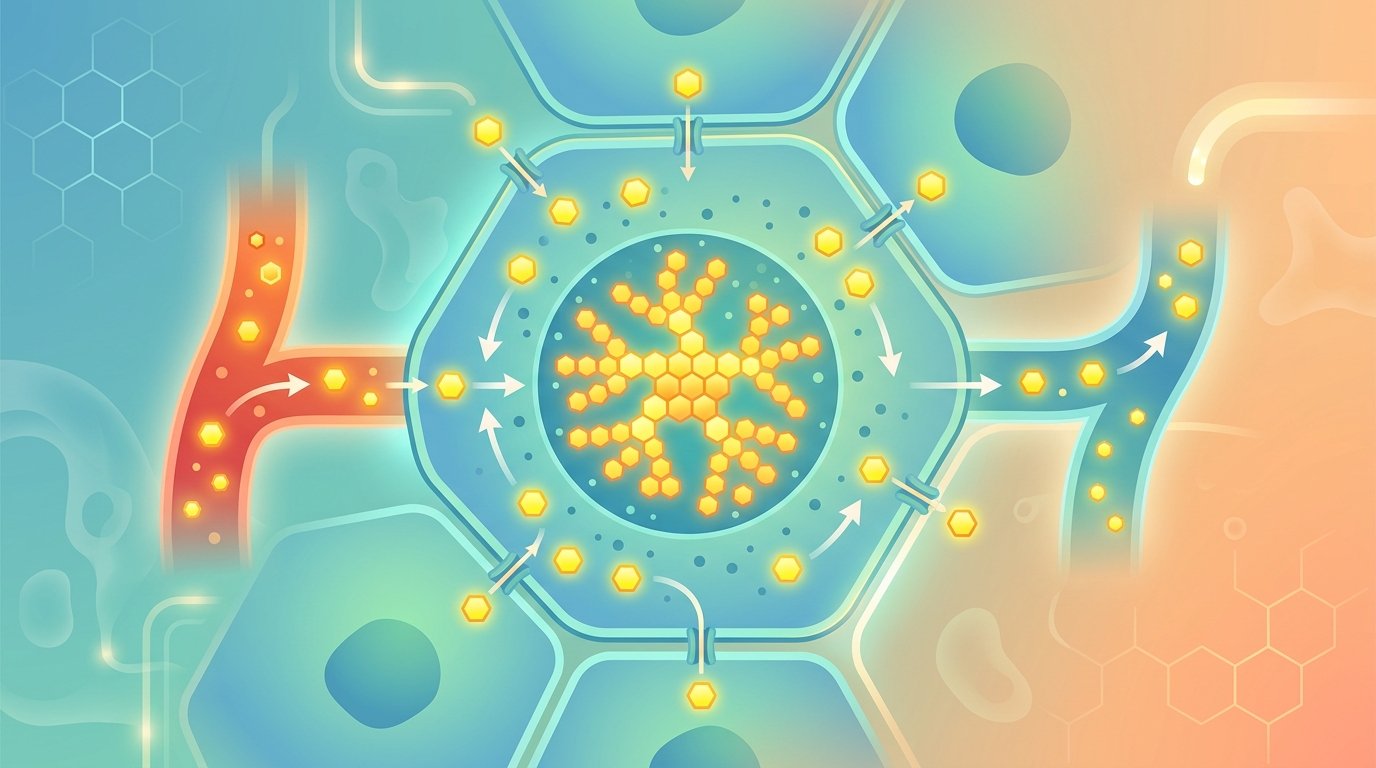
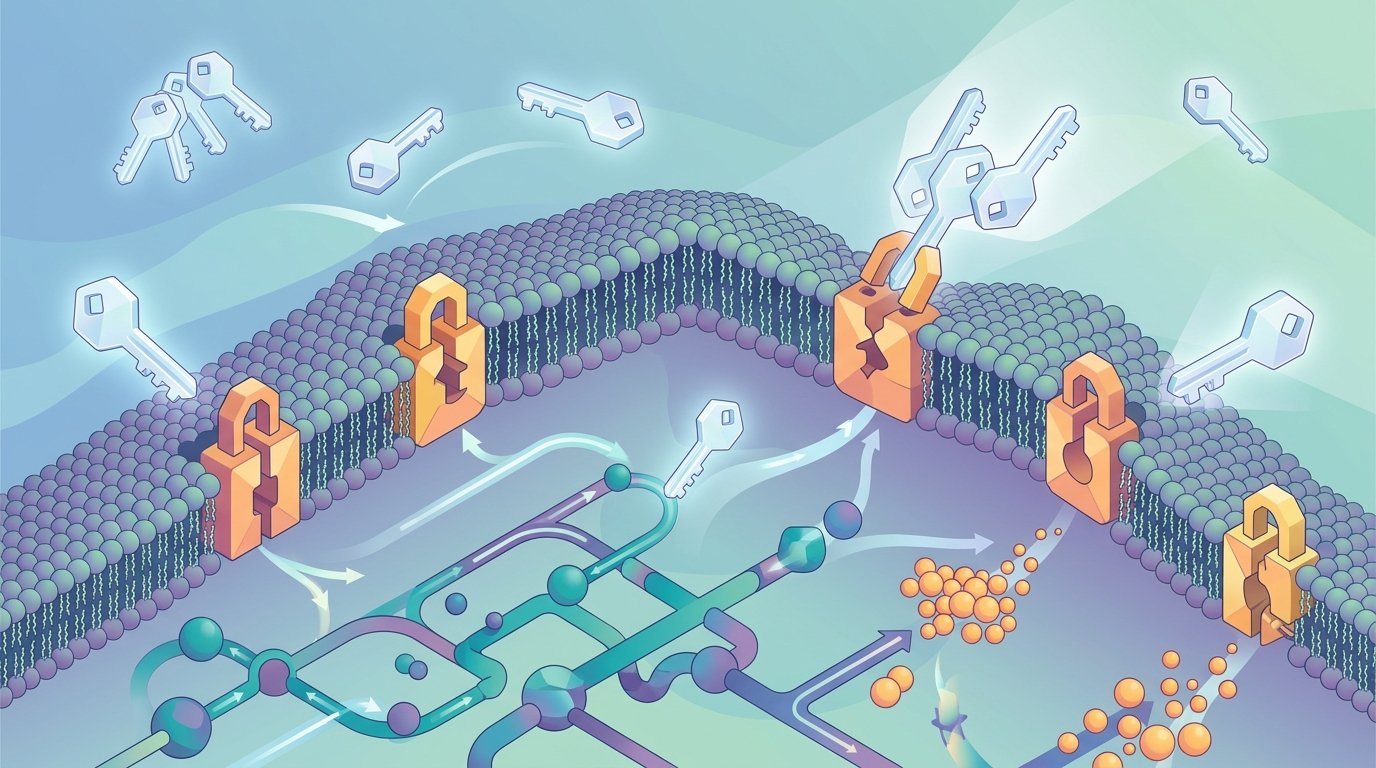
To understand how fatty liver disrupts your health, we first need to look at what a healthy liver does. Think of your liver as a smart energy reservoir. When you eat, your blood sugar rises, and your pancreas releases insulin. Insulin acts as a key, telling your cells to absorb glucose for energy. It also signals your liver to stop producing glucose and instead store the excess as glycogen for later use.
During periods of fasting, such as when you are asleep or between meals, your blood sugar naturally begins to drop. Your liver detects this change and goes to work. It breaks down its stored glycogen back into glucose (a process called glycogenolysis) and releases it into your bloodstream to keep your energy levels stable. If fasting continues, the liver can even manufacture new glucose from proteins and fats (a process called gluconeogenesis).
This delicate dance ensures that your brain and muscles always have a steady supply of fuel, keeping your blood sugar in a safe, narrow range.
What Happens When the Liver Becomes "Fatty"?
When we consistently consume more energy than our bodies need—especially in the form of refined carbohydrates, ultra-processed foods, and high-fructose corn syrup—the liver has to find a place to put the excess. It begins to convert these extra sugars into fat, storing them directly inside its own cells.
As fat accumulates, it physically and chemically disrupts the liver's ability to listen to insulin. This condition is known as hepatic insulin resistance.
When your liver becomes insulin resistant, the consequences for your blood sugar control are profound:
- The "off switch" breaks: Even when your pancreas secretes plenty of insulin after a meal, your congested liver fails to receive the signal to stop releasing glucose. It keeps pumping glucose into your bloodstream, leading to severe post-meal spikes.
- Elevated fasting blood sugar: Overnight, your liver is supposed to release just enough glucose to keep you alive and functioning. An insulin-resistant liver, however, overproduces glucose all night long. This is why you might wake up with high blood sugar levels, even if you did not eat anything before bed.
- Increased fat production: Ironically, while the liver becomes resistant to insulin’s message to stop making glucose, it remains highly sensitive to insulin's signal to make more fat. This creates a vicious cycle: high insulin levels drive more fat accumulation in the liver, which worsens insulin resistance, which raises blood sugar, requiring even more insulin.
The Silent Warning Signs of Liver Congestion
One of the most challenging aspects of fatty liver disease is that it is incredibly stealthy. In its early stages, it rarely causes obvious physical symptoms. You cannot feel fat accumulating in your liver. However, your body does leave clues, especially if you look closely at your metabolic data.
If you use a continuous glucose monitor (CGM) or track your blood sugar regularly, you might notice specific patterns that point toward liver involvement. For instance, a stubborn rise in morning blood sugar (often related to the dawn phenomenon or a hyperactive liver overnight) is a common sign. You might also notice high glucose variability, where your readings swing wildly up and down throughout the day despite consistent eating habits.
Clinically, your doctor can check for fatty liver using routine blood tests that measure liver enzymes, specifically alanine aminotransferase (ALT) and aspartate aminotransferase (AST). Elevated levels of these enzymes often indicate that liver cells are under stress or experiencing inflammation. An abdominal ultrasound or a specialized scan called a FibroScan can also provide a clear, visual picture of fat accumulation and stiffness in the liver.
Practical Steps to Reverse Fatty Liver and Reclaim Your Blood Sugar
The wonderful news is that the liver is an incredibly resilient organ. It has an outstanding capacity to regenerate and heal itself if given the right environment. By taking deliberate, daily actions, you can reduce liver fat, restore insulin sensitivity, and dramatically improve your blood sugar control.
1. Re-evaluate Your Carbohydrate Quality
Not all carbohydrates impact your liver in the same way. Fructose, the sugar found in high-fructose corn syrup, sweetened beverages, and processed snacks, is particularly taxing on the liver. Unlike glucose, which can be used by any cell in your body for energy, fructose can only be metabolized by your liver. When consumed in large amounts, it is rapidly converted directly into liver fat.
Focus on replacing processed sugars and refined grains with whole, fiber-rich foods. Vegetables, berries, nuts, and seeds provide essential nutrients without overwhelming your metabolic pathways.
2. Move to Deplete Glycon Stores
Physical activity is one of the fastest ways to empty your liver’s glycogen stores. When you exercise, your muscles demand glucose. Once your body burns through the glucose in your bloodstream, it draws from the glycogen stored in your muscles and liver.
A combination of resistance training (like lifting weights or bodyweight exercises) and cardiovascular exercise is highly effective. Resistance training builds muscle mass, which acts as a larger "sink" for storing glucose, taking the pressure off your liver. Aim for at least 150 minutes of moderate-intensity exercise per week, but remember that even short, 10-minute walks after meals can make a massive difference in post-meal glucose spikes.
3. Support Your Liver Through Quality Sleep and Stress Management
When you are chronically stressed or sleep-deprived, your body releases high levels of cortisol, often referred to as the stress hormone. Cortisol acts as a direct signal to your liver to dump stored glucose into your blood, preparing you for a "fight or flight" scenario.
Prioritizing seven to eight hours of quality sleep per night and practicing daily stress-reduction techniques—such as deep breathing, meditation, or spending time in nature—can quiet this hormonal response and give your liver a chance to rest.
4. Track Your Progress and Stay Empowered
Managing metabolic health is a deeply personal journey, and what works for one person might look different for you. This is where advanced tools like glucose tracking apps and continuous glucose monitors become invaluable.
By utilizing an app like GlucoAI, you can log your meals, track your physical activity, and see exactly how your lifestyle choices impact your daily glucose curves. Over time, as your liver health improves, you will likely see your average glucose levels stabilize, your morning fasting numbers drift downward, and your overall time-in-range increase.
Summary
The connection between your liver and your blood sugar is a powerful reminder that our bodies operate as highly integrated systems. A fatty liver is not a permanent sentence; rather, it is a clear signal from your body that your metabolic system is overloaded and needs support.
By focusing on reducing liquid fructose, moving your body consistently, managing stress, and tracking your daily patterns with tools like GlucoAI, you can actively help your liver shed excess fat. As your liver heals, you will unlock steadier energy, easier weight management, and significantly better blood sugar control.
Please consult your doctor or a qualified healthcare professional before making any major changes to your diet, exercise routine, or diabetes management plan.
Are you ready to take the first step toward a healthier liver and more stable blood sugar? Download GlucoAI today to start tracking your metabolic journey and receive personalized insights tailored to your unique body.
GlucoAI — Smart Blood Sugar Monitor
Track, analyze, and optimize your glucose levels with AI-powered insights.