
- Published on
CGM Guide for Managing Gestational Diabetes
Receiving a diagnosis of gestational diabetes (a temporary form of diabetes that develops during pregnancy) can feel incredibly overwhelming. You are already navigating physical changes, nursery planning, and doctor appointments—and now you have to worry about every bite of food you eat. If you are feeling stressed, take a deep breath; you are not alone, and this condition is highly manageable.
The key to a healthy, happy pregnancy with gestational diabetes is understanding your blood sugar patterns. While traditional fingersticks have been the standard method of monitoring for decades, a continuous glucose monitor (CGM) is a game-changer. It offers a stress-free, painless, and comprehensive way to keep both you and your baby safe without the constant need for painful finger pricks.
What Is Gestational Diabetes and Why Does Tracking Matter?
During pregnancy, your placenta produces high levels of hormones that support your baby's growth. However, these hormones can also block the action of your own insulin, leading to a state called insulin resistance. When your body cannot produce enough extra insulin to overcome this resistance, glucose builds up in your bloodstream, resulting in gestational diabetes.
Uncontrolled blood sugar levels during pregnancy can lead to complications, such as macrosomia (a baby growing larger than average), which can make delivery more difficult. It can also increase the risk of preeclampsia and cause temporary low blood sugar for your baby immediately after birth. By tracking your glucose levels closely, you can make real-time adjustments to your meals and activity, keeping your blood sugar stable and ensuring a safe journey to delivery.
Why a CGM Is a Game-Changer for Expectant Mothers
If you have ever tried monitoring your blood sugar with a traditional glucometer, you know how disruptive it can be. Pricking your finger four to seven times a day—especially when your fingers are already tender or swollen—is exhausting. Furthermore, fingersticks only provide a single snapshot in time. They cannot show you what happened to your glucose levels an hour after eating, or how low your blood sugar dropped while you were fast asleep.
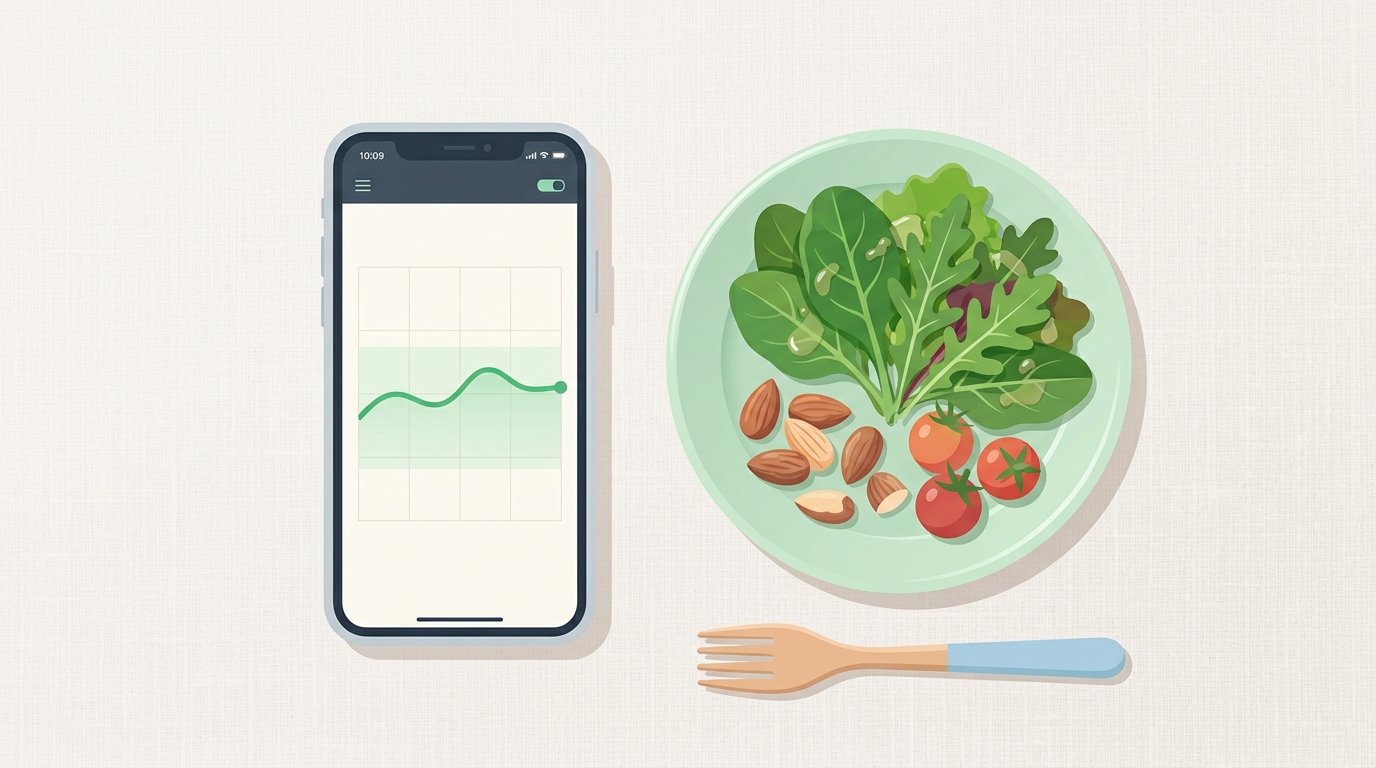
This is where a gestational diabetes CGM shines. A CGM is a tiny, wearable sensor that sits on the back of your arm or abdomen. It continuously measures your glucose levels in the interstitial fluid (the fluid between your cells) and sends real-time data to your smartphone.
Using a CGM during pregnancy offers several life-changing benefits:
- No more constant finger pricks: You can check your glucose levels at any second simply by glancing at your phone.
- Complete visibility: You can see exactly how your blood sugar reacts to specific foods, sleep patterns, and light exercise.
- Trend arrows: Your CGM shows you not just your current number, but also whether your glucose is rising, falling, or staying stable.
- Peace of mind: Built-in alerts can wake you up or notify you if your numbers go too high or too low, allowing you to take immediate action.
Step-by-Step Guide to Managing Gestational Diabetes with a CGM
If you are new to using a continuous glucose monitor, setting up a daily routine will help you get the most out of your device. Here is a simple, step-by-step approach to mastering your glucose levels.
Step 1: Learn Your Pregnancy-Specific Target Ranges
Pregnancy glucose targets are significantly tighter than standard targets for type 1 or type 2 diabetes. Because your growing baby relies on your blood supply, keeping your levels stable is crucial. Generally, the standard targets recommended by major health organizations include:
- Fasting blood sugar: 95 mg/dL or lower
- One hour after a meal: 140 mg/dL or lower
- Two hours after a meal: 120 mg/dL or lower
Please consult your doctor or maternal-fetal medicine specialist to set your personalized targets, as your healthcare team may adjust these numbers based on your unique health profile.
Step 2: Use a Glucose Tracking App to Log Meals
A CGM gives you the "what" (your glucose numbers), but you need to pair it with the "why" (your lifestyle choices). Using glucose tracking apps to log your meals, sleep, and physical activity alongside your CGM data is incredibly powerful.
When you log a meal, you can watch how your body responds over the next two hours. For example, you might discover that oatmeal causes a sudden blood sugar spike of 150 mg/dL, while eggs and whole-wheat toast keep your glucose perfectly stable at 110 mg/dL. This immediate feedback helps you customize your diet without feeling like you are starving yourself.
Step 3: Utilize the Power of Post-Meal Movement
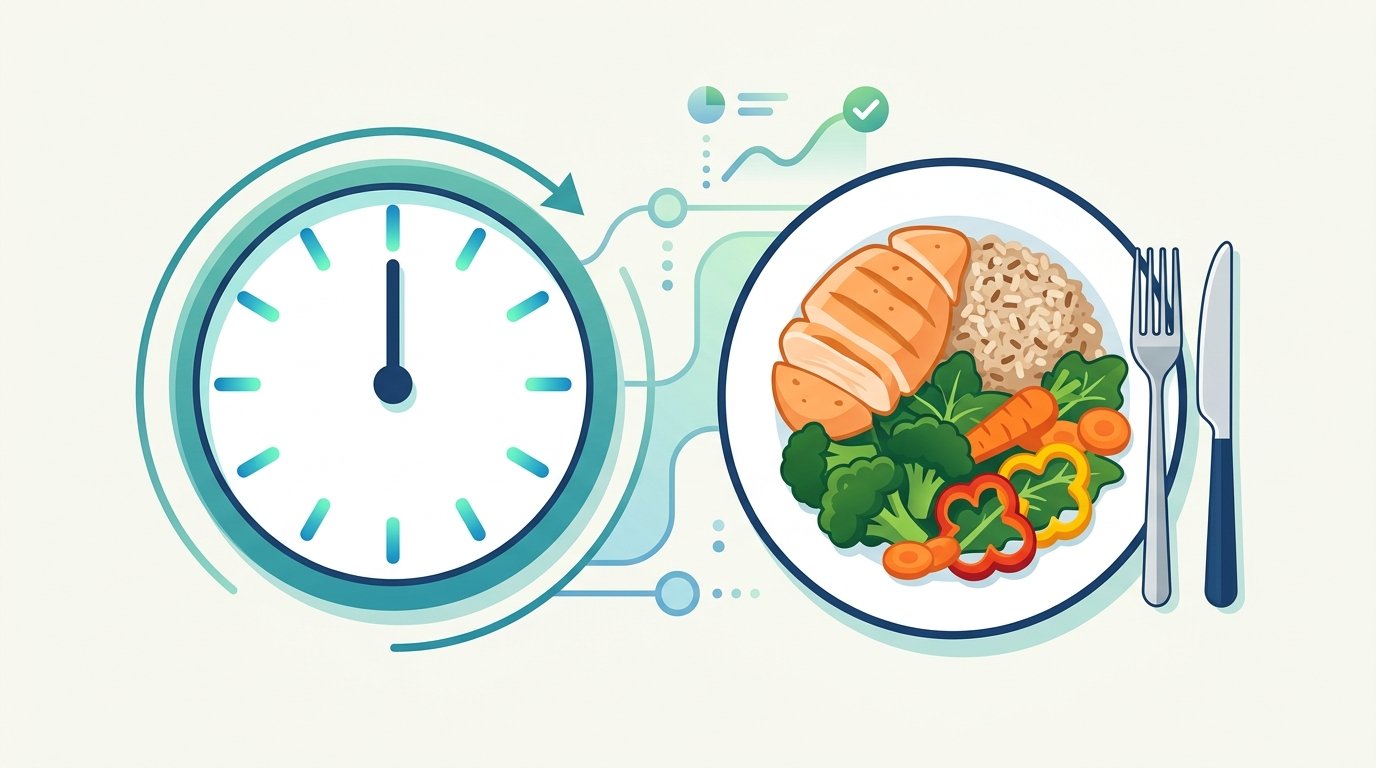
If you glance at your CGM 45 minutes after lunch and notice your glucose is starting to climb rapidly, do not panic. One of the best ways to flatten a blood sugar spike is to engage in light physical activity. A simple 10-minute walk around your neighborhood or some light prenatal yoga encourages your muscles to pull glucose out of your bloodstream for energy, gently lowering your numbers.
Practical Tips for Wearing a CGM During Pregnancy
To ensure your sensor remains comfortable and accurate throughout your pregnancy, keep these practical tips in mind:
- Choose the right placement: Most pregnant women find the back of the upper arm to be the most comfortable and accurate location. Avoid placing the sensor on your abdomen as your skin stretches and changes rapidly during the second and third trimesters.
- Stay well-hydrated: CGMs measure glucose in your interstitial fluid, not your blood. If you are dehydrated, the fluid levels drop, which can cause lag times or inaccurate readings. Drinking plenty of water is essential for both your baby and your sensor's accuracy.
- Watch out for compression lows: If you sleep directly on your sensor, the pressure can temporarily push interstitial fluid away from the area, triggering a false low glucose alarm. Try to sleep on the opposite side of your sensor, or use a pregnancy pillow to keep yourself propped up comfortably.
When to Lean on Your Medical Team
Managing gestational diabetes is a team effort. As your pregnancy progresses, your placenta will grow, and insulin resistance will naturally peak between weeks 28 and 32 of pregnancy. If you notice that meals that used to keep your blood sugar perfectly stable are suddenly causing blood sugar spikes, do not blame yourself. This is a natural hormonal progression, not a personal failure.
Always share your CGM reports with your healthcare provider. If your fasting numbers remain consistently above 95 mg/dL, or if your post-meal numbers are frequently elevated despite dietary adjustments, your doctor may suggest temporary insulin or medication. Remember, using medication to manage gestational diabetes is a safe, effective way to protect your baby and should be viewed as a helpful tool in your care plan.
Summary
Managing gestational diabetes does not have to be a journey filled with anxiety, pain, and guesswork. By utilizing a gestational diabetes CGM, you can gain a clear, real-time window into your metabolic health, allowing you to make empowered choices for you and your growing baby.
Key Takeaways:
- Real-time clarity: CGMs replace painful fingersticks with 24/7 continuous glucose data.
- Tight targets: Pregnancy requires strict glucose ranges, so work closely with your doctor to establish your daily goals.
- Actionable insights: Use your CGM data to identify personal food triggers and use gentle walking to manage post-meal spikes.
- Hormonal shifts: Insulin resistance naturally rises in the late second and third trimesters; keep your medical team updated on your trends.
To make your gestational diabetes journey even smoother, consider using GlucoAI. By integrating your CGM data with GlucoAI, you can receive personalized insights, easily log your meals, track your trends, and generate comprehensive reports to share directly with your doctor at your next prenatal visit. Download GlucoAI today to take the stress out of pregnancy glucose monitoring and focus on what truly matters—preparing to welcome your little one into the world.
GlucoAI — Smart Blood Sugar Monitor
Track, analyze, and optimize your glucose levels with AI-powered insights.