
- Published on
HOMA-IR Guide: Measuring Your Insulin Resistance
Have you ever felt like you are doing everything right—eating well, staying active, and getting enough rest—but still feel constantly fatigued, struggle with stubborn weight, or experience intense sugar cravings? You might be dealing with insulin resistance, a silent metabolic shift that can develop years before it shows up on standard blood tests.
Standard annual physicals often only look at your fasting blood glucose or A1C (average blood sugar level over 3 months). While these markers are incredibly important, they do not always tell the whole story. Your blood sugar levels can look completely normal even if your body is working overtime behind the scenes to keep them that way. That is where HOMA-IR comes in. It is one of the most powerful, accessible, and underutilized tools for catching metabolic changes early, allowing you to take charge of your health before prediabetes or type 2 diabetes develops.
What Is HOMA-IR?
HOMA-IR stands for Homeostatic Model Assessment of Insulin Resistance. It sounds highly technical, but it is actually a simple mathematical calculation that evaluates the relationship between your fasting blood sugar (glucose) and your fasting insulin levels.
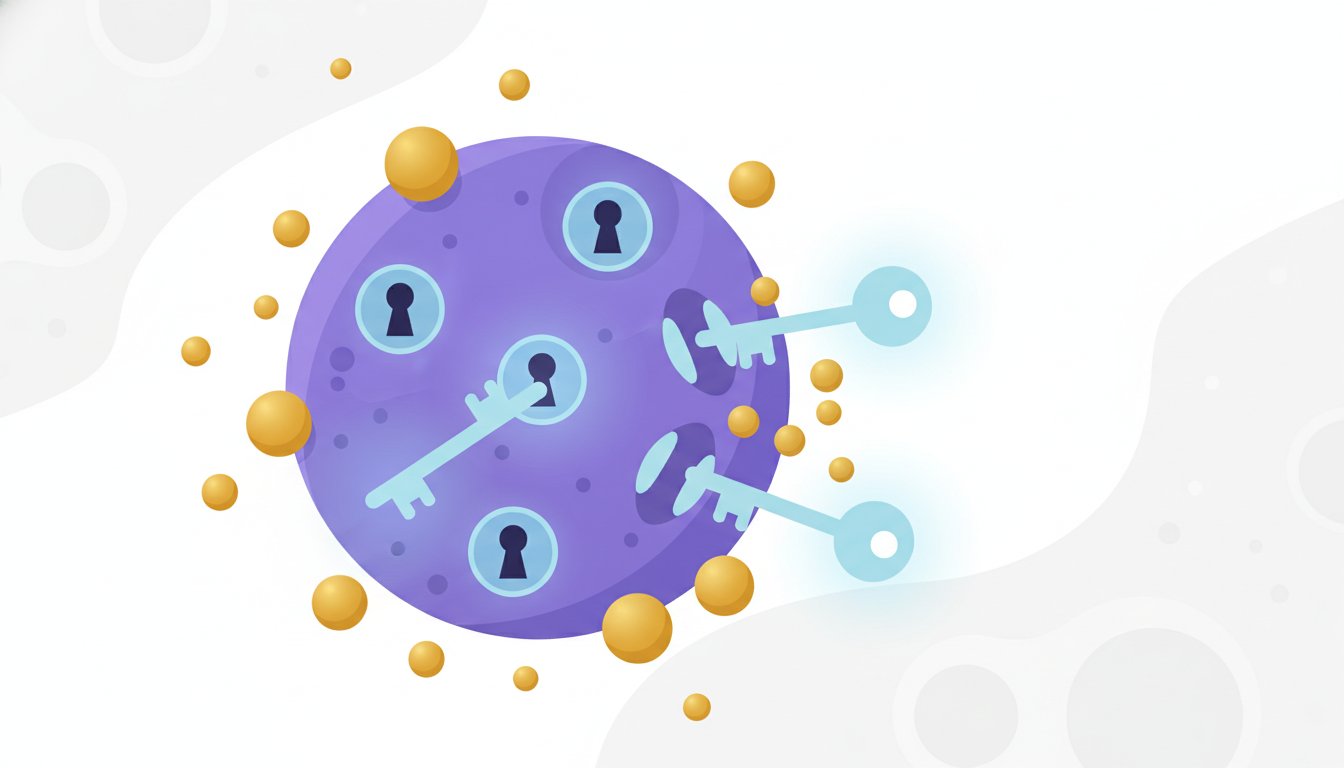
To understand why this relationship matters, think of insulin as a key and your cells as locked doors. When you eat, your blood sugar rises, and your pancreas releases insulin to unlock your cells so they can absorb glucose for energy. If your cells become "resistant" to insulin, the locks get rusty. Your pancreas has to produce more and more insulin (more keys) to force the doors open and keep your blood sugar in a safe range.
Because your pancreas works so hard to compensate, your fasting blood sugar can remain perfectly normal for 10 to 15 years while your insulin levels quietly skyrocket. HOMA-IR looks at both sides of this equation to show you exactly how hard your body is working to maintain balance.
Why Does HOMA-IR Matter for Your Health?
Measuring only fasting glucose to assess your metabolic health is like looking at a speeding car and only checking the speedometer, without realizing the driver has the gas pedal floored just to maintain the speed limit. HOMA-IR looks under the hood to see how hard the engine is running.
By calculating your HOMA-IR score, you gain several unique insights:
- Early warning system: It can detect insulin resistance years before your fasting glucose or A1C rises into the prediabetes range.
- Personalized health tracking: It provides a clear, numerical baseline that you can track over time to see if your dietary and lifestyle changes are working.
- Root-cause clarity: It helps explain symptoms like stubborn abdominal weight, brain fog, constant hunger, and frequent energy crashes.
Please consult your doctor to interpret your lab results, as they can help you understand these numbers in the context of your overall health history.
How Is HOMA-IR Calculated?
To calculate your HOMA-IR score, you only need two simple numbers from a standard fasting blood draw: your fasting insulin level and your fasting glucose level.
There are two versions of the formula, depending on the units of measurement your laboratory uses for blood glucose:
The US Formula (mg/dL)
If your fasting glucose is measured in milligrams per deciliter (mg/dL), use this formula:
The International Formula (mmol/L)
If your fasting glucose is measured in millimoles per liter (mmol/L), use this formula:
Let's look at a quick example. Imagine your fasting glucose is 90 mg/dL (which is considered optimal) and your fasting insulin is 8 IU/mL.
Using the US formula:
In this scenario, your HOMA-IR score is 1.77. But what does that number actually mean for your daily life?
Interpreting Your HOMA-IR Score
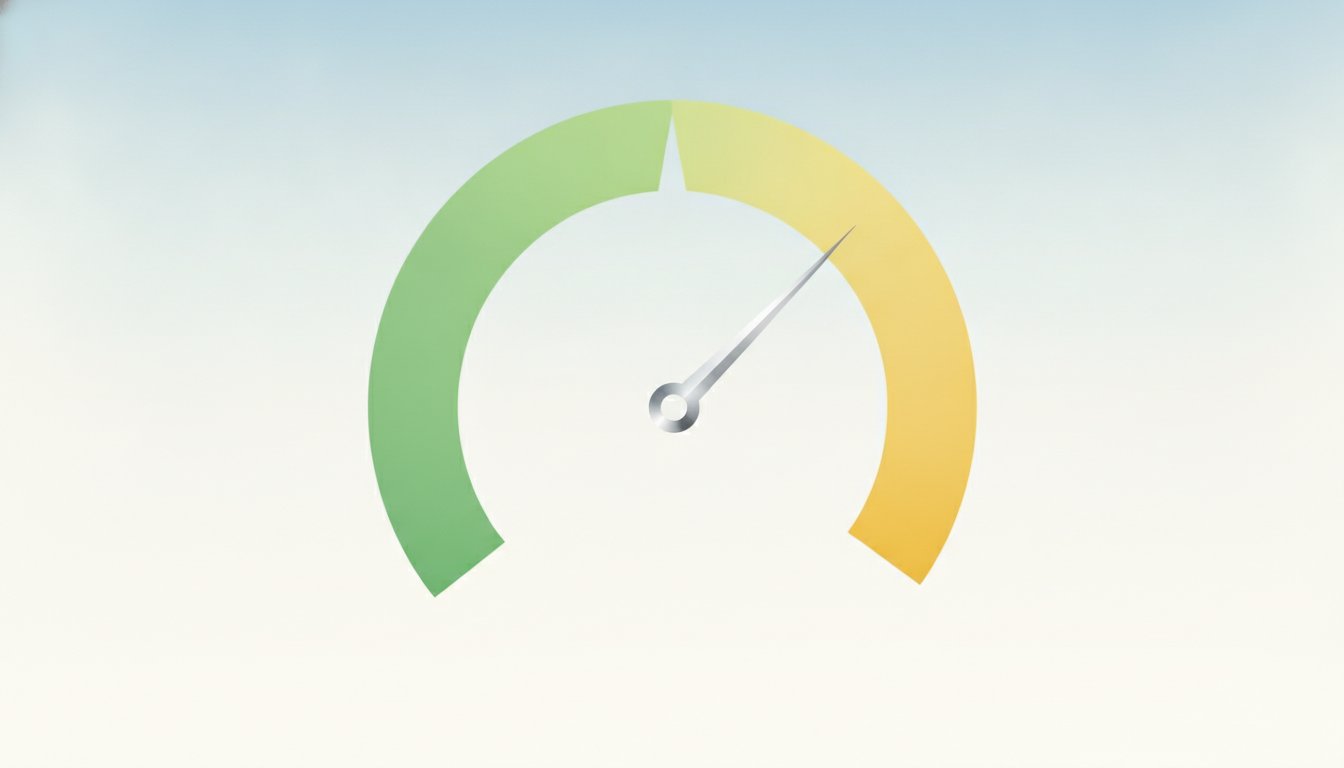
Once you have calculated your score, you can place it into one of three general categories. Keep in mind that optimal ranges can vary slightly depending on individual health goals, but the following thresholds are widely accepted by metabolic health experts:
- Optimal (Under 1.0): A score below 1.0 means you are highly insulin sensitive. Your cells respond beautifully to insulin, and your pancreas only needs to produce a minimal amount to keep your blood sugar stable.
- Early Insulin Resistance (1.0 to 1.9): This range indicates mild or early insulin resistance. Your body is starting to work slightly harder to manage your blood sugar. This is the perfect "window of opportunity" to make lifestyle adjustments and reverse the trend.
- Significant Insulin Resistance (2.0 or higher): A score above 2.0 indicates moderate to severe insulin resistance. Your pancreas is pumping out high levels of insulin to keep blood sugar stable, which may put you at a higher risk for prediabetes, type 2 diabetes, or metabolic syndrome.
How to Get Your HOMA-IR Tested
Getting your HOMA-IR score is simple, but it requires a little bit of proactive planning. Most standard annual physicals include a fasting glucose test, but they do not automatically include a fasting insulin test.
Here is how you can get your score:
- Ask your doctor: At your next appointment, request a "Fasting Insulin" test alongside your standard lipid and glucose panels. Explain that you want to calculate your HOMA-IR score to get a baseline for your metabolic health.
- Use a direct-to-consumer lab: If your insurance or doctor will not cover the test, you can easily order a fasting insulin and fasting glucose test online through reputable direct-to-consumer lab services for a small fee.
- Prepare correctly: Ensure you fast for at least 8 to 12 hours before your blood draw. Avoid strenuous exercise the morning of the test, as intense workouts can temporarily alter your circulating insulin levels.
Actionable Steps to Improve Your HOMA-IR Score
If your HOMA-IR score is higher than you would like it to be, do not discourage yourself. The beautiful thing about insulin resistance is that it is highly responsive to daily habits. By making consistent, small shifts, you can restore your insulin sensitivity and watch your HOMA-IR score drop over time.
1. Optimize Your Food Order
You do not always have to completely eliminate your favorite foods to see improvements. Simply changing the order in which you eat the food on your plate can significantly reduce post-meal glucose and insulin spikes. Try eating your vegetables (fiber) first, followed by your proteins and fats, and saving your carbohydrates and starches for the very end of the meal.
2. Move After Your Meals
When you contract your muscles during physical activity, they can absorb glucose directly from your bloodstream without needing insulin at all. Going for a simple 10 to 15-minute walk within 30 minutes of finishing a meal acts like a metabolic sponge, clearing glucose from your blood and giving your pancreas a much-needed break.
3. Prioritize High-Quality Sleep
Even a single night of poor sleep can temporarily increase insulin resistance the following day. Aim for seven to eight hours of quality sleep per night by keeping your bedroom cool, dark, and free of screens for at least one hour before bedtime.
4. Track Your Daily Patterns
Knowledge is power when it comes to metabolic health. Using a glucose tracking app like GlucoAI can help you see how your daily habits, meals, stress, and sleep patterns directly correlate with your glucose levels. While a continuous glucose monitor (CGM) shows your real-time glucose curves, pairing that data with fasting insulin tests allows you to build a complete, 3D picture of your unique metabolism.
Summary
Understanding your HOMA-IR score is like having a metabolic compass. Instead of waiting for fasting blood sugar or A1C levels to rise, HOMA-IR gives you a real-time look at how efficiently your body is utilizing insulin.
Key Takeaways:
- HOMA-IR measures the relationship between fasting insulin and fasting glucose.
- It acts as an early warning system for insulin resistance, catching metabolic changes up to a decade before standard tests.
- An optimal score is below 1.0, while scores above 2.0 indicate significant insulin resistance.
- You can improve your score through simple daily habits, such as changing your food order, walking after meals, prioritizing sleep, and tracking your metabolic data.
If you are ready to take the next step in your metabolic health journey, start by asking your healthcare provider for a fasting insulin test. By combining your laboratory markers with daily tracking tools like GlucoAI, you can confidently steer your metabolic health in the right direction, one step at a time.
GlucoAI — Smart Blood Sugar Monitor
Track, analyze, and optimize your glucose levels with AI-powered insights.