
- Published on
Insulin Resistance and Hair Loss: The Hidden Link
Have you noticed more hair than usual in your shower drain or hairbrush lately? It is incredibly frustrating to deal with thinning hair, especially when you feel like you are doing everything right. You might have tried expensive biotin gummies, special thickening shampoos, or scalp serums, only to find your hair still losing its volume.
While we often blame stress, aging, or "bad genetics" for thinning locks, the root cause of your hair loss might actually be happening deep inside your cells. Specifically, it could be tied to how your body processes blood sugar. There is a powerful, often overlooked connection between insulin resistance and hair loss, and understanding this metabolic link is the first step toward reclaiming both your metabolic health and your vibrant hair.
What Is Insulin Resistance?
Before we dive into your scalp, let's take a quick look at what is happening inside your body. When you eat, your digestive system breaks down carbohydrates into glucose (sugar), which enters your bloodstream. In response, your pancreas releases insulin, a hormone that acts like a key. This key unlocks your cells, allowing them to absorb glucose and convert it into energy.
However, when you consistently consume more carbohydrates than your body needs, or experience chronic stress and lack of sleep, your cells can become overwhelmed. Over time, they start to ignore insulin's signal. This condition is known as insulin resistance. To compensate, your pancreas pumps out even more insulin to force the glucose into your cells. This leads to chronically high insulin levels (hyperinsulinemia) circulating in your blood, which triggers a cascade of hormonal imbalances.
The Biological Link Between Insulin and Hair Loss
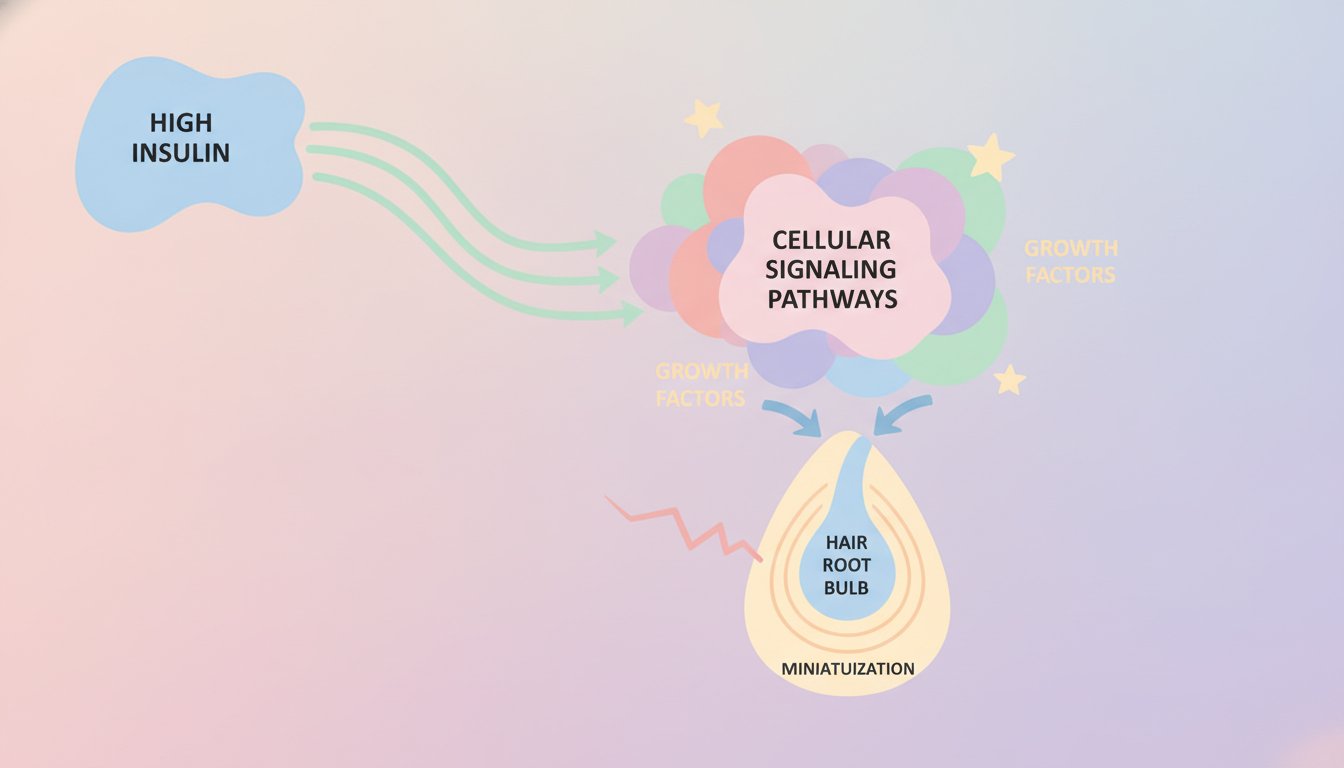
How exactly does a blood sugar hormone affect the hair on your head? The link lies in how excess insulin alters other hormones in your body, particularly androgens (often referred to as "male" hormones, though they are present in both men and women).
When your insulin levels are chronically elevated, it signals your ovaries or testes to produce more androgens, such as testosterone. Excess testosterone is then converted into a highly potent hormone called dihydrotestosterone (DHT) by an enzyme in your hair follicles. DHT is the primary hormone responsible for androgenetic alopecia, commonly known as male or female pattern baldness.
DHT binds to receptors in your scalp's hair follicles, causing them to shrink in a process called follicle miniaturization. As the follicles shrink, the hair growing from them becomes thinner, weaker, and shorter with each growth cycle, eventually stopping growth altogether.
Additionally, insulin resistance causes systemic inflammation and damages your micro-vessels—the tiny blood vessels that supply oxygen and vital nutrients to your hair follicles. Without a rich blood supply, your hair follicles slowly starve, forcing them into a premature resting phase.
PCOS and Female Pattern Hair Loss
For women, the connection between insulin resistance and hair loss is most visible in Polycystic Ovary Syndrome (PCOS). PCOS is a metabolic and hormonal disorder that affects up to 10% of women of childbearing age, and insulin resistance is its primary driver.
In women with PCOS, high insulin levels suppress the liver's production of Sex Hormone-Binding Globulin (SHBG). SHBG acts like a sponge, soaking up excess hormones in your blood. When SHBG levels drop, more free testosterone circulates through your bloodstream, ready to be converted into follicle-shrinking DHT.
This hormonal imbalance often causes a frustrating paradox: women may experience unwanted hair growth on their face and body (hirsutism) while simultaneously watching the hair on their scalp thin out, particularly along the part line. A study published in the National Institutes of Health (NIH) highlights that addressing insulin sensitivity is a cornerstone of managing PCOS-related hair loss and other metabolic symptoms.
Young Men, Male Pattern Baldness, and Metabolic Risk
While male pattern baldness is often dismissed as a natural part of aging, research suggests that early-onset hair loss in young men is a strong warning sign of underlying metabolic issues.
Studies have shown that men who experience significant hair loss before the age of 30 are statistically far more likely to have insulin resistance, high blood pressure, and abnormal cholesterol levels. This metabolic cluster is known as metabolic syndrome. If you are a young man experiencing premature thinning, your hair loss might be your body's early warning system, urging you to pay attention to your metabolic health before more serious conditions, like type 2 diabetes, develop.
5 Actionable Steps to Reverse Insulin Resistance and Save Your Hair
The good news is that insulin resistance is highly reversible. By taking proactive steps to stabilize your blood sugar and improve your insulin sensitivity, you can create a healthy environment for your hair follicles to heal and thrive. Here are five practical steps you can start taking today:
1. Optimize Your Food Order
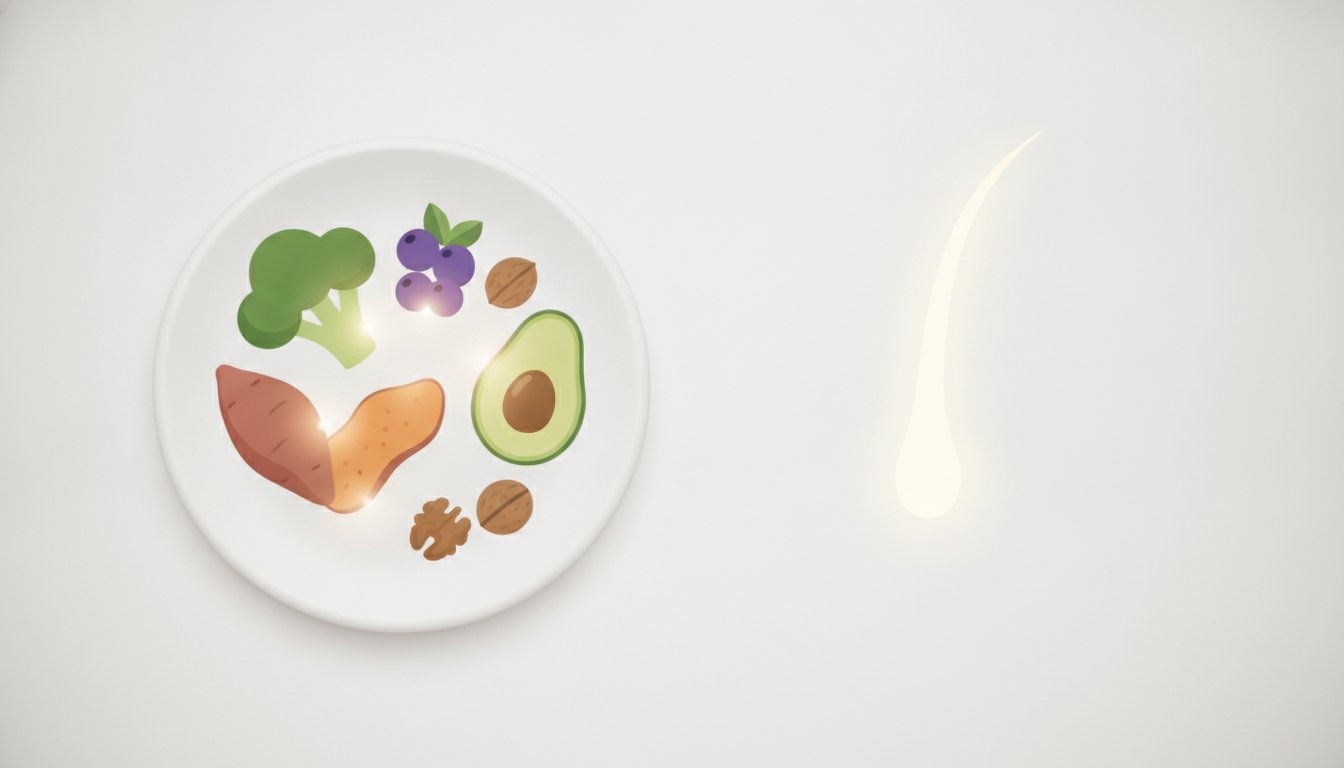
What you eat matters, but how you eat it matters just as much. To prevent sharp glucose spikes that trigger insulin surges, try eating your meals in a specific order: start with non-starchy vegetables (fiber), follow with healthy fats and clean proteins, and save complex carbohydrates for the end of the meal. This simple trick slows down digestion and dampens the glucose response. Additionally, focus on whole, nutrient-dense foods and minimize highly processed sugars and refined grains.
2. Move Your Muscles After Meals
Your muscles are your body's primary sink for glucose. When you exercise, your muscles can absorb glucose directly from your blood without needing insulin. Incorporating a mix of resistance training (to build insulin-sensitive muscle tissue) and a simple 10-minute walk after meals can dramatically lower your post-meal insulin demands.
3. Track Your Glucose to Identify Personal Triggers
Everyone's metabolic response is unique. A bowl of oatmeal might keep your blood sugar stable, while it might send someone else's spiking. Utilizing glucose tracking apps can help you understand exactly how different foods, sleep quality, and stress levels affect your glucose curves. By identifying and eliminating your personal triggers, you can keep your insulin levels in a healthy, low range.
4. Manage Stress and Sleep
When you are chronically stressed or sleep-deprived, your body releases cortisol, a stress hormone that raises blood sugar by releasing stored glucose into your bloodstream. This forces your pancreas to release more insulin, worsening insulin resistance. Aim for seven to eight hours of quality sleep per night, and practice daily stress-relief techniques like deep breathing or walking in nature.
5. Support Your Scalp with Essential Micronutrients
While you work on your metabolic health from the inside out, ensure your hair follicles have the building blocks they need to regenerate. Key nutrients like Vitamin D, magnesium, zinc, and iron play crucial roles in both insulin sensitivity and hair growth. Please consult your doctor to test your nutrient levels and discuss targeted supplementation.
How GlucoAI Can Help You on Your Journey
Reversing insulin resistance requires consistency, but you do not have to navigate this journey alone. Using a smart, supportive tool like GlucoAI can make metabolic tracking incredibly simple and empowering.
GlucoAI acts as your personal health guide, analyzing your daily habits, meals, and glucose patterns. By helping you visualize the direct connection between what you eat and how your blood sugar responds, GlucoAI empowers you to make sustainable, positive changes. Over time, keeping your glucose curves stable will naturally lower your insulin levels, helping to stop hair thinning at its metabolic source.
Summary
Let's summarize the key points to remember on your journey to healthier hair and a balanced metabolism:
- The DHT Connection: High insulin levels stimulate the production of androgens, which convert to DHT and shrink your hair follicles.
- Nutrient Starvation: Insulin resistance damages micro-vessels, restricting the flow of oxygen and nutrients to your scalp.
- PCOS and Early Baldness: Both female pattern hair loss in PCOS and early male pattern baldness are strongly linked to insulin resistance.
- Actionable Solutions: You can reverse this cycle by eating fiber and protein first, walking after meals, managing stress, and tracking your glucose levels.
Your hair is a reflection of your internal health. By shifting your focus from quick-fix external treatments to optimizing your metabolic health, you are not just saving your hair—you are transforming your entire well-being. Take the first step toward metabolic balance today by downloading GlucoAI and starting your journey to stable blood sugar and healthier, thicker hair.
GlucoAI — Smart Blood Sugar Monitor
Track, analyze, and optimize your glucose levels with AI-powered insights.