
- Published on
Glucose Monitoring in Extreme Weather and High Altitudes
Have you ever noticed your blood sugar readings behaving unexpectedly while you’re out on a hike or traveling through a climate very different from your own? Whether you are trekking at a high altitude or dealing with a sudden heatwave, environmental factors can play a surprising role in your metabolic health and the accuracy of your glucose monitoring devices.
Understanding how your body and your technology react to extreme conditions is essential for maintaining stability. When we step outside our normal routine, our bodies face new stressors that can impact glucose levels, and our equipment—such as Continuous Glucose Monitors (CGMs) or blood glucose meters—can be sensitive to the environment. Let’s explore how to keep your numbers steady and your data reliable, no matter where your journey takes you.
How Environment Impacts Your Glucose
The human body is remarkably resilient, but it is also highly sensitive to environmental stress. In extreme cold, for instance, your body may release stored glucose to generate heat, which can lead to unexpected spikes. Conversely, in high heat, your blood vessels dilate, potentially altering how quickly insulin is absorbed and how your glucose levels respond to hydration.
High altitudes present a unique challenge. As oxygen levels drop at higher elevations, the body undergoes physiological changes to cope with the lower pressure. Research from the American Diabetes Association suggests that altitude can influence metabolic rate and insulin sensitivity, often leading to fluctuations that might not occur at sea level. Because these changes are subtle, you might not notice them until you look at your longitudinal data.
The Impact of Extremes on Monitoring Technology
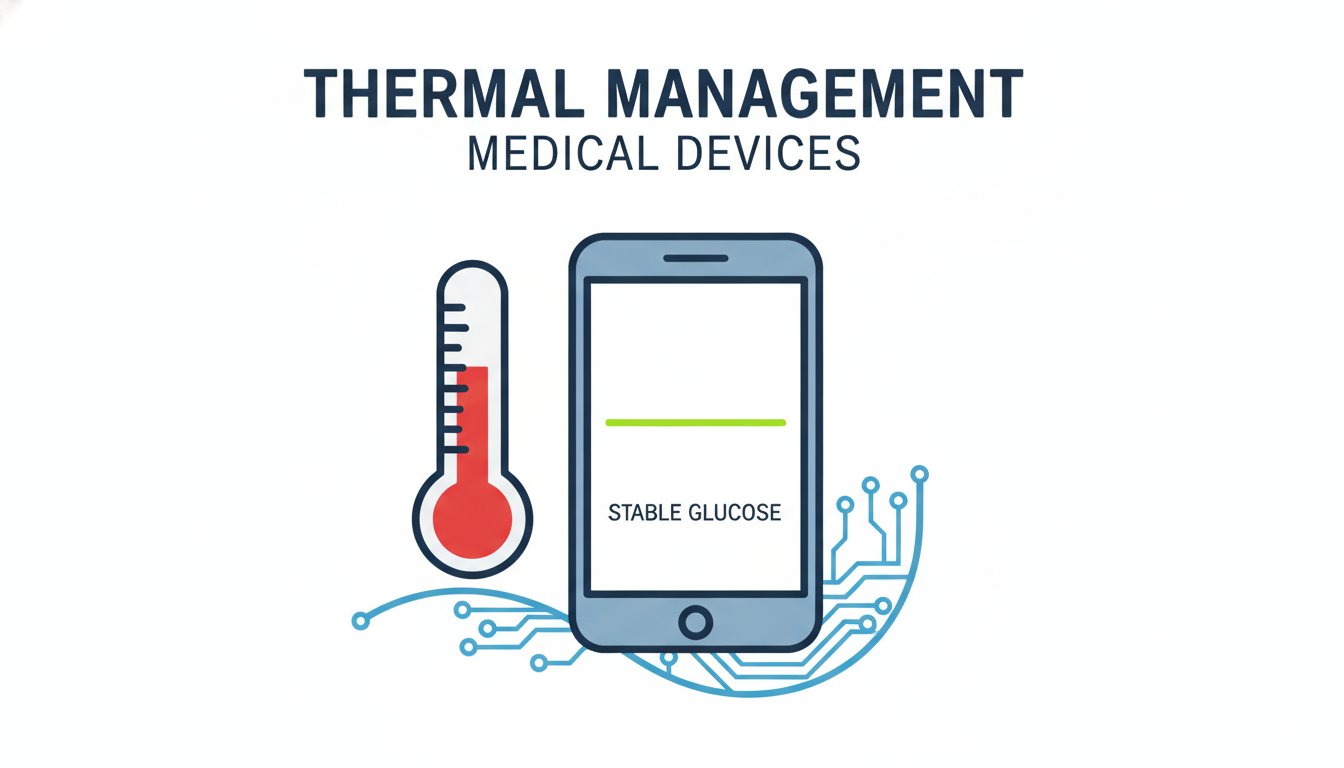
It isn't just your body that reacts to the environment; your glucose monitoring tools have specific operating ranges. Most CGMs and blood glucose meters are designed to function optimally between certain temperature ranges, typically between 50°F and 104°F (10°C to 40°C).
When you expose your device to extreme cold or scorching heat, the chemical sensors or the electronics inside the transmitter can become unreliable. In extreme cold, the fluid in your cells can become sluggish, which might lead to delayed readings. In intense heat, the sensors can sometimes "drift," providing inaccurate data. Additionally, high altitude can affect the air pressure inside some glucose meters, potentially leading to errors in capillary blood samples.
Tips for Protecting Your Gear
- Insulate your devices: In freezing weather, keep your receiver or smartphone close to your body heat. If you use a CGM, ensure the transmitter is covered by layers of clothing.
- Avoid direct sunlight: On hot days, do not leave your glucose meter or test strips in a hot car or in direct sunlight, as high heat can degrade the enzymes in your test strips.
- Check the manual: Always review the manufacturer’s operating temperature guidelines for your specific device.
Strategies for High-Altitude Glucose Management
If you are planning a trip to the mountains, preparation is your best tool. At higher altitudes, the change in air pressure and oxygen availability can trigger a sympathetic nervous system response, sometimes increasing cortisol levels. Since cortisol is a stress hormone, it can cause your blood sugar to rise even if you haven't changed your diet.
Furthermore, physical activity at high altitudes is often more strenuous than it appears on paper. You may burn more energy than usual, which can increase your risk of hypoglycemia (low blood sugar).
Actionable Steps for Mountain Travel
- Monitor more frequently: If you use a CGM, check your trends more often during the first 48 hours of ascent to see how your body is adjusting.
- Stay hydrated: Dehydration at high altitudes is common and can make your blood sugar readings less accurate. Drinking enough water is critical for both physiological stability and sensor performance.
- Adjust your nutrition: Keep quick-acting glucose sources handy. You may find that your body requires more fuel to maintain the same level of activity at 8,000 feet than it does at sea level.

Managing Glucose in Extreme Heat and Humidity
Heat can be just as challenging as altitude, primarily because it affects your hydration levels and insulin absorption rates. When the weather is hot, your blood flow to the skin increases to help you cool down, which may speed up the absorption of insulin injected into the subcutaneous tissue. This can lead to unexpected lows.
Humidity also plays a role. If you use a CGM, high humidity can sometimes affect the adhesive properties of your sensor patch. If the patch starts to peel, the sensor may not sit flush against your skin, leading to "sensor drift" or inaccurate readings.
Best Practices for Hot Weather
- Reinforce your adhesive: If you are in a humid environment, consider using medical-grade adhesive overlays to keep your sensor secure.
- Store insulin properly: If you use insulin, remember that it is highly sensitive to heat. Use a cooling case to keep it at a stable temperature when you are outdoors for extended periods.
- Adjust your activity: Try to schedule your most intense physical activities during the cooler parts of the day, such as early morning or late evening, to avoid heat-induced glucose volatility.
Empowering Your Management with Data
The key to navigating these environmental challenges is consistency. By tracking your glucose alongside your environmental conditions, you can begin to see patterns that are unique to your body. Using a tool like GlucoAI can help you consolidate this information. By logging your activities and observing how your blood sugar responds to different environments, you can make informed adjustments rather than guessing.
When you have a clear picture of how your metabolic health fluctuates in response to altitude or temperature, you move from a state of reaction to a state of proactive management. This confidence allows you to enjoy your travels and outdoor activities without the constant worry of "what if" scenarios regarding your glucose levels.
Summary and Key Takeaways
Managing your glucose in extreme weather or at high altitudes requires a mix of environmental awareness and technical vigilance. Remember these core principles:
- Protect your equipment: Keep your glucose monitoring devices within their recommended temperature ranges by insulating them in the cold and shielding them from direct heat.
- Understand your physiological response: Be aware that both heat and altitude can alter your insulin sensitivity and increase the risk of unexpected spikes or drops.
- Prioritize hydration: Consistent water intake is the most effective way to ensure both your body and your glucose monitoring technology function as intended.
- Log your data: Use tools to keep a record of your readings during travel. Understanding your unique trends is the best way to prepare for future adventures.
Please consult your doctor before making significant changes to your management strategy, especially if you are planning travel to extreme environments. By staying prepared and using the right tools to monitor your progress, you can take control of your metabolic health, no matter where you are in the world. Start by tracking your habits and responses consistently—small, informed adjustments lead to the best long-term results.
GlucoAI — Smart Blood Sugar Monitor
Track, analyze, and optimize your glucose levels with AI-powered insights.