
- Published on
Analyzing Carb Responses with Your CGM
Analyzing Carb Responses with Your CGM
Have you ever wondered why a bowl of oatmeal sends your blood sugar soaring while a serving of berries keeps your levels relatively stable? Even though both are classified as carbohydrates, your body processes them in unique ways. Understanding your personal glucose response to different foods is one of the most empowering steps you can take in managing your metabolic health.
When you use a Continuous Glucose Monitor (CGM), you are no longer guessing how your dinner affected your system. You have access to real-time data that reveals exactly how your body reacts to specific macronutrients. By learning to analyze these "carb responses," you can shift from reactive management to a proactive, personalized nutrition strategy that keeps your energy levels steady and your A1C (the average of your blood sugar levels over 3 months) in check.
The Science of the Glucose Curve
A glucose response is the measurement of how your blood sugar level changes over time after eating a specific food. When you consume carbohydrates, your digestive system breaks them down into glucose, which enters your bloodstream. In a healthy metabolic state, your pancreas releases insulin to help your cells absorb that glucose for energy.
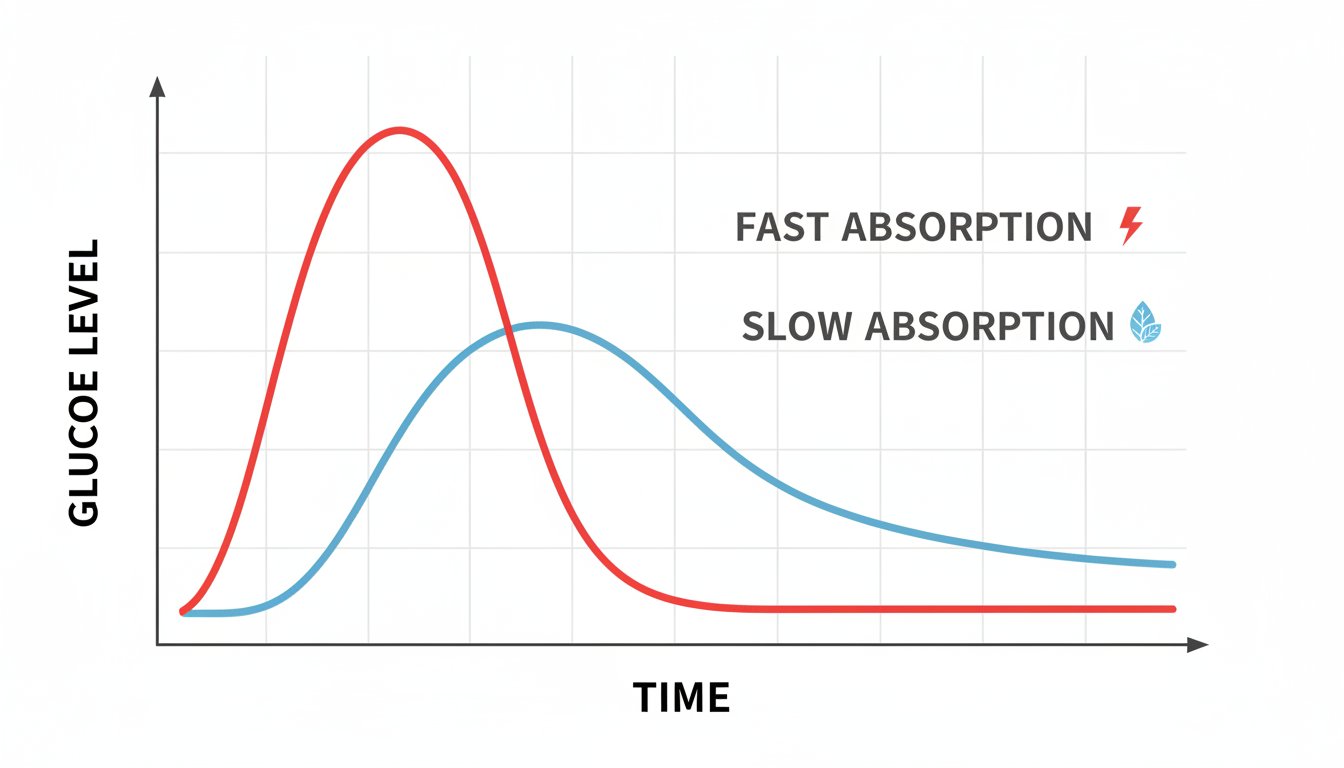
However, not all carbohydrates are created equal. Complex carbohydrates, which are rich in fiber, digest slowly, leading to a gentle, gradual rise in blood glucose. Conversely, refined carbohydrates—like white bread, sugary snacks, or fruit juices—are processed rapidly, often causing a sharp, vertical spike in your CGM readings.
Analyzing these curves is about more than just looking at the peak. It is about observing the "area under the curve"—the total amount of glucose that enters your system and how long it stays elevated. A smaller, narrower curve is generally the goal for long-term metabolic health.
How to Conduct Your Own "Carb Experiments"
You don’t need a laboratory to understand your unique biology. You can perform simple, controlled experiments right in your own kitchen. By isolating variables, you can see exactly which carbohydrates work for you and which ones cause significant volatility.
1. Establish a Baseline
Before you test a specific carbohydrate, try to eat a meal that you know keeps your blood sugar stable, such as a serving of protein and non-starchy vegetables. This helps you identify what your "resting" glucose state looks like before you introduce the variable carb.
2. Isolate the Variable
To truly understand how your body reacts to a specific food, try eating it on its own or with a neutral base. For example, test a half-cup of cooked quinoa without mixing it into a complex casserole. This removes the "noise" of other ingredients that might slow down or speed up digestion.
3. Track Your Timing
Use your CGM to record your glucose levels immediately before eating, 30 minutes after, one hour after, and two hours after your meal. Note the time of day, as your insulin sensitivity—the ability of your cells to respond to insulin—often fluctuates throughout the day, usually being higher in the morning and lower in the evening.
4. Observe the Aftermath
Don’t just look at the spike. Pay attention to how quickly your levels return to your baseline. A healthy response typically sees your glucose returning to near-baseline levels within two to three hours. If your glucose remains elevated for four or more hours, it may indicate that the specific carbohydrate—or the portion size—was too much for your current level of metabolic flexibility.
Factors That Influence Your Response
It is important to remember that a carbohydrate response is never just about the food itself. Your glucose levels are influenced by a complex ecosystem of lifestyle factors. When analyzing your CGM data, consider these variables:
- Order of consumption: Research suggests that eating fiber (vegetables) and protein before carbohydrates can significantly blunt the glucose spike of the meal.
- Activity levels: A brisk 15-minute walk immediately following a meal can drastically change the shape of your glucose curve by helping your muscles pull glucose from the bloodstream without needing extra insulin.
- Sleep and Stress: If you had a poor night’s sleep or are experiencing high levels of stress, your body may be more resistant to insulin, causing a higher-than-normal spike even for a food you usually tolerate well.
- Gut Health: The composition of your microbiome plays a role in how you digest and absorb nutrients. What works for a friend might not work for you, and that is perfectly normal.
Using Data to Build Your Personalized Plate
Once you have gathered enough data, you can start to identify patterns. Perhaps you notice that you handle starchy tubers like sweet potatoes well, but grains cause a sustained elevation. Or maybe you discover that you can handle a larger portion of carbs if you pair them with healthy fats like avocado or nuts.
The goal is not to eliminate all carbohydrates, but to build a diet that provides you with energy while maintaining stability. You can use tools like GlucoAI to log your meals alongside your CGM data. By visualizing the correlation between your intake and your glucose fluctuations, you can refine your grocery list and meal planning with confidence.
Troubleshooting Common Patterns
- The "Double Spike": If you see a spike, a drop, and another spike, you might be eating a meal with a high fat and high refined-carb content. The fat slows down the initial digestion, leading to a later, secondary rise in glucose.
- The "Persistent High": If your levels stay high long after a meal, try increasing your protein or fiber intake at the start of that meal, or look into increasing your daily movement to improve your overall insulin sensitivity.
Summary and Next Steps
Analyzing your carb responses is a journey of discovery. By using your CGM, you are turning your daily meals into data points that tell you exactly what your body needs to thrive. Remember that there is no "perfect" food—there is only the food that works for your unique metabolic profile at this point in time.
Key Takeaways:
- Observe the Curve: Focus on both the height of the spike and the duration of the elevation.
- Control Your Experiments: Isolate specific carbs to understand their individual impact on your blood sugar.
- Context Matters: Always account for exercise, stress, sleep, and meal order when reviewing your data.
- Stay Consistent: Use a digital log to track your meals, which makes it easier to spot long-term trends rather than reacting to a single day’s data.
If you are ready to take your management to the next level, start by logging your meals in GlucoAI. By seeing your food choices side-by-side with your real-time glucose trends, you can stop guessing and start making informed, evidence-based decisions about your nutrition. Please remember that while data is powerful, you should always consult your doctor before making significant changes to your diabetes management or medication routine.
Start small, stay curious, and let your data guide you toward the balance you deserve.
GlucoAI — Smart Blood Sugar Monitor
Track, analyze, and optimize your glucose levels with AI-powered insights.