
- Published on
Posture and Glucose: How Sitting Impacts Your Metabolism
Posture and Glucose: How Sitting Impacts Your Metabolism
Have you ever noticed your blood sugar levels creeping up during a long afternoon at your desk, even if you haven't eaten a heavy meal? It is a frustration many of us know well. While we often focus on the "what" of our diet, we frequently overlook the "how" of our physical state. As it turns out, your posture and the amount of time you spend sitting are not just matters of back health—they are critical components of your metabolic health.
When we remain sedentary for extended periods, our bodies undergo subtle physiological shifts that can impair how we process glucose (blood sugar). Understanding the connection between your chair and your glucose monitor is the first step toward reclaiming your metabolic stability throughout the workday.
The Physiology of the "Sitting Slump"
When you sit for hours, especially with a slouched posture, your body effectively enters a low-energy state. Large muscle groups, particularly those in your legs and core, are designed to be active stabilizers. When these muscles are disengaged, their ability to take up glucose from the bloodstream decreases significantly.
Why inactivity matters
The primary driver of glucose clearance is muscle contraction. When you move, your muscles pull glucose from your blood to use as fuel, which helps keep your levels stable. When you are sedentary, this "glucose sink" is turned off. Furthermore, poor posture—such as rounded shoulders or a hunched spine—can compress the diaphragm and restrict optimal circulation, potentially hindering your body’s natural metabolic processes.
Research suggests that prolonged sedentary behavior is associated with lower insulin sensitivity, meaning your body has to work harder to manage blood sugar effectively. By simply changing how you sit or how often you move, you can signal your body to stay metabolically active.
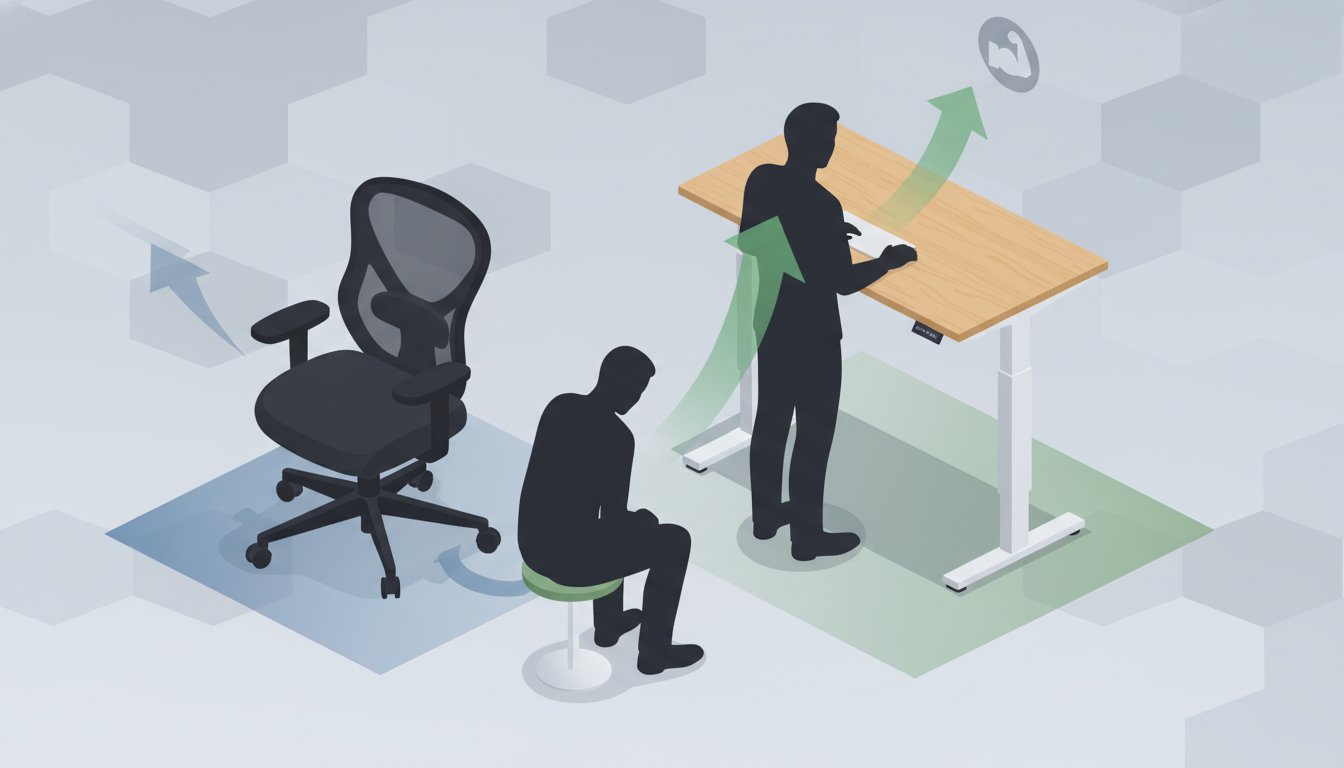
Posture, Breathing, and Glucose Regulation
It might sound surprising that the angle of your spine influences your blood sugar, but the connection is rooted in autonomic nervous system function. Proper posture allows for full, diaphragmatic breathing. When you slouch, you restrict your lung capacity, forcing shallow chest breathing.
Shallow breathing is often linked to a mild stress response, which can trigger the release of cortisol. Cortisol is a hormone that signals the liver to release stored glucose into the bloodstream, a survival mechanism meant to provide quick energy for "fight or flight." In a modern office setting, this unnecessary glucose dump can lead to elevated blood sugar levels without any physical exertion to burn it off.
Simple adjustments for your workspace
- Neutral spine: Keep your ears, shoulders, and hips aligned.
- Feet flat: Ensure your feet are planted firmly on the floor to engage your lower body muscles slightly.
- Eye level: Adjust your monitor so you aren't craning your neck, which helps keep your airway open and encourages deeper breathing.
Breaking the Sedentary Cycle
The solution isn't necessarily to stand all day, but rather to disrupt the "sedentary state." Even small, frequent bursts of movement can significantly improve your metabolic response to meals.
Micro-movements to try
- The "Glucose Break": Every 45 minutes, stand up and walk for just 2 to 3 minutes. This simple act activates the large muscles in your legs, which are the most significant contributors to glucose uptake.
- Seated leg extensions: If you must stay at your desk, try extending your legs straight out one at a time or performing seated calf raises. These movements keep blood flowing and muscles engaged.
- Active stretching: Reach your arms overhead and twist gently to open the thoracic spine. This counteracts the "slump" and helps you return to a more upright, relaxed posture.

Monitoring Your Metabolic Response
Data is your greatest ally when identifying how your specific posture and activity habits affect your blood sugar. Using a continuous glucose monitor (CGM) can provide real-time feedback on how a "sedentary afternoon" compares to an afternoon where you incorporated regular movement breaks.
You might be surprised to see your glucose levels remain flatter after a meal if you engage in a light walk or maintain active posture rather than settling into a deep, slouched sofa session. Tracking these trends in a tool like GlucoAI allows you to see the correlation between your physical habits and your glucose readings. By identifying when your levels tend to spike, you can schedule your "movement breaks" exactly when you need them most.
Results You Can Expect
By prioritizing your posture and reducing sedentary time, you are not just improving your comfort; you are actively optimizing your metabolic health.
- Improved insulin sensitivity: Regular movement helps your cells respond more effectively to insulin.
- Smoother glucose curves: By avoiding long periods of inactivity, you can help prevent the "creeping" glucose spikes that often occur during the workday.
- Enhanced energy: Better oxygenation through improved posture can reduce the mid-afternoon fatigue often mistaken for a "sugar crash."
Please remember that these strategies are supportive tools. If you are managing a condition like type 1 or type 2 diabetes, always consult your doctor before making significant changes to your activity routine or treatment plan.
Summary
Your metabolic health is not just about what you eat; it is about how you exist in your environment. Prolonged sitting and poor posture can dampen your body's ability to regulate blood sugar, while consistent movement and spine alignment can act as a natural regulator.
Key Takeaways:
- Muscle engagement is key: Even small movements keep your "glucose sinks" (your muscles) open and active.
- Posture affects hormones: Proper alignment supports better breathing, which helps keep stress hormones like cortisol in check.
- Track your data: Use glucose tracking apps to observe how your specific habits influence your daily patterns.
Start today by setting a reminder on your phone or computer to stand up and stretch every hour. Small, consistent changes in your movement and posture can lead to significantly more stable glucose levels over time. If you want to dive deeper into your own data, GlucoAI is here to help you bridge the gap between your daily habits and your metabolic goals. Start tracking your movement today and see the difference it makes in your numbers.
GlucoAI — Smart Blood Sugar Monitor
Track, analyze, and optimize your glucose levels with AI-powered insights.