
- Published on
Does Water Temperature Affect Your Glucose Response?
Does Water Temperature Affect Your Glucose Response?
Have you ever reached for a glass of water after a meal, only to wonder if the temperature of your drink might be influencing your blood sugar? We often focus intently on what we eat—the carbohydrates, fats, and proteins—but we rarely consider the physical properties of our hydration habits. As someone who tracks their metabolic health closely, you know that even small variables can lead to noticeable changes in your glucose readings.
Understanding how hydration temperature affects glucose absorption and digestion is more than just a curiosity; it is a practical tool for metabolic optimization. While the primary drivers of your blood sugar levels remain your food choices and physical activity, the thermal state of your stomach contents can influence the speed of gastric emptying—the process by which food leaves your stomach and enters your small intestine.
The Science of Gastric Emptying and Thermal Regulation
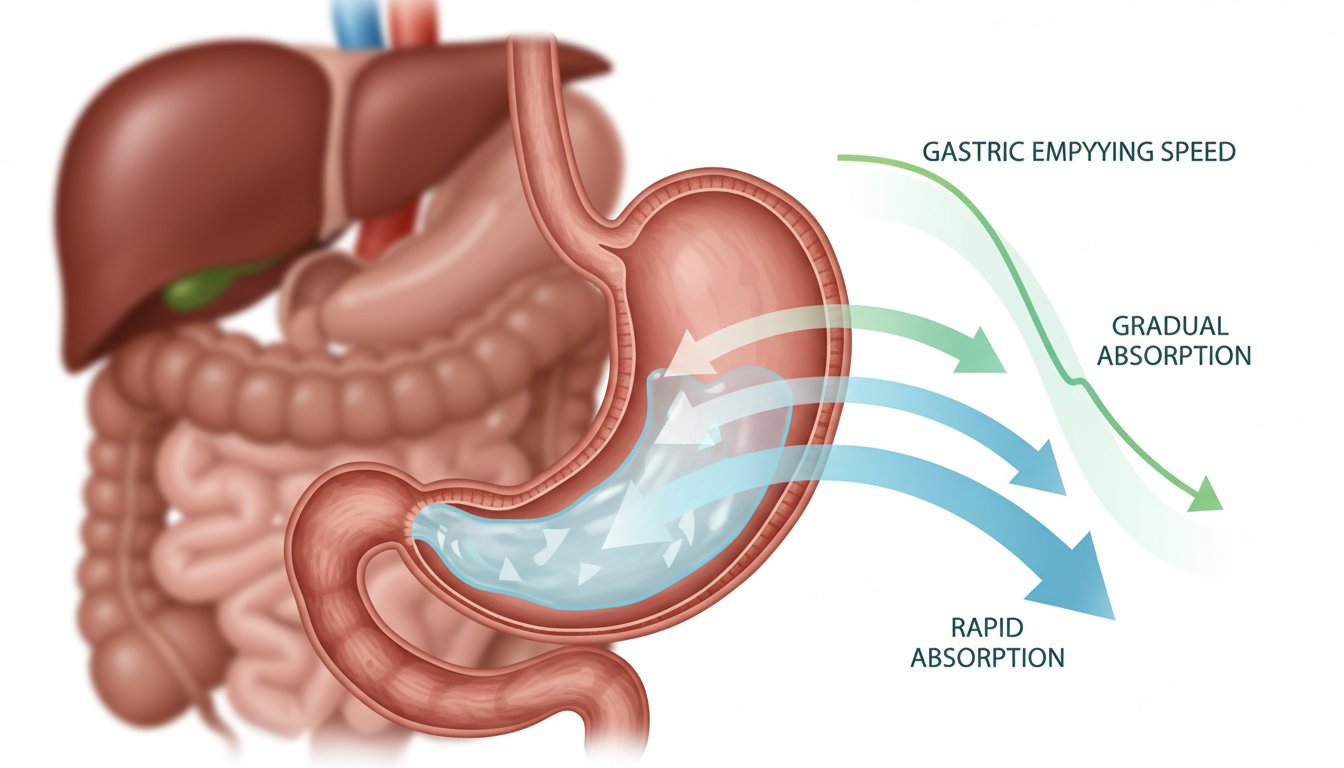
To understand how water temperature interacts with your glucose levels, we first need to look at gastric emptying. This is the mechanism that determines how quickly glucose from your meal enters your bloodstream. If your stomach empties rapidly, you are more likely to see a sharp spike in blood sugar. If it empties slowly and steadily, your glucose response is typically much more stable.
Research suggests that the temperature of liquids consumed with a meal can alter the rate of this process. When you consume very cold water, your body must expend energy to warm that liquid to core body temperature. Some studies indicate that cold liquids may slightly accelerate the transit of contents from the stomach, potentially leading to a faster absorption of nutrients.
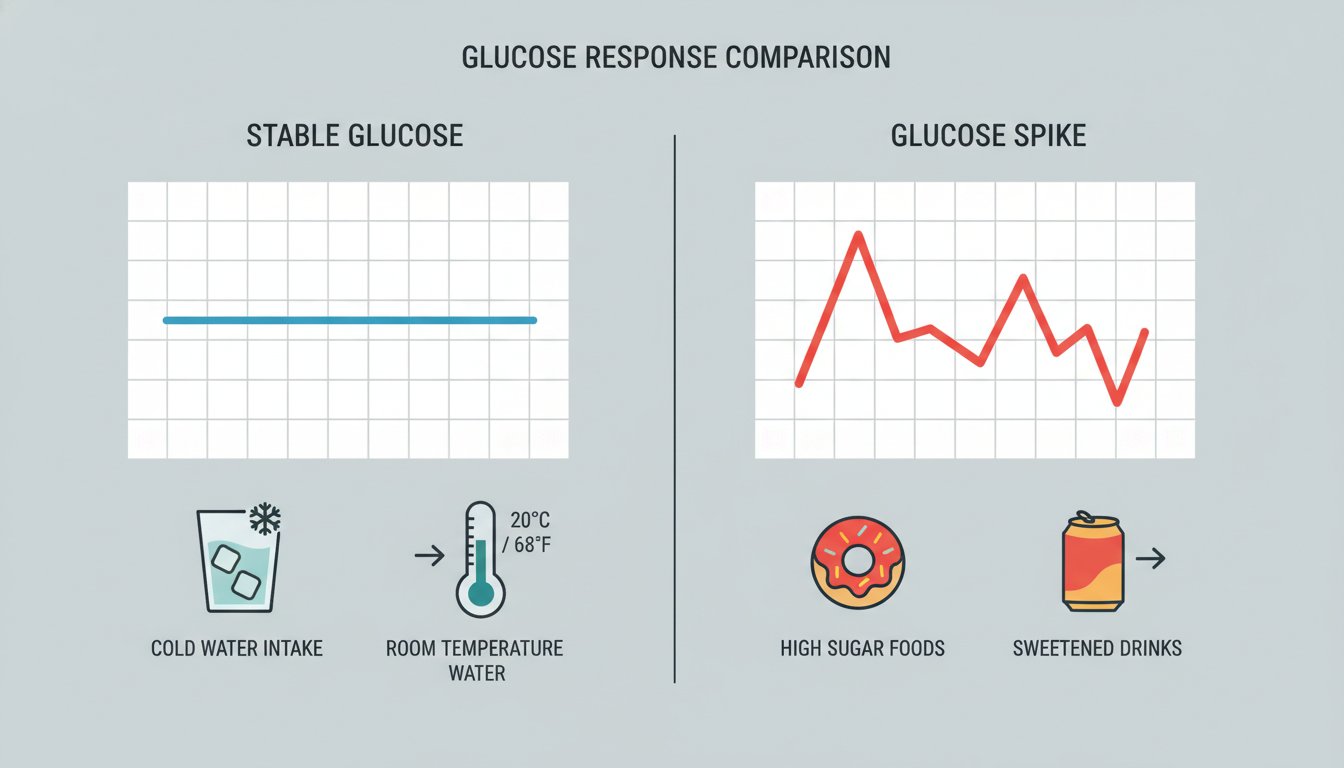
Conversely, warm or room-temperature water is often more "digestively neutral." By matching your internal body temperature, these liquids do not trigger the same thermal response, which may help maintain a more predictable rate of digestion. While the impact might seem small, for someone striving for tight glycemic control, these subtle shifts in digestion speed can be the difference between a smooth glucose curve and a jagged one.
Digestion, Hydration, and Your Metabolism
Beyond the temperature of the water itself, the act of hydration is fundamental to metabolic health. Proper hydration ensures that your blood volume is sufficient and that your kidneys can effectively filter excess glucose, if necessary. When you are dehydrated, your blood becomes more concentrated, which can lead to higher-than-expected glucose readings.
The Role of Enzymes
Digestive enzymes are highly sensitive to their environment. Your body’s enzymes work optimally at your core body temperature. While drinking a glass of ice-cold water won't freeze your stomach, it can theoretically cause a temporary slowing of enzyme activity in the immediate vicinity. This is why some health practitioners suggest sipping room-temperature water rather than gulping down ice-cold beverages, especially if you are prone to post-meal bloating or significant glucose spikes.
The Thermal Effect on Satiety
There is also a psychological and physiological component to temperature. Warm liquids, such as herbal teas or warm water with a squeeze of lemon, can sometimes promote a greater sense of satiety. When you feel fuller, you are less likely to graze on snacks, which is a common trigger for glucose variability. By integrating warm hydration into your routine, you may find it easier to stick to your dietary goals and avoid the "snack-induced" blood sugar spikes that often derail progress.
Practical Tips for Thermal Hydration Management
If you are curious about how water temperature affects your own metabolism, the best way to find out is to test it. Everyone’s body is unique, and what creates stability for one person might have a negligible effect on another.
- The Consistency Test: For three days, try drinking only room-temperature water with your meals. Use your glucose monitoring tools to track your post-meal peak.
- The Cold Comparison: For the following three days, drink ice-cold water with your meals. Keep all other variables—like your food choices, activity level, and timing—as consistent as possible.
- Analyze the Data: Compare your glucose curves. Do you notice a faster rise with cold water? Do you feel more comfortable or less bloated with warmer water?
Using a platform like GlucoAI can make this process much simpler. By logging your hydration habits alongside your glucose data, you can look for patterns over time that might be invisible to the naked eye. The goal is not to obsess over the temperature of every sip, but to identify the habits that lead to the most stable metabolic state for you.
When Hydration Temperature Matters Most
While water temperature is a secondary factor, it becomes more relevant during certain scenarios. If you are struggling with "reactive" blood sugar spikes or if you find that your digestion feels sluggish, paying attention to the thermal state of your drinks can be a helpful, low-effort adjustment.
It is particularly important to avoid very cold, sugary beverages. While we are discussing plain water, many people accidentally consume cold, high-sugar drinks, which double the impact: the sugar causes the spike, and the cold temperature may accelerate its absorption. Always prioritize plain, still water, and if you have a sensitive stomach, lean toward room-temperature options to support steady digestion.
Summary and Key Takeaways
Managing your glucose is a journey of understanding the many small factors that influence your body. While the core of your management strategy should always be a balanced diet and regular movement, your hydration habits play a supporting role.
- Gastric Emptying: The temperature of what you drink may influence how quickly food leaves your stomach. Room-temperature water is generally considered the most neutral option for digestion.
- Enzyme Function: Your digestive enzymes function best at internal body temperatures; extreme temperatures might theoretically impact their efficiency.
- Personal Experimentation: Use your glucose tracking tools to see if you notice a difference in your own blood sugar response when you switch between ice-cold and room-temperature water.
- Consistency is Key: Whatever temperature you choose, the most important factor is consistent hydration throughout the day to support overall metabolic health.
Please consult your doctor before making significant changes to your diet or if you are concerned about persistent blood sugar fluctuations. Monitoring your health is a proactive step toward long-term wellness. If you are looking for a way to better understand your data, consider using GlucoAI to log your hydration and meals. By identifying the habits that work best for your unique physiology, you can take control of your metabolic health with confidence and clarity.
GlucoAI — Smart Blood Sugar Monitor
Track, analyze, and optimize your glucose levels with AI-powered insights.