
- Published on
CGM Longevity: How Water Bottle Materials Affect Skin
CGM Longevity: How Water Bottle Materials Affect Skin
Staying hydrated is one of the most effective ways to support your metabolic health and keep your blood sugar levels stable. When you are well-hydrated, your body can better regulate glucose, and your Continuous Glucose Monitor (CGM) sensor—the small device that tracks your interstitial fluid sugar levels—often functions more reliably. However, have you ever noticed that your skin irritation levels near your sensor vary depending on the environment you are in or the tools you use to maintain your health?
While we often focus on the sensor adhesive itself, the materials you interact with throughout the day—specifically your hydration vessels—can play a surprising role in your overall skin health and the longevity of your CGM. If you have ever struggled with the adhesive failing early or experienced localized redness, the secret might be in your water bottle.
The Science of Hydration and Adhesive Integrity
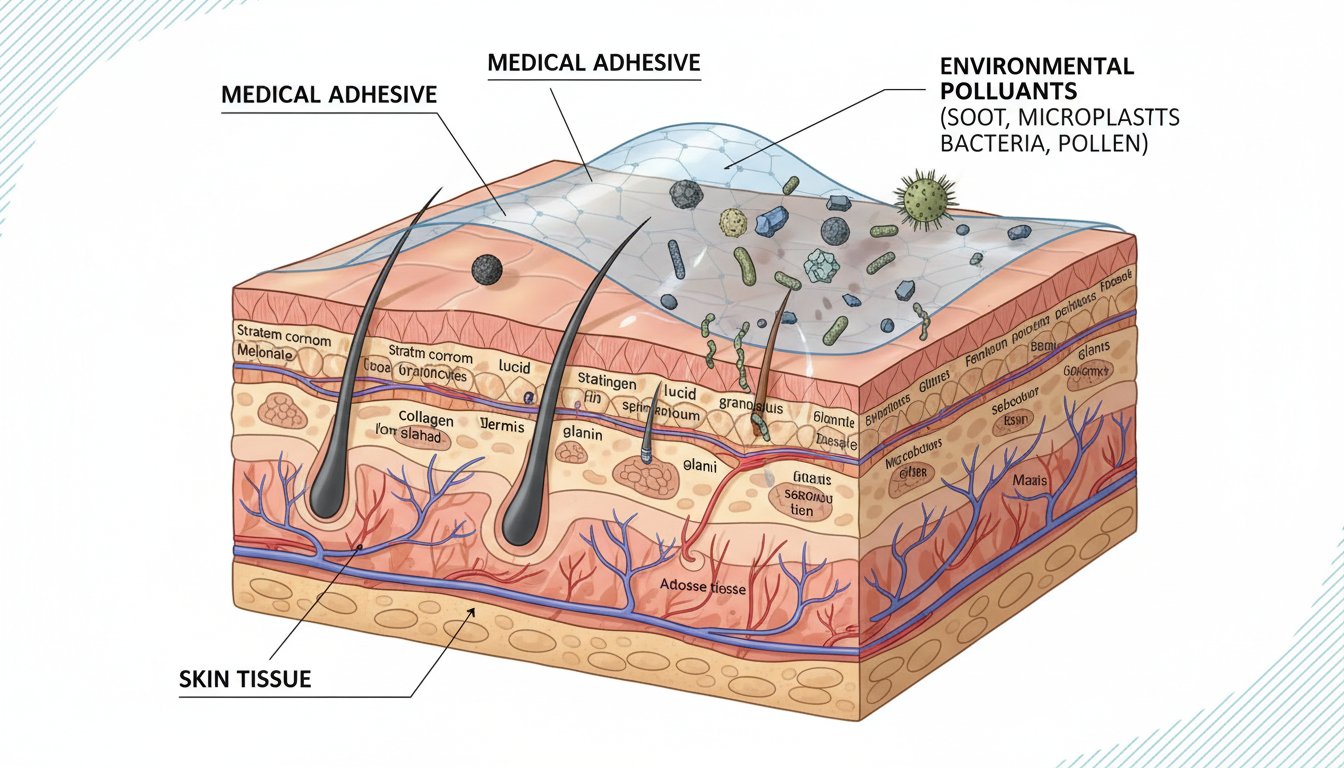
Your skin is the largest organ in your body, and its health is directly linked to your hydration status. When you are dehydrated, your skin loses elasticity and the natural oils that help keep the skin barrier intact. This creates a challenging surface for CGM adhesives. A dry, irritated skin surface is more prone to microscopic tears when you apply or remove a sensor, which can lead to inflammation.
Furthermore, the materials of your water bottle can influence your hydration habits. If you reach for a bottle that feels "off" or has a lingering chemical taste, you might find yourself drinking less water than your body actually needs. When your hydration levels drop, your glucose variability may increase, and the physical bond between your skin and your CGM adhesive can weaken, leading to premature peeling.
Choosing the Right Material for Your Skin Health
Not all water bottles are created equal. The materials used in your daily hydration vessel can impact your skin’s pH balance and your exposure to potential endocrine-disrupting chemicals (EDCs).
Stainless Steel: The Gold Standard
High-quality, food-grade stainless steel is generally the best choice for those wearing a CGM. It is inert, meaning it does not leach chemicals into your water, regardless of the temperature. Because it is non-porous, it does not harbor bacteria that could potentially transfer to your skin during refills. Maintaining a clean, bacteria-free environment is essential for preventing skin infections around your sensor site.
Glass: The Purest Option
Glass is another excellent, inert material. Like stainless steel, it does not react with your water. For individuals with highly sensitive skin or those prone to contact dermatitis, glass provides the lowest risk of triggering a skin reaction. Keeping a clean glass bottle on your desk is a great way to ensure you are drinking enough water to keep your skin supple and your CGM adhesive secure.
Plastics and Linings: Proceed with Caution
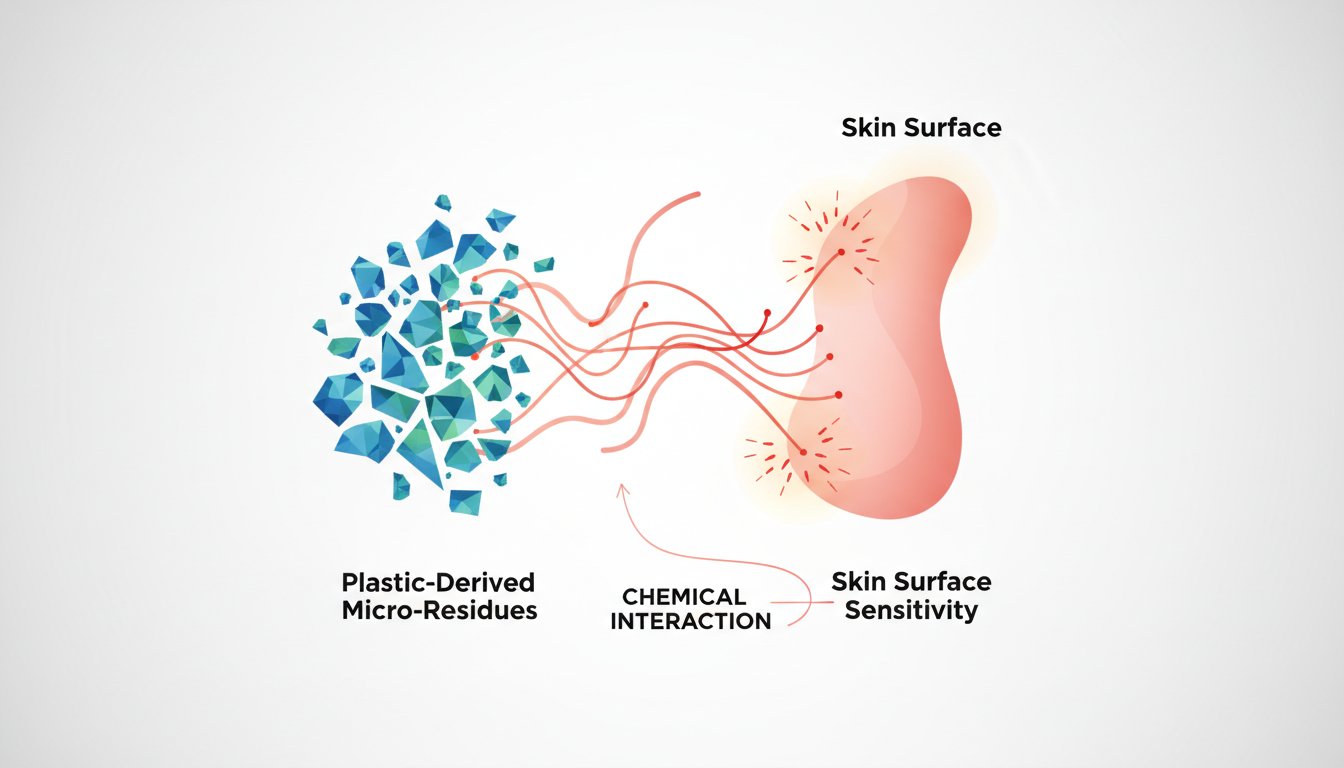
Many reusable plastic bottles contain bisphenol A (BPA) or other chemicals that can leach into your water, especially if the bottle is left in a hot car or the dishwasher. Some studies suggest that certain chemicals commonly found in plastics can act as endocrine disruptors. Because insulin sensitivity is closely tied to your endocrine system, it is worth being mindful of these materials. If your skin is reacting to your environment, consider switching to steel or glass to eliminate potential triggers.
How Your Hydration Habits Affect CGM Longevity
The way you drink matters just as much as what you drink from. If you are constantly touching your water bottle and then touching your sensor site—perhaps to check if it’s still secure—you are increasing the risk of irritation.
Cross-Contamination and Skin Irritation
If your water bottle has been sitting in a gym bag or on a dirty surface, it can harbor bacteria. If you touch the bottle and then touch the skin around your sensor, you might introduce pathogens that lead to folliculitis or localized infection. This is particularly relevant for those who are active and using glucose tracking apps to monitor their performance. Keeping your hands clean and your hydration vessels sanitized is a simple way to prolong the life of your sensor.
Temperature Control and Sweat
Using an insulated bottle keeps your water cold, which encourages consistent sipping throughout the day. When you stay hydrated, your body regulates its core temperature more effectively. This reduces excessive sweating, which is the number one enemy of CGM adhesives. By keeping your skin cool and dry, you ensure that the adhesive stays firmly attached for the full duration of the sensor’s life.
Practical Tips for Protecting Your Skin and Sensor
If you are looking to improve your sensor longevity, start by auditing your daily habits. Here are a few actionable steps:
- Sanitize your gear: Regularly wash your water bottles with hot, soapy water. If you use a straw, ensure you have a dedicated brush to clean inside it.
- Opt for inert materials: Switch to stainless steel or glass to minimize exposure to chemicals that could influence your metabolic health.
- Monitor your intake: Use a tracking tool to ensure you are hitting your hydration goals. Consistent hydration leads to more stable glucose readings, which allows you to better trust the data from your CGM.
- Prepare your skin: Before applying a new sensor, ensure your skin is clean and completely dry. Avoid using lotions or oils in the area, as these can interfere with the adhesive.
Integrating Data for Better Management
Managing diabetes or prediabetes is about more than just checking your numbers. It’s about the environment you create for your body. Using tools like GlucoAI can help you correlate your glucose trends with your lifestyle habits, including your hydration levels. When you notice a dip in your sensor’s performance or an unexpected rise in your blood sugar, look at your habits over the last 24 hours. Were you hydrated? Did you use your clean, stainless steel bottle?
By paying attention to these small, daily choices, you create a more stable, predictable metabolic environment. If you’re struggling to find the connection between your habits and your glucose, our platform can help you identify patterns that lead to better health outcomes.
Conclusion
Your water bottle might seem like a simple accessory, but it plays a multi-faceted role in your health journey. From supporting your skin’s barrier function to protecting your endocrine system from potential disruptors, the material of your hydration vessel matters. By choosing inert materials like glass or stainless steel and maintaining high standards of hygiene, you protect your skin, secure your CGM, and support the stability of your metabolic health.
Remember, small changes lead to significant improvements over time. Stay hydrated, keep your sensor site clean, and use the right tools to monitor your progress. If you are looking for a more comprehensive way to manage your numbers, please consult your doctor about integrating glucose tracking apps into your routine to better understand your unique metabolic needs.
Key Takeaways:
- Hydration is key: Well-hydrated skin provides a better foundation for CGM adhesives, preventing early sensor failure.
- Choose inert materials: Stainless steel and glass are the safest options to avoid chemical leaching and potential skin irritation.
- Hygiene matters: Keep your water bottles clean to prevent the transfer of bacteria to your sensor site.
- Track your trends: Use GlucoAI to connect your lifestyle habits to your glucose data, helping you make informed decisions for your health.
Ready to take control of your metabolic health? Start by tracking your habits consistently and using tools that provide actionable insights. Download the GlucoAI app today to begin your journey toward better glucose stability and improved well-being.
GlucoAI — Smart Blood Sugar Monitor
Track, analyze, and optimize your glucose levels with AI-powered insights.