
- Published on
Electrolytes, Skin Health, and CGM Sensor Accuracy
Electrolytes, Skin Health, and CGM Sensor Accuracy
Have you ever noticed your Continuous Glucose Monitor (CGM) giving you readings that don’t quite match how you feel, or perhaps you’ve struggled with the sensor adhesive staying put? While we often focus on carbohydrates, protein, and fiber when managing blood sugar, one of the most overlooked components of metabolic health is your electrolyte balance.
Maintaining proper hydration isn't just about drinking water; it’s about the balance of minerals like sodium, potassium, and magnesium. These elements play a vital role in everything from skin integrity to the precision of your glucose data. If you are using a CGM to track your metabolic health, understanding the link between electrolytes, skin health, and sensor performance is a game-changer for your daily routine.
The Vital Connection Between Hydration and Skin Health
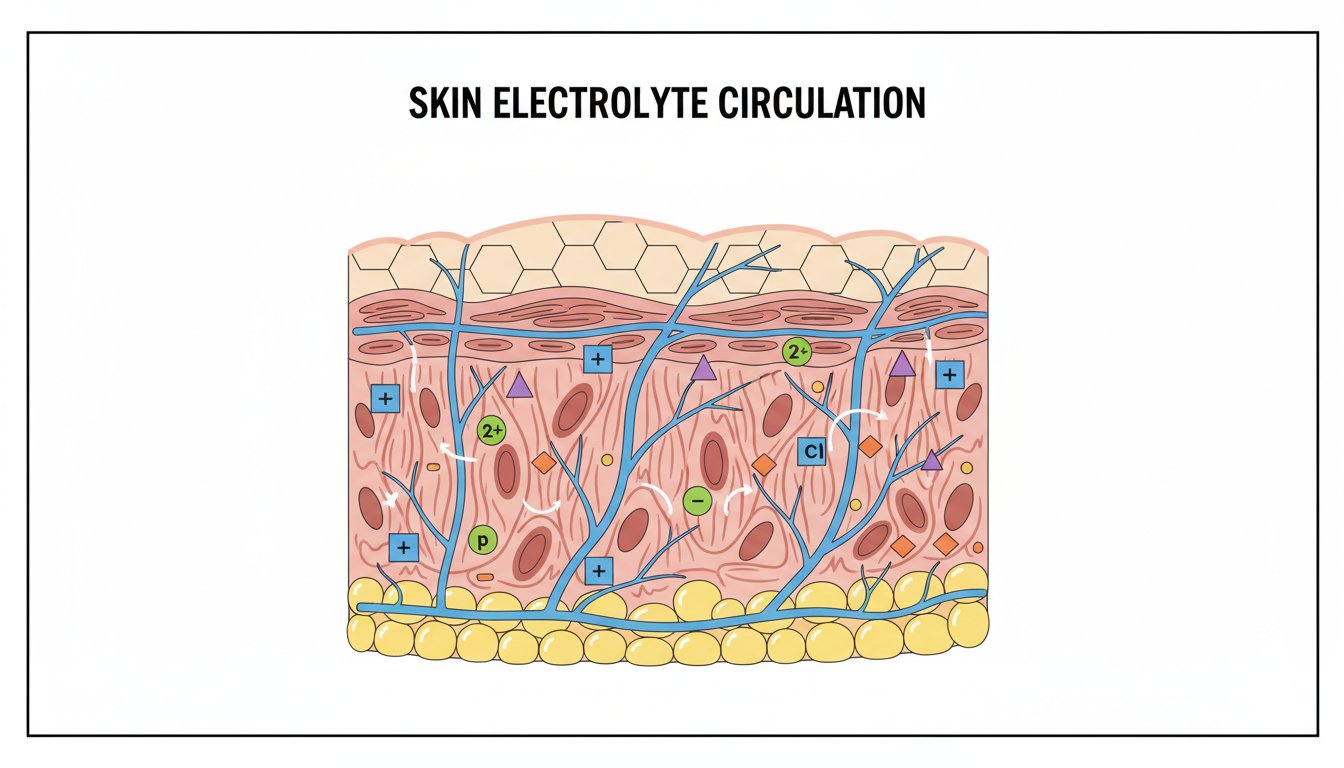
Your skin is your body’s largest organ, and it requires a delicate balance of moisture and minerals to remain healthy and resilient. When you are dehydrated or lacking essential electrolytes, your skin can become dry, flaky, or less elastic. This is particularly relevant for anyone wearing a CGM.
The adhesive used on your sensor requires a stable, healthy skin barrier to maintain a strong bond. If your skin is dehydrated, it may produce less sebum—the natural oil that protects your skin—or it may become irritated more easily. When the skin under your sensor patch is compromised or excessively dry, the adhesive may lose its grip, leading to premature peeling or, worse, skin irritation.
Furthermore, electrolyte imbalances can affect how your skin repairs itself. If you notice redness or sensitivity around your sensor site, it might not just be the adhesive; it could be a sign that your skin barrier needs more support through better hydration and mineral replenishment.
How Electrolytes Influence CGM Sensor Accuracy
While we often think of CGM accuracy in terms of the sensor's internal technology, the environment in which it operates—the interstitial fluid—is heavily influenced by your body’s hydration status. Your CGM measures the glucose concentration in the interstitial fluid, which is the thin layer of fluid surrounding your cells.
The Role of Osmolality
When you are well-hydrated and your electrolyte levels are balanced, the osmolality (the concentration of particles) of your blood and interstitial fluid remains within a healthy range. However, significant dehydration or an electrolyte imbalance can alter the fluid dynamics in your body.
If you are severely dehydrated, the volume of interstitial fluid can decrease, potentially making it harder for the sensor to obtain a consistent, accurate reading. Conversely, if you consume excessive amounts of sugar or salt without enough water to balance them, your body may struggle to maintain homeostasis, leading to "noisy" or fluctuating glucose data that doesn't reflect your actual blood sugar levels.
Preventing Signal Noise
"Signal noise" occurs when the CGM data looks erratic or jumpy. While this can happen for many reasons, including physical movement or compression of the sensor, hydration plays a silent role. Ensuring you are replenishing electrolytes—especially after exercise or in hot weather—can help stabilize your body’s internal environment, leading to smoother, more reliable data trends.
Practical Tips for Balancing Electrolytes
Managing your electrolyte levels doesn't mean you need to chug sugary sports drinks. In fact, many commercial electrolyte drinks are packed with hidden sugars that can cause the very glucose spikes you are trying to monitor. Here is how you can support your health and your sensor accuracy:
- Prioritize Whole-Food Electrolytes: Focus on foods rich in magnesium, potassium, and sodium. Leafy greens, avocados, nuts, seeds, and bananas are excellent sources.
- Opt for Sugar-Free Hydration: If you need an electrolyte supplement, look for options that are free from added sugars. You can also make your own by adding a pinch of sea salt and a squeeze of fresh lemon to your water.
- Monitor Your Trends with GlucoAI: By logging your fluid intake and electrolyte usage in GlucoAI, you can start to see correlations between your hydration habits and your glucose stability. This helps you identify if a "spike" was truly food-related or perhaps a result of dehydration-induced metabolic stress.
- Skin Care at the Sensor Site: Keep the area around your sensor clean and well-moisturized (but let it dry completely before applying the sensor). If your skin is prone to dryness, consider using a skin barrier film to protect the area before applying the adhesive.
Troubleshooting Common Issues
If you find that your sensor is frequently peeling off or providing erratic data, don’t just blame the device. Take a moment to assess your overall wellness.
Issue: The Sensor is Irritating Your Skin
Solution: If you notice redness, it may be a contact dermatitis reaction to the adhesive. Ensure you are cleaning the area with mild soap and water and avoiding harsh alcohol wipes, which can further dry out the skin. If the irritation persists, please consult your doctor or a dermatologist.
Issue: Glucose Readings Seem "Off"
Solution: If you suspect your hydration level is affecting your readings, try to rehydrate with water and a source of electrolytes. Wait 30 to 60 minutes and check your glucose against a finger-prick blood glucose meter. If the gap remains large, contact the manufacturer of your device, as it may be a sensor-specific issue.
Summary
Your CGM is a powerful tool for understanding your health, but it is only as effective as the environment in which it operates. By focusing on your electrolyte balance and skin health, you are not just making your sensor stay on longer—you are optimizing the biological environment that your sensor is tracking.
Consistent hydration and mineral balance lead to more reliable data, which gives you the confidence to make better decisions about your diet and lifestyle. Remember, small habits lead to big improvements over time.
If you are looking to take the guesswork out of your metabolic journey, consider using GlucoAI to track your hydration alongside your glucose levels. By understanding the patterns in your data, you can move toward a more stable and balanced life. Start by tracking your water and electrolyte intake today—your body (and your sensor) will thank you!
Disclaimer: This information is for educational purposes only and does not constitute medical advice. Please consult your doctor or a healthcare professional before making significant changes to your diet, exercise, or diabetes management plan.
GlucoAI — Smart Blood Sugar Monitor
Track, analyze, and optimize your glucose levels with AI-powered insights.