
- Published on
Breastfeeding and Blood Sugar: A Safe Guide
Welcome to the beautiful, exhausting, and utterly rewarding world of postpartum life! If you are nursing while managing diabetes or postpartum glucose patterns, you might have noticed your numbers doing some unexpected gymnastics. Balancing breastfeeding and blood sugar can feel like a high-wire act, but with the right knowledge and tools, you can navigate this transition smoothly and safely.
Breastfeeding is a metabolic marathon. Your body works incredibly hard to produce milk, which dramatically changes how you process energy and utilize insulin. Understanding these shifts is the first step toward staying safe, energized, and present for your little one. Let’s dive into the science of how nursing impacts your metabolism and explore practical strategies to keep your glucose levels stable.
How Breastfeeding Affects Your Blood Sugar
When you breastfeed, your body undergoes rapid hormonal and metabolic changes. Producing breast milk requires a massive amount of energy—often burning an extra 300 to 500 calories per day. This energy demand acts as a natural glucose-lowering mechanism.
To create breast milk, your mammary glands pull glucose directly from your bloodstream to synthesize lactose (the primary sugar found in breast milk). Because your body is constantly diverting glucose to milk production, your circulating blood sugar levels naturally decline.
At the same time, your insulin sensitivity increases. Immediately after you deliver the placenta, the hormones that caused insulin resistance during pregnancy drop off sharply. Prolactin, the hormone responsible for milk production, further enhances your body's sensitivity to insulin.
For women with Type 1 or Type 2 diabetes, this combination of glucose diversion and high insulin sensitivity significantly increases the risk of hypoglycemia (low blood sugar, typically defined as a reading below 70 mg/dL). These drops often happen suddenly, during or immediately after a nursing session.
Practical Steps to Prevent Hypoglycemia While Nursing
Managing the frequent drops in blood sugar requires a proactive approach. By building simple habits into your daily nursing routine, you can prevent sudden lows and keep your energy steady.
1. Create a "Nursing Station" Snack Basket
Never sit down to nurse without quick sources of glucose within arm's reach. Set up a basket next to your favorite nursing chair stocked with:
- Fast-acting carbohydrates for emergencies (such as juice boxes, glucose tablets, or fruit snacks)
- Complex carbohydrates paired with protein for sustained energy (such as whole-grain crackers with peanut butter, or mixed nuts and dried fruit)
- A large, reusable water bottle to stay hydrated
2. Check Your Glucose Before You Latch
Make it a habit to check your blood sugar before you begin feeding your baby. If your glucose is below 100 mg/dL, eat a small, balanced snack containing 15 grams of carbohydrates before you start nursing. This pre-emptive snack helps cushion the metabolic drop that occurs when milk starts flowing.
3. Adjust Your CGM Alerts
If you use a continuous glucose monitor (CGM), consider adjusting your low-alert threshold. Setting your low alert slightly higher—such as at 80 mg/dL or 85 mg/dL—gives you an early warning. This extra time allows you to treat a downward trend before your blood sugar reaches a risky low, especially when your hands are full with a nursing baby.
4. Hydrate Consistently
Dehydration is incredibly common postpartum and can negatively impact both your milk supply and your blood sugar readings. Mild dehydration can cause your blood sugar to appear artificially elevated because the concentration of sugar in your blood rises. Keep water nearby and sip continuously throughout the day.
Postpartum Nutrition for Glucose Stability
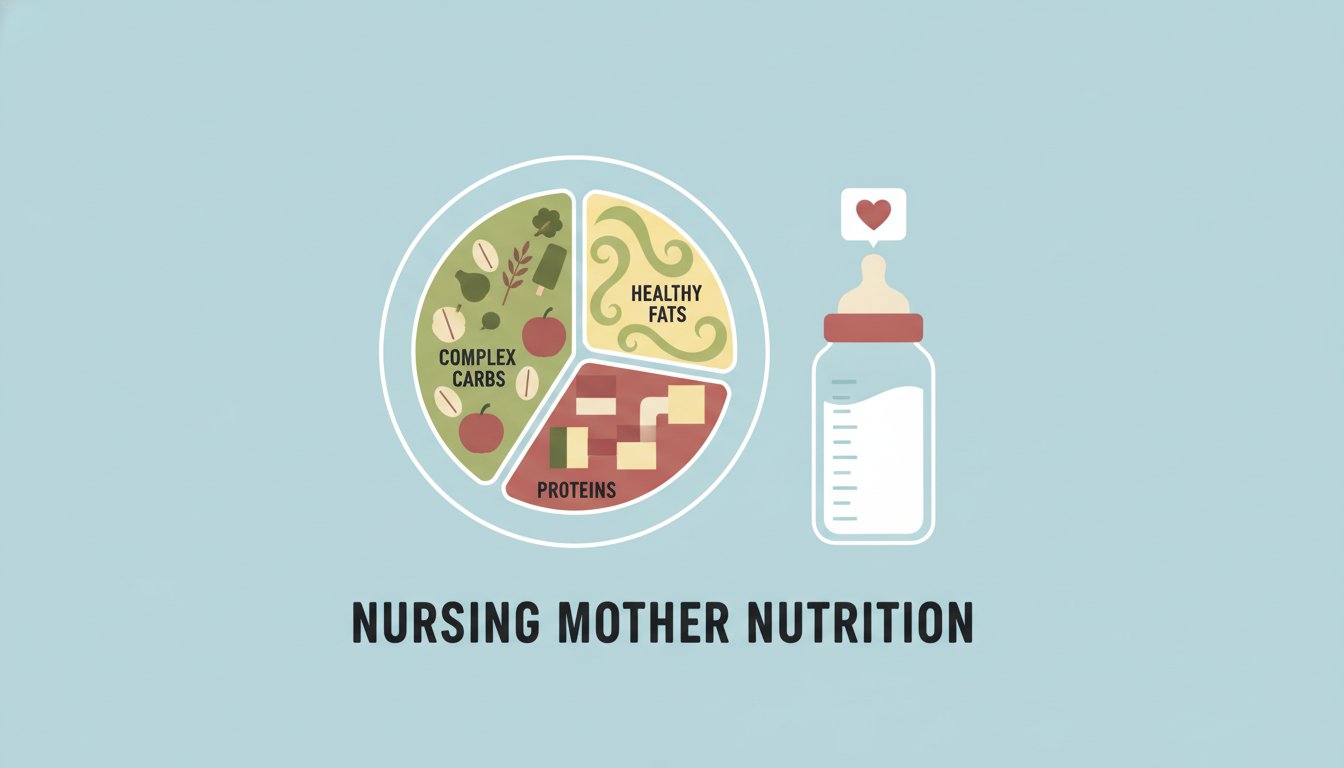
Fueling your body postpartum is not about restriction; it is about nourishment and balance. To maintain stable blood sugar while meeting the energy demands of milk production, focus on nutrient-dense meals.
The golden rule of postpartum glucose management is to never eat carbohydrates alone. Unpaired carbohydrates digest quickly, causing a rapid spike in blood sugar followed by a sharp crash. Instead, always pair your carbohydrates with a source of healthy fat, protein, or dietary fiber. These macronutrients slow down digestion, leading to a gentle, gradual rise in blood sugar and longer-lasting satiety.
Excellent Postpartum Snack Pairings
- Greek yogurt: Top with a handful of raspberries and a sprinkle of chia seeds.
- Apple slices: Pair with two tablespoons of unsweetened almond or peanut butter.
- Cottage cheese: Serve with sliced cucumbers and a drizzle of olive oil.
- Hard-boiled eggs: Pair with a slice of sprouted whole-grain toast.
Please consult your doctor or a registered dietitian to help you design a postpartum meal plan that safely meets your caloric needs while keeping your glucose in target range.
Tracking Patterns and Navigating Postpartum Hormones
The postpartum period is a time of immense hormonal fluctuation. As estrogen, progesterone, and cortisol levels shift, your insulin needs will change day by day.
This variability can feel overwhelming, but modern technology can make it much easier to manage. Using glucose tracking apps allows you to log your meals, insulin doses, sleep quality, and nursing sessions in one central place.
With GlucoAI, you can easily identify patterns in your postpartum glucose data. For instance, you might notice that nursing at 3:00 AM consistently causes a drop, allowing you to plan a small bedtime snack to prevent nighttime lows. Visualizing these trends gives you the insights you need to make confident, proactive decisions about your health.
When to Consult Your Healthcare Team
Your insulin requirements can drop by 30% to 50% immediately after giving birth. Because lactation constantly draws glucose from your blood, you will likely need lower doses of insulin or oral medications than you did before pregnancy.
Please consult your doctor before making any significant changes to your medication or insulin dosages. Your medical team will help you safely titrate your doses as your body adapts to lactation.
Additionally, keep a close eye out for mastitis, which is a painful infection of the breast tissue common among nursing mothers. Physical illness and infections cause your body to release stress hormones like cortisol, which can cause sudden, unexplained high blood sugar levels. If you develop a fever, redness, or painful warmth in your breast, contact your doctor immediately.
Key Takeaways for Safe Postpartum Glucose Management
- Expect lower numbers: Breastfeeding naturally lowers blood sugar and increases insulin sensitivity, raising the risk of hypoglycemia.
- Be prepared: Keep fast-acting carbohydrates and balanced snacks at your nursing station at all times.
- Snack proactively: Eat a small carbohydrate and protein snack if your blood sugar is below 100 mg/dL before nursing.
- Pair your food: Combine carbs with healthy fats, fiber, and protein to prevent sharp spikes and crashes.
- Consult your doctor: Work closely with your healthcare team to adjust your insulin or medication doses postpartum.
Embrace the Journey with Confidence
Managing your health while caring for a newborn is a monumental task, but you do not have to do it alone. By listening to your body, planning ahead with balanced snacks, and utilizing smart tools, you can keep your blood sugar stable and enjoy this precious bonding time with your baby.
Ready to make postpartum glucose tracking simple and stress-free? Download GlucoAI today to easily monitor your patterns, log your meals, and gain personalized insights that support your nursing journey.
GlucoAI — Smart Blood Sugar Monitor
Track, analyze, and optimize your glucose levels with AI-powered insights.