
- Published on
6 Common Type 2 Diabetes Myths Debunked
If you have recently been diagnosed with Type 2 diabetes, or if you are supporting a loved one through their journey, you have probably noticed something overwhelming: everyone has an opinion. From the "miracle" diets suggested by well-meaning neighbors to the frightening headlines scrolling through your social media feed, misinformation about diabetes is everywhere.
The danger of these myths isn't just that they are annoying; it's that they can lead to unnecessary fear, guilt, and even dangerous health choices. When you are managing a condition as complex as Type 2 diabetes, you need clarity, not confusion. Understanding the science behind your metabolic health is the first step toward taking control of your future. Let’s clear the air and look at the facts behind six of the most common—and most dangerous—Type 2 diabetes myths.
Myth 1: You only get Type 2 diabetes if you are overweight
This is perhaps the most persistent and damaging myth in the world of metabolic health. It creates a culture of "blame" that suggests diabetes is solely the result of lifestyle choices. While weight can be a significant risk factor, it is far from the only one.
The truth: Type 2 diabetes is a complex condition driven by a mix of genetics, age, ethnicity, and lifestyle. In fact, according to the American Diabetes Association, many people who are at a "normal" weight or even "thin" are diagnosed with Type 2 diabetes. This is often referred to as "Thin on the Outside, Fat on the Inside" (TOFI), where visceral fat builds up around the internal organs, causing insulin resistance despite a low Body Mass Index (BMI).
Why this myth persists: Because there is a strong statistical correlation between obesity and insulin resistance, society has oversimplified the cause-and-effect relationship.
What you should do: Focus on your unique metabolic data rather than just the number on the scale. Whether you are looking to lose weight or not, tracking how your blood sugar responds to different foods and stressors is essential. Everyone's body processes glucose differently, regardless of their size.
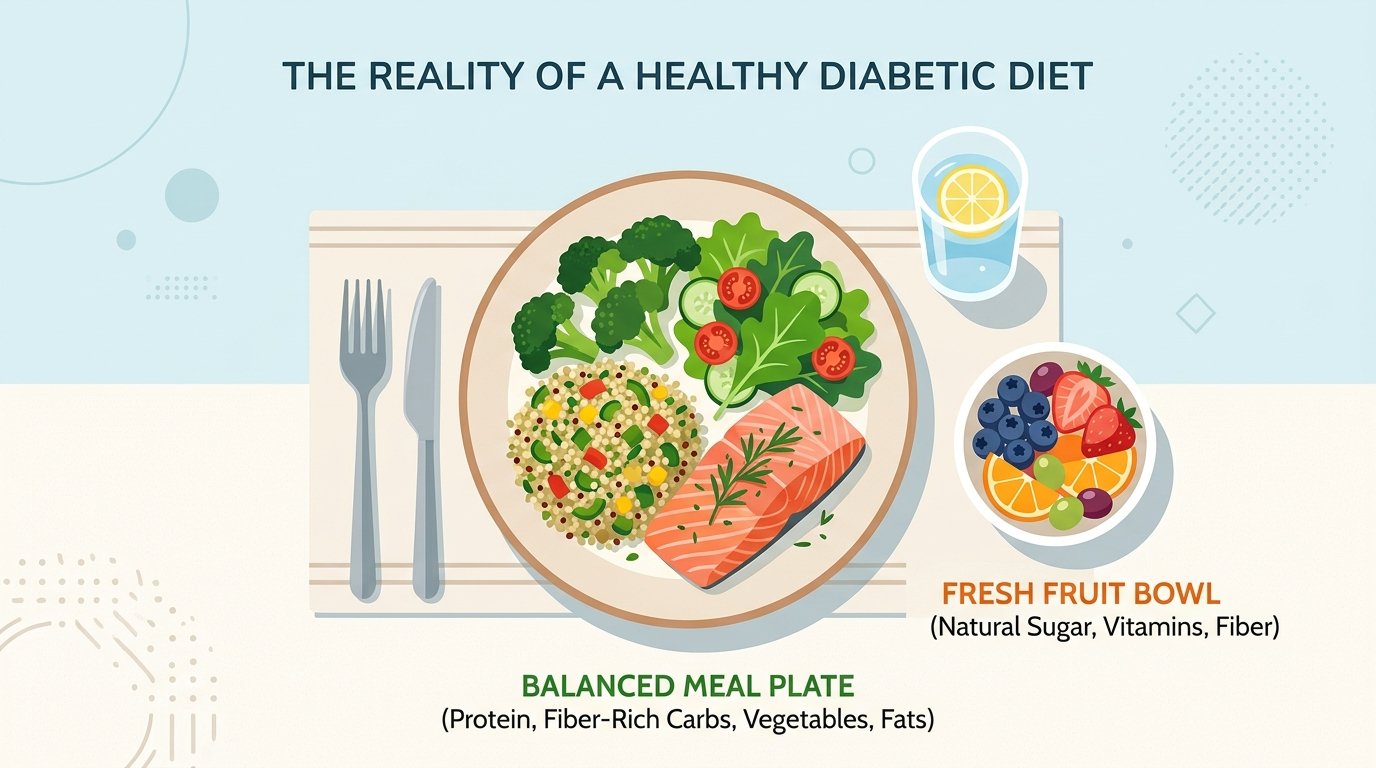
Myth 2: You must stop eating sugar and carbs entirely
When people hear "blood sugar," they immediately think they need to banish every sweet thing from their lives. You might have been told that you can never eat a slice of birthday cake or a bowl of pasta ever again.
The truth: Management is about balance and "carb awareness," not total elimination. Your body actually needs glucose for energy, especially for brain function. The goal is to prevent large glucose spikes, not to live a life of deprivation. It is more about the type of carbohydrate, the portion size, and the timing of the meal. For example, pairing a carbohydrate with protein and healthy fats can significantly slow down glucose absorption.
Why this myth persists: It is easier to tell someone "don't eat that" than it is to teach them how to monitor their post-meal glucose response and make adjustments.
What you should do: Instead of cutting out entire food groups, use a glucose tracking app or a Continuous Glucose Monitor (CGM) to see how your body actually reacts. You might find that while white bread causes a spike, sourdough bread with avocado keeps you perfectly stable. Knowledge is power—once you know your patterns, you can eat with confidence rather than fear.
Myth 3: Needing insulin means you have "failed" at management
Many people view the transition to insulin therapy as a personal failure or a "death sentence" for their lifestyle. They believe that if they had just worked harder, exercised more, or eaten better, they wouldn't need it.
The truth: Type 2 diabetes is often a progressive condition. Over time, the beta cells in the pancreas that produce insulin can become exhausted and simply stop working as efficiently. This isn't because you did something wrong; it’s the biology of the disease. For many, insulin is a life-saving tool that provides the stability their body can no longer provide on its own.
Why this myth persists: For decades, doctors used the threat of insulin to "scare" patients into compliance, which created a deep-seated psychological fear around the medication.
What you should do: Shift your perspective. Insulin is not a punishment; it is a tool for longevity. If your doctor suggests insulin, discuss how it can help you reach your A1C (average blood sugar level over 3 months) goals and reduce your risk of long-term complications. Please consult your doctor before making any changes to your medication regimen.
Myth 4: Fruit is "bad" because it contains too much sugar
It is heartbreaking to see people give up apples, berries, and oranges because they are afraid of the natural sugars found in fruit.
The truth: Fruit contains fructose, but it also comes packed with fiber, vitamins, minerals, and antioxidants. The fiber in whole fruit is the key—it slows down the digestion and absorption of sugar, which usually results in a much lower glucose spike compared to a candy bar or a glass of juice. Most health organizations, including the World Health Organization (WHO), encourage the consumption of whole fruits as part of a healthy diet.
Why this myth persists: In the rush to simplify "low carb" diets, fruit often gets lumped in with processed sweets.
What you should do: Don't be afraid of the produce aisle! Stick to whole fruits rather than juices or dried varieties, which are much more concentrated in sugar. If you are worried about a spike, try eating your fruit as a dessert after a meal containing protein and fiber. This "food ordering" technique can help keep your numbers in range.
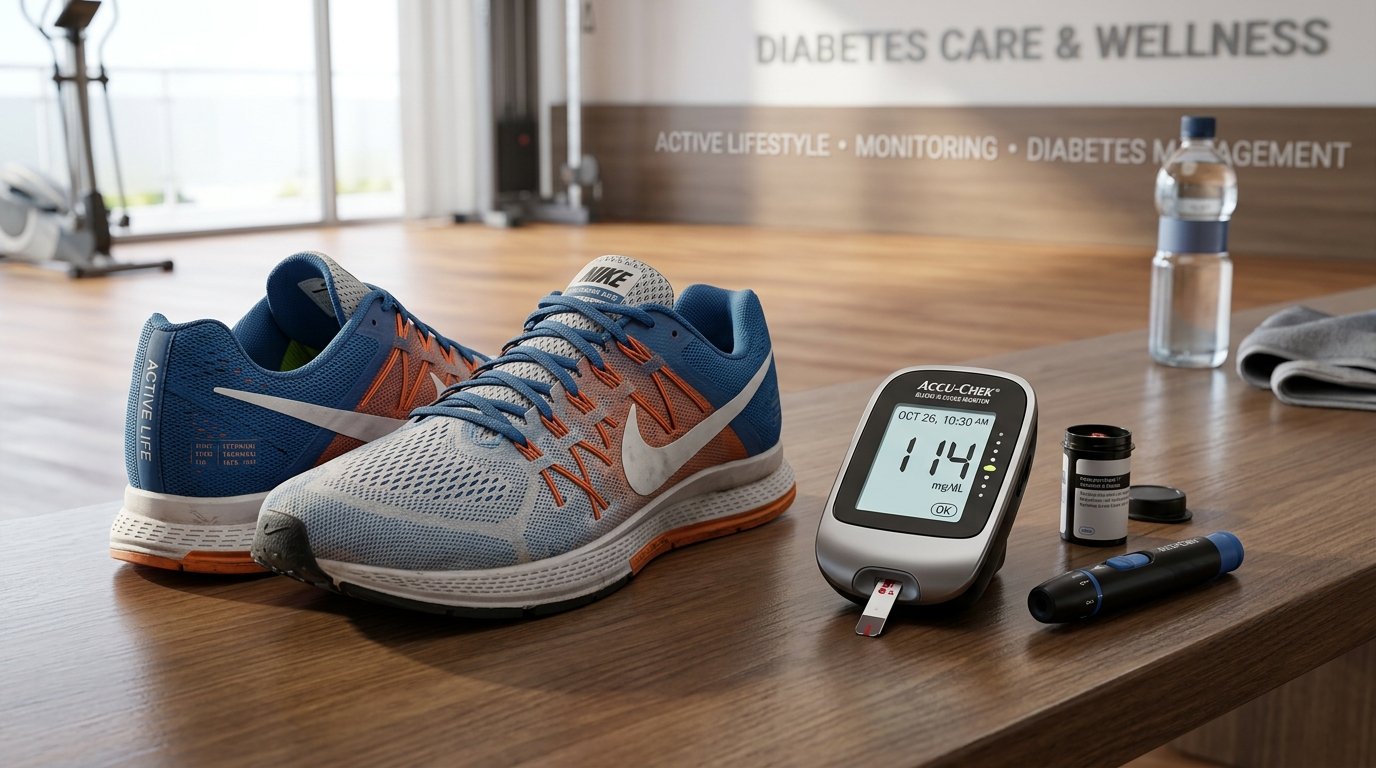
Myth 5: You can "feel" when your blood sugar is high or low
Some people believe they don't need to check their blood sugar regularly because they can "tell" when their levels are off based on their mood, energy, or thirst.
The truth: While some people do experience symptoms like shakiness or extreme thirst, many people become "desensitized" to high blood sugar levels over time. This is often called "asymptomatic" hyperglycemia. You might feel perfectly fine while your blood sugar is sitting at 200 mg/dL, but that elevated glucose is still doing damage to your blood vessels and organs. Conversely, some people feel "low" when their blood sugar is actually in a healthy range simply because their body is used to much higher levels.
Why this myth persists: Humans naturally want to trust their intuition and physical sensations over devices.
What you should do: Trust the data, not just your "gut." Regular monitoring using a glucose meter or a CGM is the only way to know for sure what is happening inside your body. Using a tool like GlucoAI can help you log these numbers and see trends over time, making it easier to spot issues before they become emergencies.
Myth 6: Type 2 diabetes isn't as "serious" as Type 1
Because Type 2 diabetes is so common, some people treat it as a minor inconvenience—a "touch of sugar"—rather than a serious medical condition.
The truth: Type 2 diabetes is a serious, chronic condition that requires lifelong management. If left unmanaged, it can lead to severe complications, including heart disease, kidney failure, vision loss, and nerve damage (neuropathy). The good news is that these complications are largely preventable with proactive management, but that requires taking the diagnosis seriously from day one.
Why this myth persists: Because Type 2 often develops slowly over years, it lacks the "sudden" medical emergency often associated with the onset of Type 1 diabetes.
What you should do: Take a proactive approach. Small, sustainable changes in your daily routine—like a 10-minute walk after dinner or better sleep hygiene—can have a massive impact on your long-term health. Don't wait for symptoms to appear before you start managing your glucose.
Key Takeaways
Managing Type 2 diabetes is as much about managing your mindset as it is about managing your diet. By debunking these myths, you can move away from guilt and toward empowerment.
- Weight isn't the only factor: Genetics and internal health matter more than the scale.
- Balance over restriction: You don't have to quit carbs; you just have to understand them.
- Medication is a tool: Needing insulin is a biological shift, not a personal failure.
- Fruit has a place: Fiber makes natural sugars much safer for your glucose levels.
- Data over feelings: You cannot accurately "feel" your blood sugar levels; you must test them.
- Take it seriously: Proactive management today prevents complications tomorrow.
Summary
The journey with Type 2 diabetes is a marathon, not a sprint. When you stop believing the myths, you open up a world of possibilities for your health. You realize that you aren't "broken" and that you aren't "bad" for eating a piece of fruit or needing medication.
The most important thing you can do is become an expert on your own body. Every person's metabolism is a unique puzzle. By using modern tools like glucose tracking apps and staying informed with evidence-based research, you can live a long, vibrant life.
Ready to take the guesswork out of your health? Start by tracking your daily habits and glucose responses. Tools like GlucoAI can help you organize your data, identify your unique triggers, and provide the insights you need to stay in your target range. You don't have to navigate this alone—let's use data to build a healthier future together.
Medical Disclaimer: This content is for informational purposes only and does not constitute medical advice. Always consult with your healthcare provider before making changes to your diet, exercise, or medication routine.
GlucoAI — Smart Blood Sugar Monitor
Track, analyze, and optimize your glucose levels with AI-powered insights.