
- Published on
Common Medications That Secretly Raise Blood Sugar
Have you ever followed your meal plan to the letter, hit your daily step goal, and managed your stress, only to see a confusing blood sugar spike on your monitor? It is a common and incredibly frustrating experience. You find yourself staring at a reading of 145 mg/dL or higher, wondering where you went wrong. Often, the answer isn't in your kitchen or your gym bag—it is in your medicine cabinet.
While we often focus on carbohydrates and exercise as the primary levers of glucose control, many common medications used to treat unrelated conditions can significantly impact your metabolic health. These "secret" sugar-raisers are often necessary for other aspects of your health, but they can make managing an A1C (average blood sugar level over 3 months) of 7 or lower much more difficult. Understanding which medications affect your numbers is the first step toward regaining control and having more productive conversations with your healthcare provider.
Why Medications Affect Your Blood Sugar
Our bodies are complex chemical engines. When you take a medication for high blood pressure, inflammation, or even a common cold, that drug travels through your bloodstream and interacts with various organs. Some medications tell your liver to release more stored sugar, while others make your cells less "sensitive" to insulin—the hormone responsible for moving sugar out of your blood and into your cells for energy.
When your cells become resistant to insulin, or when your liver overproduces glucose, your blood sugar levels rise. For someone living with type 2 diabetes or prediabetes, this can lead to persistent hyperglycemia. Even if you don't have diabetes, certain medications can push your glucose levels into a range that leaves you feeling fatigued, thirsty, or foggy-headed.
7 Common Medications That May Raise Your Glucose
It is important to remember: Never stop taking a prescribed medication without consulting your doctor. The goal of this guide is to empower you with knowledge so you can work with your medical team to adjust your treatment plan or monitoring habits.
1. Corticosteroids (Steroids)
Corticosteroids like prednisone, hydrocortisone, and dexamethasone are powerful anti-inflammatory tools. They are used to treat everything from asthma and arthritis to severe allergic reactions and skin conditions. However, they are perhaps the most well-known "glucose disruptors."
Steroids mimic the effects of cortisol, the body's stress hormone. They trigger the liver to release extra glucose into the bloodstream and simultaneously make your muscle and fat cells more resistant to insulin. If you are prescribed a dose of prednisone, you might see your blood sugar climb significantly within just a few hours.
2. Beta-Blockers
Beta-blockers, such as metoprolol or atenolol, are frequently prescribed for high blood pressure, heart rhythm issues, and anxiety. While they are vital for cardiovascular health, they can interfere with insulin secretion.
Interestingly, beta-blockers present a dual challenge. Not only can they slightly raise blood sugar levels, but they can also "mask" the symptoms of hypoglycemia (low blood sugar). Normally, when your sugar drops too low, your heart races and you feel shaky. Beta-blockers keep your heart rate steady, which might prevent you from noticing a dangerous drop. This makes consistent tracking with a CGM (continuous glucose monitor) or a glucose tracking app even more essential.
3. Statins
Statins like atorvastatin and simvastatin are the gold standard for lowering cholesterol and preventing heart attacks. Research, including studies published in journals like The Lancet, has shown a small but measurable increase in the risk of developing high blood sugar or type 2 diabetes while taking statins.
The benefit of statins for heart health often outweighs the risk of a slight glucose increase, but it is something you and your doctor should monitor closely. If you start a statin, pay extra attention to your fasting glucose levels over the following 3 to 6 months.
4. Diuretics (Water Pills)
Thiazide diuretics, such as hydrochlorothiazide, are commonly used to treat hypertension by helping the body shed excess salt and water. Unfortunately, they can also cause the body to lose potassium. Potassium plays a critical role in how the pancreas releases insulin. When potassium levels are low, insulin secretion may drop, leading to higher blood sugar levels.
5. Antipsychotic Medications
Medications used to treat mood disorders, such as clozapine, olanzapine, and risperidone, are often associated with metabolic changes. These drugs can cause weight gain and alter the way the body processes fats and sugars. Patients on these medications often require frequent monitoring of their A1C and fasting glucose to ensure their metabolic health remains stable while their mental health is being supported.
6. Over-the-Counter Decongestants
If you have ever reached for a decongestant like Sudafed (pseudoephedrine) to clear a stuffy nose, you might have noticed your glucose levels spiking. Decongestants are stimulants. Much like caffeine or stress, they can trigger a "fight or flight" response in the body, causing the liver to dump glucose into the blood for a quick energy boost. Even "sugar-free" cough syrups can contain active ingredients that raise blood sugar, so it is always wise to check with a pharmacist.
7. Niacin (Vitamin B3)
While it is a vitamin, Niacin is sometimes prescribed in high doses to improve cholesterol levels. At these therapeutic doses, Niacin can increase insulin resistance and cause blood sugar levels to rise. If you are taking over-the-counter supplements that contain high levels of B3, it is worth noting if they coincide with any unexplained glucose trends.
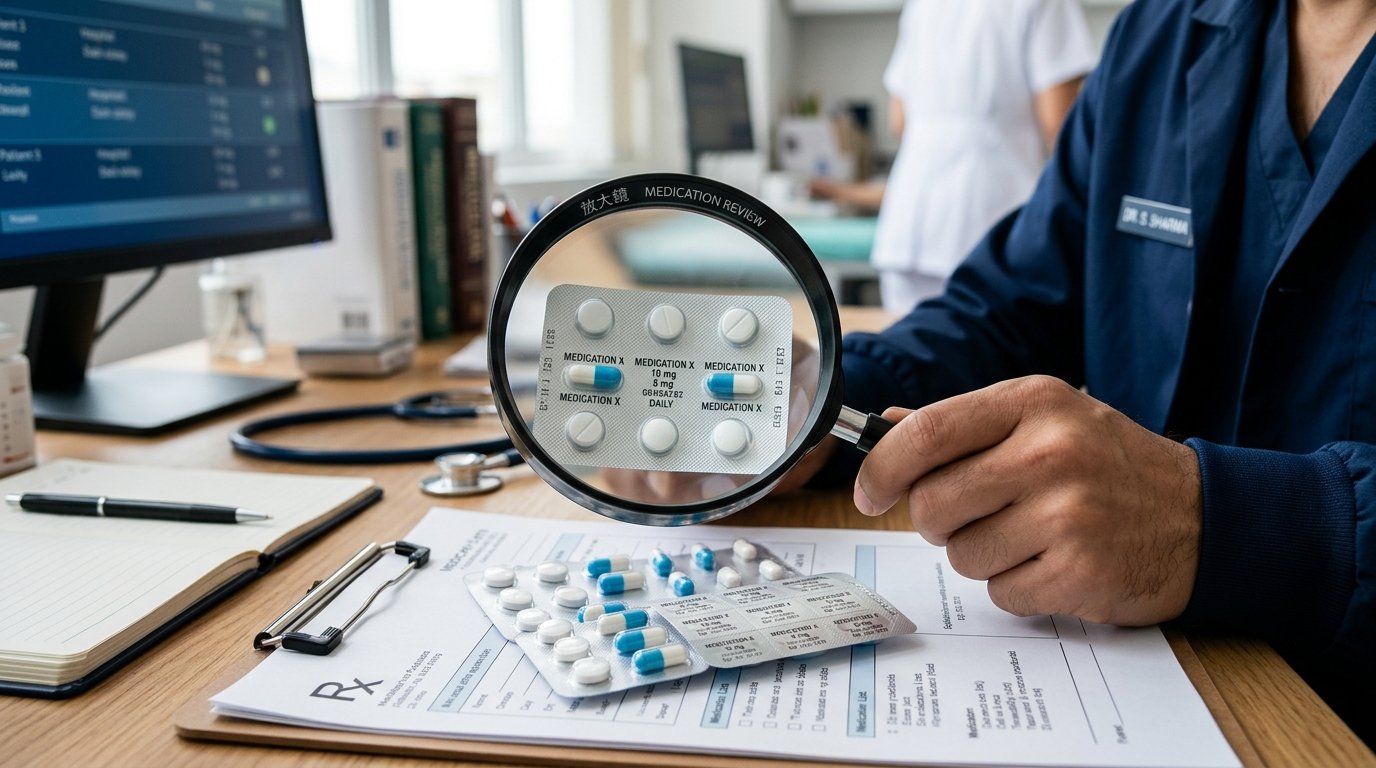
How to Manage Medication-Induced Spikes
Discovering that a necessary medication is affecting your glucose can be discouraging, but it doesn't mean you are powerless. Here is how you can take action:
1. Talk to Your Doctor
This is the most important step. If you notice a correlation between a new medication and higher glucose readings, bring your data to your next appointment. Ask your doctor:
- "Is there an alternative medication that has a neutral effect on blood sugar?"
- "Should we adjust my insulin or oral diabetes medication while I am on this drug?"
- "Are there lifestyle changes I can make to offset this specific side effect?"
2. Increase Your Monitoring Frequency
When starting a new medication, your old patterns might change. Using a CGM provides a real-time view of how a drug affects you throughout the day. If you use a manual blood glucose meter, consider checking your levels more frequently—especially before and after taking the medication—to identify the "peak" effect.
3. Leverage Technology for Pattern Recognition
It can be difficult to remember exactly when you took a pill versus when you ate a meal. This is where a glucose tracking app becomes a game-changer. By logging your medications alongside your glucose readings, you can clearly see the relationship between the two.
Tools like GlucoAI allow you to see these trends visually. When you can show your doctor a graph that clearly shows a spike 2 hours after taking a specific pill, it makes it much easier for them to justify a change in your treatment plan.
4. Focus on the Variables You Can Control
If a medication is non-negotiable and it raises your sugar, you may need to be extra diligent with other lifestyle factors. Increasing your fiber intake, prioritizing post-meal walks, and ensuring you get 7 to 8 hours of quality sleep can help improve insulin sensitivity and counteract the effects of the medication.
Summary: Knowledge is Your Best Medicine
Managing blood sugar is about more than just counting carbs; it is about understanding the total chemical environment of your body. Medications are tools to help us live healthier lives, but they sometimes come with metabolic side effects that require extra attention.
Key Takeaways:
- Identify the Culprits: Steroids, beta-blockers, statins, and decongestants are among the most common medications that raise glucose.
- Don't Guess, Track: Use a glucose tracking app or CGM to see exactly how and when your medications affect your levels.
- Consult Professionals: Always speak with your doctor or pharmacist before making changes to your medication routine.
- Stay Proactive: Use the data you collect to advocate for your health and find a treatment balance that works for your entire body.
If you are tired of "mystery spikes" and want to see the full picture of your health, start logging your medications and glucose levels today. Small insights lead to big improvements in your A1C and overall well-being.
Ready to take the guesswork out of your glucose management? Download GlucoAI to start tracking your medications, meals, and glucose levels in one easy-to-use place. See the patterns, share them with your doctor, and take control of your metabolic health today.
GlucoAI — Smart Blood Sugar Monitor
Track, analyze, and optimize your glucose levels with AI-powered insights.