
- Published on
Waterproofing Your CGM for Swimming
Have you ever stood at the edge of a swimming pool, ready to dive in, only to hesitate because of the small plastic device attached to your arm? If you wear a Continuous Glucose Monitor (CGM), the fear of losing your sensor to the water is incredibly common. Swimming is one of the absolute best exercises for cardiovascular fitness and insulin sensitivity (how effectively your body uses insulin to lower blood sugar), but water and medical adhesives are not always the best of friends.
Fortunately, you do not have to choose between keeping your blood sugar in check and enjoying a refreshing swim. With the right preparation and tools, you can keep your sensor rock-solid through swimming laps, riding ocean waves, or just splashing around with family. Let's dive into the ultimate guide to waterproofing your CGM for swimming.
Why Water is a Challenge for CGMs
While CGM manufacturers design these devices to be water-resistant, "water-resistant" does not mean they are completely immune to the effects of water. Most standard sensors can withstand immersion in water up to a certain depth (usually 8 feet or 2.4 meters) for a limited time (typically 30 minutes). However, a vigorous swim session introduces variables that standard adhesive is not fully equipped to handle.
Chlorine, saltwater, friction from the water, and the natural oils your skin produces when you warm up can quickly break down the medical-grade glue holding your sensor in place. Additionally, the constant movement of your muscles under the skin during swimming can loosen the edges of the adhesive patch. Once water gets underneath the tape, it is only a matter of time before the sensor peels off completely, resulting in an expensive and frustrating loss.
The Pre-Swim Ritual: Preparing Your Skin
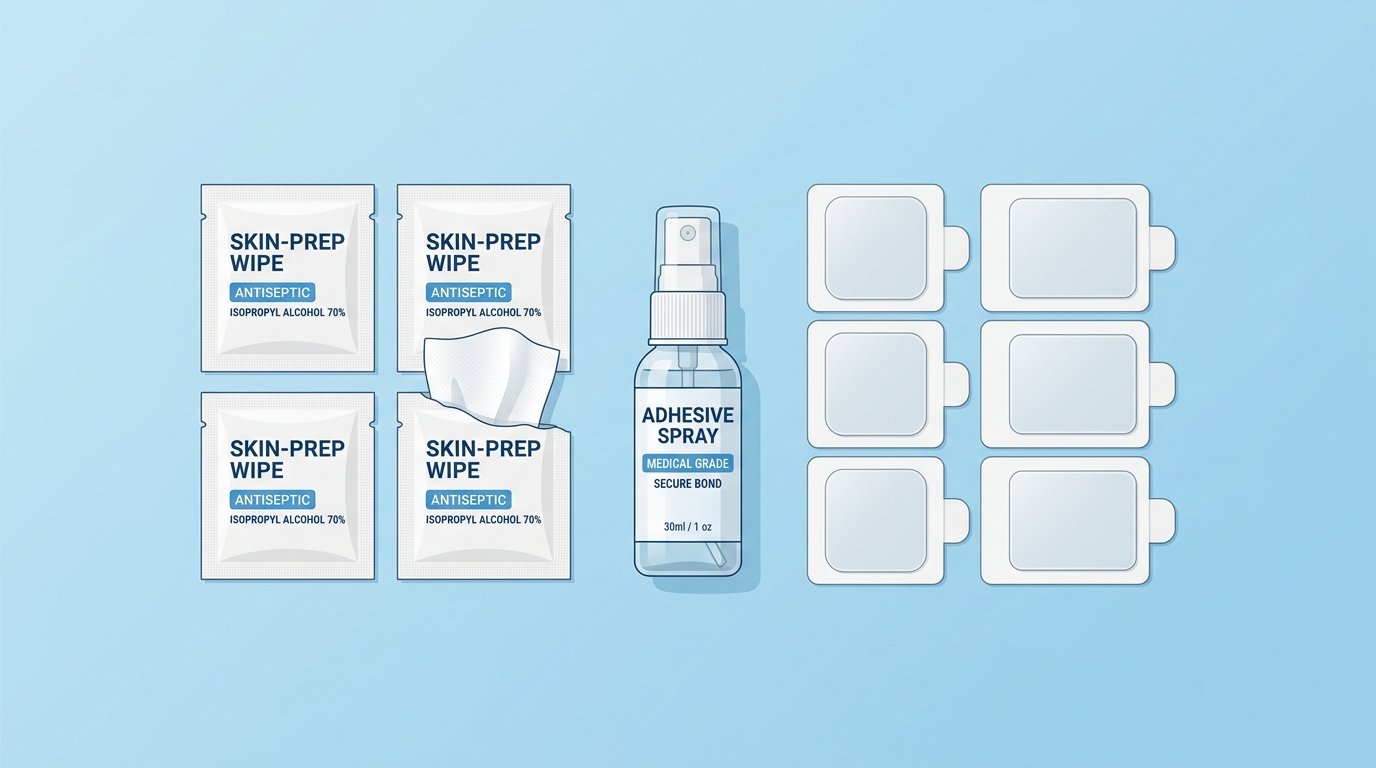
The secret to a waterproof CGM actually starts long before you ever dip your toes into the water. Proper skin preparation is the single most important factor in ensuring your sensor stays attached. If you apply a sensor or an adhesive patch to skin that is oily, damp, or covered in dead skin cells, it will likely peel off mid-swim.
Follow these steps for the ultimate pre-swim skin prep:
- Exfoliate the area: Before applying a new sensor, gently scrub the application site with an exfoliating washcloth or scrub. This removes dead skin cells, creating a smoother, cleaner surface for the adhesive.
- Cleanse thoroughly: Wash the area with a basic soap that does not contain moisturizing oils, scents, or glycerin. These ingredients leave a residue that prevents the adhesive from bonding.
- Use isopropyl alcohol: Wipe the area with an alcohol prep pad and let it air-dry completely. Do not blow on it to dry it, as this can introduce moisture and bacteria.
- Apply a liquid adhesive barrier: If you have oily skin or sweat heavily, apply a liquid adhesive prep wipe to the skin. Let it dry until it feels tacky before inserting your CGM sensor.
The Waterproofing Toolkit: Must-Have Gear
If you plan to spend more than 30 minutes in the water, or if you are a frequent swimmer, relying solely on the built-in adhesive of your CGM is risky. You need to build a waterproofing toolkit to give your device an extra layer of defense.
1. Waterproof Adhesive Overpatches
These are specially designed medical-grade adhesive patches that fit over your CGM. They feature a non-stick center that covers the sensor itself, surrounded by a wide, highly sticky border that seals the entire device against your skin. Look for patches made of hypoallergenic, breathable, and water-resistant materials.
2. Protective Armbands and Sleeves
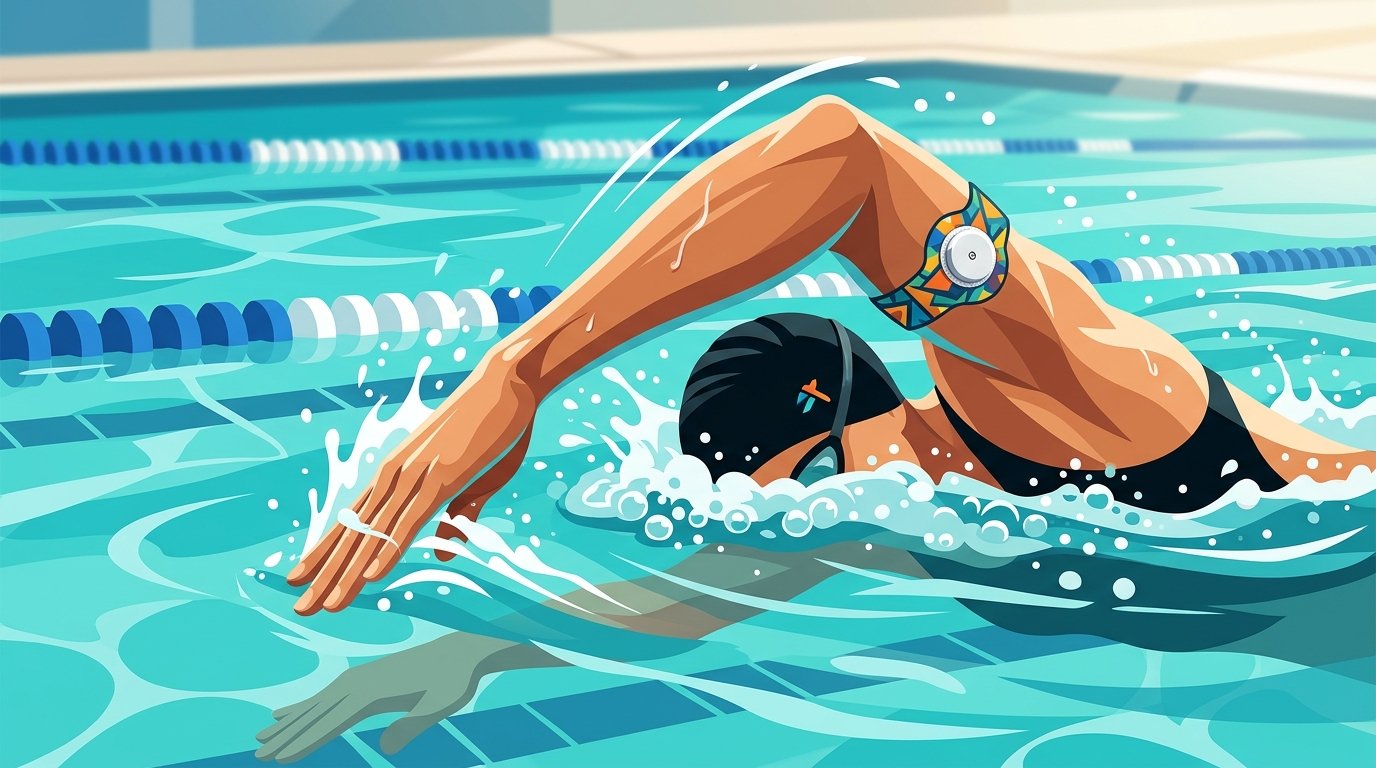
For swimmers who want extra peace of mind, a reusable neoprene or silicone transmitter armband is an excellent investment. These bands slide up your arm and compress the sensor gently against your body, physically preventing the edges from lifting while you swim.
3. Underpatches and Skin Barriers
If you have sensitive skin that reacts to strong waterproof adhesives, try using an underpatch. This is a thin barrier patch applied directly to your skin before the sensor is inserted. The sensor needle inserts right through the patch, protecting your skin from irritation while enhancing stickiness.
During and After the Swim: Best Practices
Once your CGM is secured and you are in the water, there are a few practical things to keep in mind to ensure your monitoring stays seamless and your skin remains healthy.
Mind the Bluetooth Range
Remember that Bluetooth signals do not travel well through water. If you are swimming laps, your CGM transmitter may temporarily lose connection with your phone or reader. Do not panic if you see a "Signal Loss" or "No Readings" screen. Most modern CGMs can store several hours of glucose data on the transmitter itself and will backfill the missing data to your glucose tracking app once you get out of the water and reconnect.
Pat, Don't Rub
When you exit the water, your adhesive patches will be temporarily softened by the moisture. This is the most vulnerable time for your sensor. Avoid the urge to vigorously dry your arm or abdomen with a towel. Instead, gently pat the area around the sensor dry.
Let It Air-Dry
Allow the patch to air-dry completely before applying any friction, like putting on tight clothing or a backpack strap. If you are in a hurry, you can use a hair dryer on the "cool" setting from a safe distance to speed up the drying process.
Watch Out for Hot Tubs
While swimming in a cool pool is great, hot tubs present a different challenge. Extreme heat can cause your blood vessels to dilate, which can artificially alter the rate of insulin absorption and affect your CGM's accuracy. Additionally, the combination of hot water and high chlorine levels is incredibly destructive to medical adhesives. It is best to limit hot tub sessions to 10 to 15 minutes and keep your sensor out of the water as much as possible.
Troubleshooting Common Issues
Even with the best preparation, you might occasionally run into a few hurdles. Here is how to handle them like a pro:
- What if the edges start peeling? If you notice the edges of your overpatch lifting after a swim, do not try to rip the whole patch off, as this might pull your sensor out. Instead, carefully trim the loose edges with clean medical scissors and apply a small piece of medical tape over the lifting area.
- What if my sensor falls off anyway? If a sensor fails or falls off prematurely due to water exposure, contact the manufacturer. Most companies have excellent customer service and will replace a sensor that fell off before its expiration date, especially if you explain you were following standard guidelines.
- Is my skin reacting to the waterproof tape? If you experience redness, itching, or hives, you might have an allergy to the adhesive. Try using a physical barrier like a silicone armband instead of adhesive patches, or apply a mild, doctor-approved barrier spray before sticking the patch down.
Please consult your doctor or healthcare team if you experience severe skin irritation or if you are unsure about how swimming might affect your personal insulin regimen.
Summary of Key Takeaways
To keep your CGM perfectly secure while swimming, keep these core strategies in mind:
- Clean skin is sticky skin: Always prep your skin by exfoliating, cleaning with oil-free soap, and using isopropyl alcohol before sensor application.
- Invest in overpatches: Use a dedicated, waterproof medical overpatch to seal the sensor completely from water.
- Protect physically: Consider a reusable neoprene armband for high-impact water sports or long lap-swimming sessions.
- Dry with care: Gently pat the sensor area dry after swimming; never rub it with a towel.
- Expect signal lag: Do not worry about temporary Bluetooth signal loss while in the pool—your data will sync once you are back on dry land.
Take Control of Your Active Lifestyle
Protecting your physical device is just the first step to a successful fitness routine. To truly understand how swimming and other exercises impact your metabolic health, you need a smart way to analyze your data.
With GlucoAI, you can seamlessly track how your body responds to your favorite water workouts. By logging your swims and viewing your real-time glucose curves, you will learn exactly how to prevent post-exercise lows and optimize your insulin sensitivity. Don't let your CGM hold you back from the pool—waterproof your device, dive in, and let GlucoAI help you navigate your health journey with confidence!
GlucoAI — Smart Blood Sugar Monitor
Track, analyze, and optimize your glucose levels with AI-powered insights.