
- Published on
Spices and Herbs for Better Blood Glucose Control
Spices and Herbs for Better Blood Glucose Control
Have you ever wondered if the secret to better metabolic health is hiding right in your kitchen pantry? While we often focus on macronutrients like carbohydrates, proteins, and fats, the smaller ingredients we use to flavor our meals—herbs and spices—can play a surprisingly significant role in how our bodies manage blood sugar.
If you are looking for simple, delicious ways to support your metabolic health, adding specific botanicals to your diet may be a game-changer. By improving insulin sensitivity—the efficiency with which your body uses insulin to move glucose into your cells—these culinary staples can help you maintain more stable levels throughout the day. Let’s explore the science-backed herbs and spices that can turn your favorite recipes into tools for health.
The Science of Flavor and Insulin Sensitivity
When we talk about blood glucose control, we are often talking about managing the speed and magnitude of post-meal spikes. Certain compounds found in plants, such as polyphenols and antioxidants, have been shown to influence digestive enzymes or enhance the signaling pathways that insulin uses to do its job.
When you incorporate these ingredients into your meals, you aren't just adding flavor; you are providing your body with bioactive compounds that may slow the absorption of glucose from the gut or improve the uptake of sugar by your muscles. This is a powerful, non-invasive way to supplement your existing diabetes management routine. Of course, it is important to remember that these additions are part of a broader health strategy, and you should always consult your doctor before making significant changes to your diet or treatment plan.
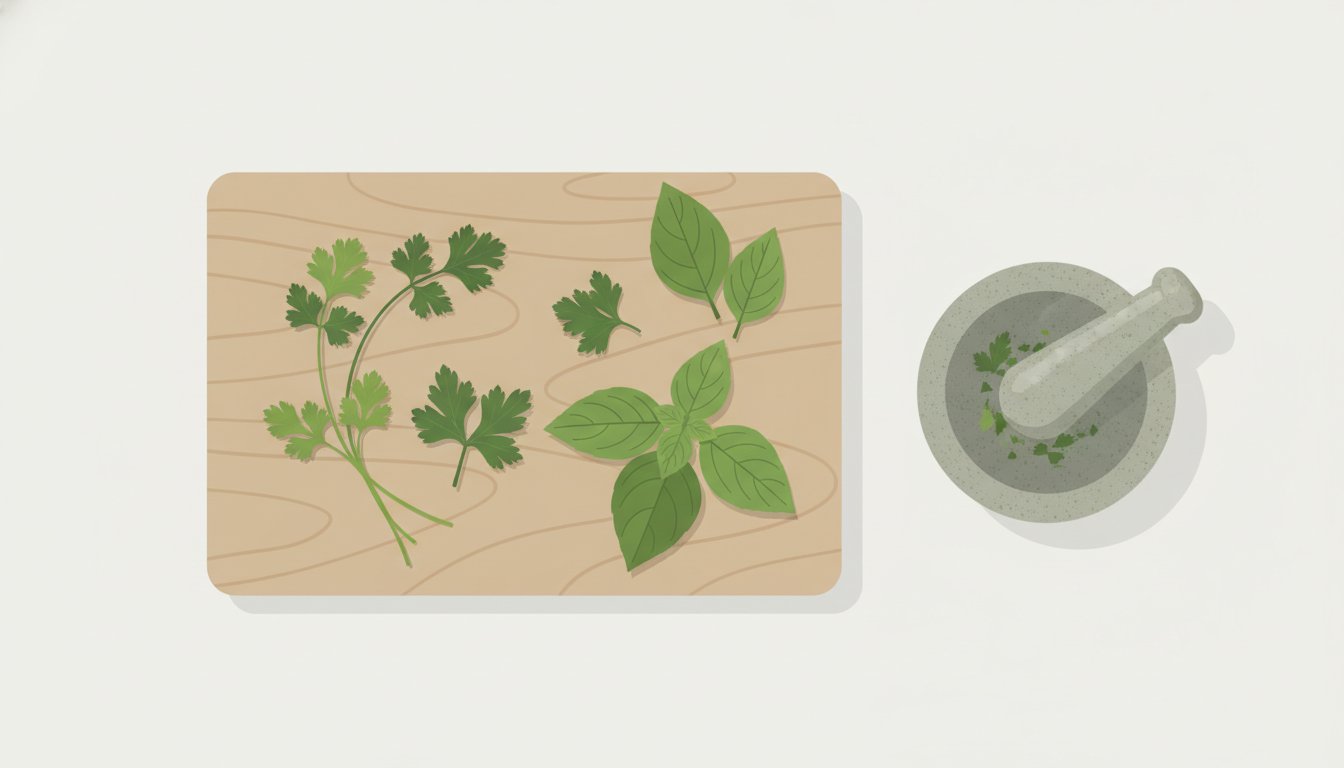
Top Herbs and Spices for Glucose Management
Not all spices are created equal when it comes to metabolic health. Based on current research, here are the most effective options to consider for your spice rack.
Cinnamon: The Classic Metabolic Booster
Perhaps the most famous spice in the diabetes community, cinnamon—specifically Cassia and Ceylon varieties—has been extensively studied for its impact on blood glucose. Some studies suggest that cinnamon can improve insulin sensitivity and lower fasting blood glucose levels by helping to mimic the action of insulin in your cells.
Turmeric: The Anti-Inflammatory Powerhouse
Turmeric contains an active compound called curcumin. Chronic, low-grade inflammation is often linked to insulin resistance, making it harder for your body to process glucose effectively. By reducing inflammation, turmeric may help improve overall insulin function. Try adding it to curries, soups, or even warm golden milk.
Fenugreek: A Fiber-Rich Support
Fenugreek seeds are high in soluble fiber, which slows down digestion and the subsequent absorption of carbohydrates. This helps prevent the rapid "spike and crash" cycle that many people experience after meals. You can find fenugreek in many spice blends or use the seeds directly in stews.
Ginger: A Digestive and Metabolic Aid
Ginger is well-known for its ability to soothe the stomach, but it also appears to help lower fasting blood sugar and improve long-term markers like A1C (the average of your blood sugar levels over the past 3 months). It is a versatile addition to stir-fries, teas, and smoothies.
How to Integrate These Into Your Daily Routine
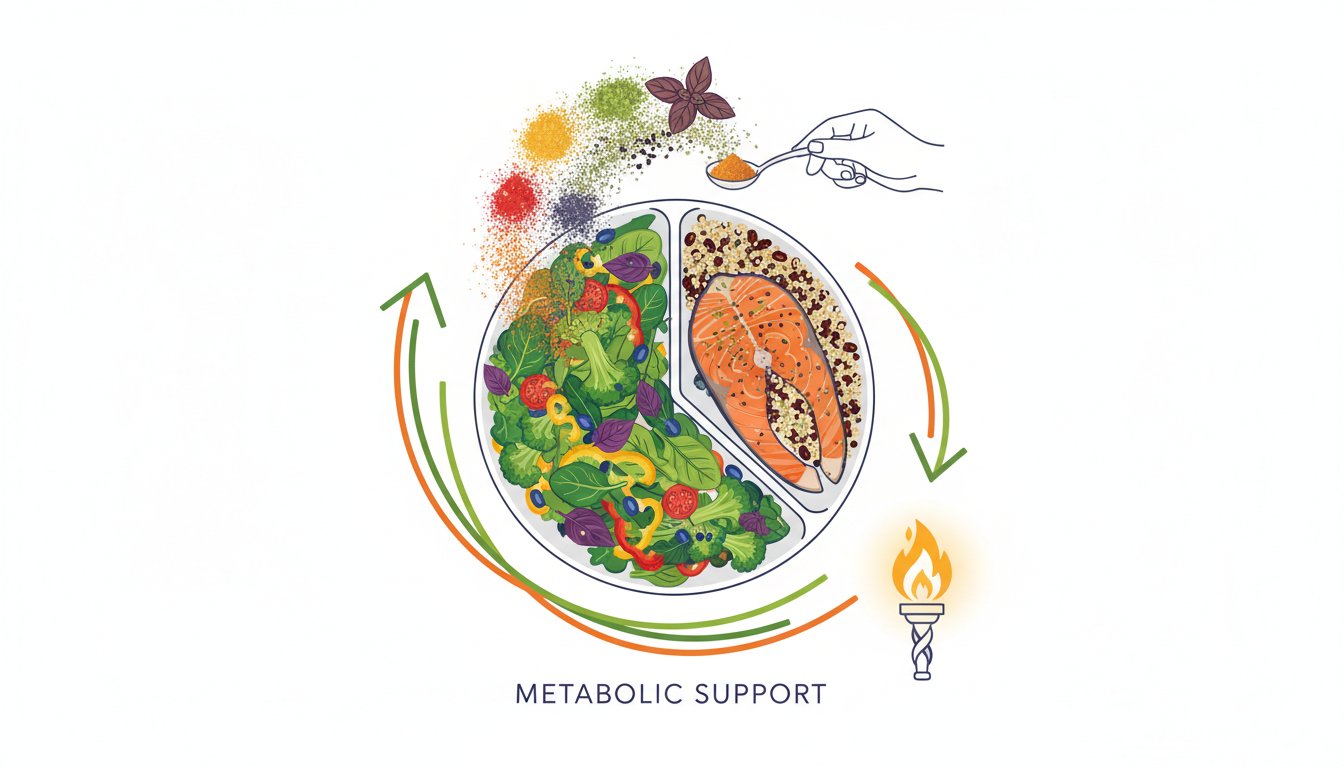
The best way to benefit from these herbs and spices is to make them a natural, consistent part of your cooking. You don’t need to take massive doses in supplement form to see an impact; incorporating them into your daily meals is often more sustainable and enjoyable.
- Morning Rituals: Add a dash of cinnamon to your morning oatmeal, yogurt, or coffee.
- Savory Dinners: Use turmeric, garlic, and ginger as the base for your marinades or vegetable sautés.
- Creative Infusions: Steep fresh ginger in hot water for a refreshing afternoon tea that supports your metabolism.
- Smart Snacking: Use herbs like rosemary, thyme, or oregano to flavor roasted nuts or seeds, providing a savory crunch without the glycemic impact of processed snacks.
Tracking Your Progress with GlucoAI
While incorporating these spices is a wonderful proactive step, the only way to truly understand how they impact your specific physiology is to monitor your glucose response. Everyone’s body reacts differently to various foods and ingredients.
For example, you might find that a meal seasoned with turmeric leads to a flatter glucose curve for you compared to a meal without it. Using glucose tracking apps can help you gather this data over time. With GlucoAI, you can log your meals and see how your blood glucose trends align with your dietary choices. By visualizing your data, you can identify which culinary habits provide the most stability for your unique metabolic profile.
Troubleshooting Common Questions
Does "more" always mean "better"?
Not necessarily. While these spices have health benefits, they are meant to be used as flavor enhancers. Focus on consistency rather than high-dose supplementation, which can sometimes lead to digestive discomfort or other side effects.
Can herbs replace my medication?
Absolutely not. Herbs and spices are intended to be a supportive part of your management plan, not a replacement for prescribed treatments. If you are using insulin or other glucose-lowering medications, always discuss any dietary changes with your healthcare provider to avoid the risk of hypoglycemia (low blood sugar).
Summary and Next Steps
Incorporating herbs and spices like cinnamon, turmeric, and ginger into your diet is a flavorful, evidence-backed strategy to support better blood glucose control and improved insulin sensitivity. These natural additions can help smooth out post-meal spikes and contribute to a more stable metabolic state.
To get the most out of your efforts, remember these key takeaways:
- Consistency is key: Integrate these flavors into your daily meals rather than relying on occasional, high-dose supplements.
- Monitor your response: Use a glucose tracking tool to observe how your body reacts to different ingredients.
- Prioritize data: Use GlucoAI to log your meals and track your glucose patterns, helping you make informed decisions about your diet.
- Consult your care team: Always keep your doctor in the loop when making changes to your health routine.
Ready to see how your favorite meals affect your glucose levels? Start by tracking your next few meals with GlucoAI and pay close attention to how your body responds to your new, spice-infused recipes! Small, intentional changes to your diet can lead to significant improvements in your metabolic health journey.
GlucoAI — Smart Blood Sugar Monitor
Track, analyze, and optimize your glucose levels with AI-powered insights.