
- Published on
Managing Glucose During Illness: Tracking and Safety
When you are feeling under the weather, the last thing you want to worry about is your blood sugar levels. Yet, even a common cold or a mild case of the flu can send your glucose readings on a rollercoaster ride. If you have been working hard to maintain stability, seeing unexpected spikes or sudden drops during an illness can feel incredibly frustrating.
It is important to understand that when your body is fighting off an infection, it releases stress hormones like cortisol and adrenaline. These hormones act as a signal to your liver to release stored glucose into your bloodstream to provide energy for your immune system. While this is a natural survival mechanism, it often leads to higher-than-normal blood sugar levels, even if you are eating less than usual.
Why Illness Impacts Your Blood Sugar
When you are sick, your body is in a state of increased physiological stress. This state triggers a "fight or flight" response, which directly opposes the action of insulin. As a result, your cells may become temporarily more resistant to insulin, making it significantly harder to keep your glucose in your target range.
Furthermore, illness often disrupts your typical routine. You might be sleeping more, eating different foods, or experiencing a loss of appetite. Dehydration, which is common during a fever or digestive upset, can also concentrate the glucose in your blood, leading to artificially higher readings. Understanding these patterns is key to navigating "sick days" without losing your progress.
Monitoring During Illness: The Basics
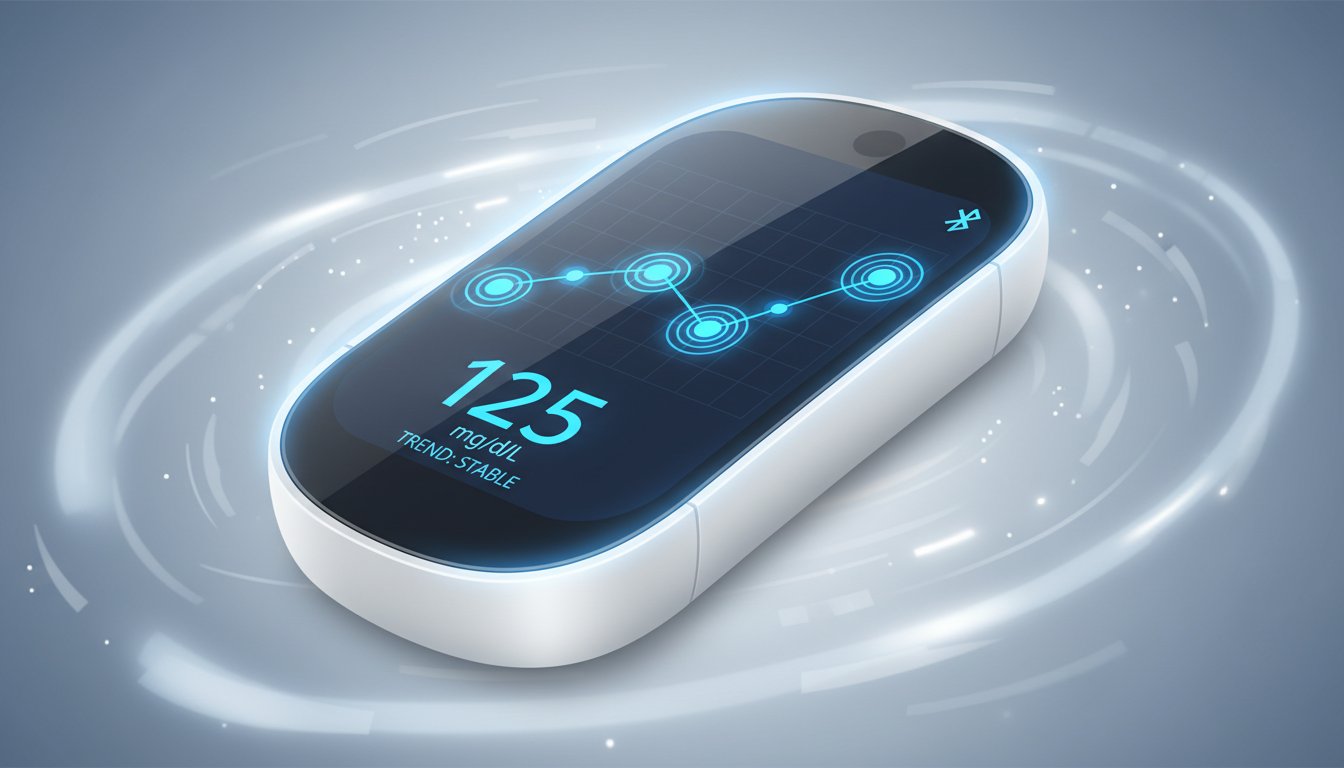
During an illness, your standard glucose management plan may need a temporary adjustment. The most critical step is to increase the frequency of your monitoring. If you typically check your levels a few times a day, consider checking every 3 to 4 hours while you are awake.
Using a continuous glucose monitor (CGM) is particularly helpful during these times. A CGM provides real-time data and trend arrows, allowing you to see if your glucose is rising sharply or if it is beginning to stabilize. If you are using a glucose tracking app like GlucoAI, you can log your symptoms, medication intake, and meals alongside your readings. This digital record creates a clear picture of how your specific illness is affecting your metabolism, making it easier to share accurate information with your healthcare provider if needed.
Essential Supplies to Keep on Hand
- Extra test strips: If you use a finger-stick meter as a backup, ensure you have plenty of supplies.
- Ketone test strips: If you have type 1 diabetes or are at risk for diabetic ketoacidosis (DKA), check for ketones as directed by your doctor if your blood sugar is consistently high.
- Hydration sources: Water, electrolyte drinks, or broth.
- Quick-acting glucose: Keep glucose tablets or juice nearby in case you experience a low, which can happen if you are unable to keep food down.
Interpreting Your Data
It is normal to see higher numbers when you are sick, but there is a difference between a manageable elevation and a dangerous trend. Focus on the trend rather than just a single high reading. If your glucose remains consistently above your personal target range despite following your usual management routine, you may need to consult your doctor about temporary medication adjustments.
Do not be discouraged if your "Time in Range" (the percentage of time your glucose is within your goal range) takes a dip during a fever. Your primary goal during illness is safety and stability, not perfection. Focus on staying hydrated and monitoring for warning signs like extreme thirst, frequent urination, or nausea.
When to Contact Your Doctor
While many minor illnesses can be managed at home, there are specific scenarios where you should reach out to your healthcare team immediately. Please consult your doctor if you experience:
- Blood sugar readings that remain consistently high (e.g., above 240 mg/dL) despite taking your medication.
- Moderate to large amounts of ketones in your urine.
- Persistent vomiting or the inability to keep fluids down for more than a few hours.
- Confusion, rapid breathing, or unusual lethargy.
Your doctor can provide specific guidance on how to adjust your insulin or other medications during a sick day. Never make significant changes to your prescribed treatment plan without professional medical advice.
Keeping Your Routine Flexible
The goal of using tools like GlucoAI is to empower you with data, not to cause stress. When you are sick, treat your glucose monitoring as a diagnostic tool rather than a report card. If you see a spike after a meal, it might be due to the illness itself rather than the food you ate.
Practical Tips for Recovery
- Prioritize hydration: Even small sips of water throughout the day can help your kidneys clear excess glucose.
- Focus on simple, digestible meals: If your appetite is low, aim for small, frequent meals that are easy on your stomach.
- Rest is medicine: Your body needs energy to recover. Excessive physical activity while sick can sometimes cause counterproductive glucose spikes due to the added stress on your system.
- Log everything: Use your tracking app to note your fever, medication doses, and any symptoms. This data will be invaluable when you discuss your recovery with your medical team.
Summary
Managing glucose during illness requires a shift in perspective. You are not failing if your numbers are higher than usual; you are simply managing a complex biological response to an infection. By increasing your monitoring frequency, staying hydrated, and keeping a detailed log of your readings and symptoms, you can avoid dangerous swings and recover more safely.
Remember, your health management tools are there to support you through all conditions—both good and bad. When you are back to feeling like yourself, you can review the data you collected in GlucoAI to learn more about how your body responds to illness, helping you feel even more prepared for the future.
Disclaimer: This information is for educational purposes only and does not constitute medical advice. Always consult with your healthcare provider regarding any changes to your treatment plan or concerns about your health.
GlucoAI — Smart Blood Sugar Monitor
Track, analyze, and optimize your glucose levels with AI-powered insights.