
- Published on
Kitchen Organization Tips for Stable Glucose
Kitchen Organization Tips for Stable Glucose
Your kitchen is the command center for your metabolic health. When you are managing your blood sugar—the amount of glucose circulating in your bloodstream—the environment you create can either support your goals or make them significantly harder to reach. If your pantry is filled with hidden sugars or your refrigerator makes healthy choices difficult to see, you are fighting an uphill battle against impulsive snacking.
Creating a glucose-friendly kitchen isn't about restriction; it is about architecture. By rearranging your space to make nutritious, low-glycemic options the path of least resistance, you can significantly reduce the mental fatigue associated with healthy eating. When your environment is organized for success, maintaining stable blood sugar becomes a natural part of your daily routine rather than a constant struggle of willpower.
The Visual Hierarchy: Designing Your Pantry
The most effective way to improve your dietary habits is to apply the "see it, eat it" principle. Most of us gravitate toward the items we see first when we open our cupboard doors. If a box of processed crackers is at eye level, it is likely to be your first choice when you’re feeling hungry.
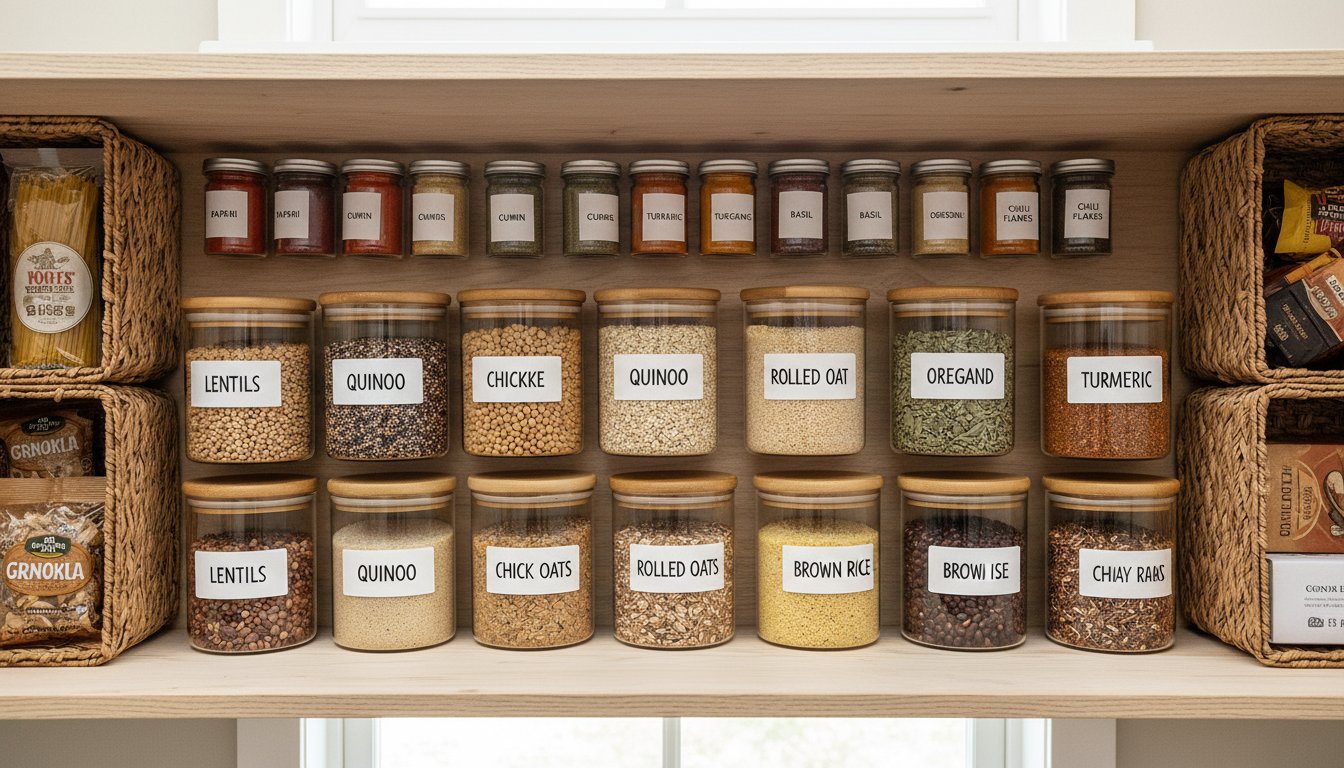
To optimize your pantry for glucose stability, start by grouping items by their impact on your blood sugar. Keep complex carbohydrates, fiber-rich grains, and high-protein snacks at eye level or in clear containers. Foods that are high in refined sugars or processed starches should be relegated to the back of the pantry or higher shelves that are harder to reach. This simple act of "friction design" encourages you to pause and consider your choice before grabbing a snack that might cause a sharp glucose spike.
Use Clear Storage for Whole Foods
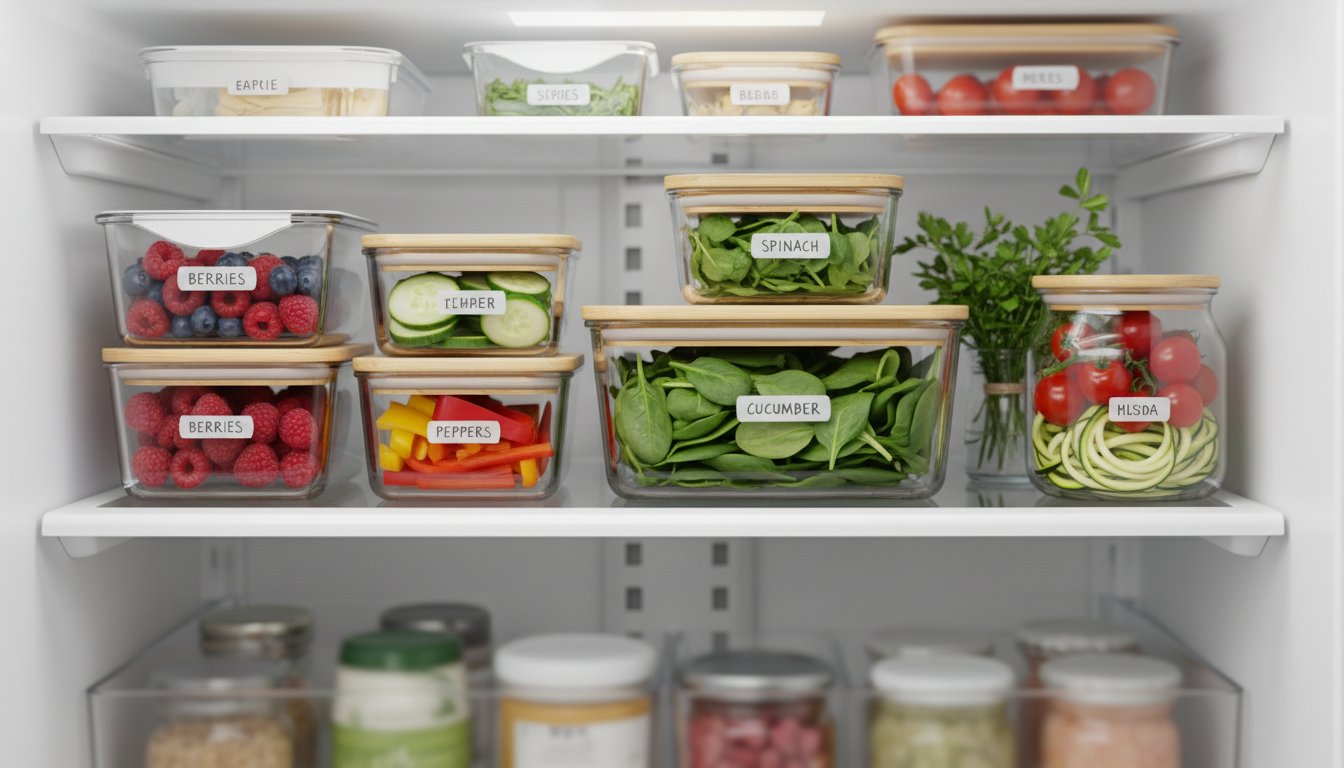
Using transparent, airtight containers for nuts, seeds, and legumes serves two purposes. First, it keeps your staples fresh, which preserves the quality of your ingredients. Second, it acts as a visual prompt. When you see a jar of raw almonds or pumpkin seeds on your counter, you are more likely to choose them over an opaque bag of chips tucked away in a drawer.
Refrigeration Strategies for Metabolic Health
Your refrigerator is often where the most important decisions regarding your A1C—the measure of your average blood sugar levels over the past 3 months—are made. A cluttered fridge often leads to forgotten produce and an over-reliance on pre-packaged, high-sodium, or sugar-laden convenience foods.
Begin by designating a "ready-to-eat" zone. This should be a specific shelf at eye level dedicated to pre-washed vegetables, hard-boiled eggs, or portioned containers of Greek yogurt. When you come home tired and hungry, having these items ready to grab can prevent you from reaching for the quickest, but perhaps least blood-sugar-friendly, option.
The Power of Batch Prep
Integration is key to long-term success. Spend a small amount of time each week washing and chopping vegetables like bell peppers, cucumbers, or celery. Store them in clear, glass containers so they are the first thing you see when you open the fridge door. If you struggle to stay consistent with these habits, using glucose tracking tools can help you identify which meal prep routines lead to the most stable glucose readings for your unique metabolism.
Countertop Real Estate: The "Healthy First" Rule
Your kitchen counter is your most valuable real estate. Whatever sits here will be consumed most frequently. If your counter is covered in bread, cookies, or sugary cereals, these items will inevitably make up a larger portion of your intake.
Clear your counters of anything that isn't a whole-food staple. Instead, place a large bowl of low-glycemic fruit—like berries or green apples—or a container of raw nuts in the center. By making these the "anchor" of your kitchen, you subconsciously signal to yourself that these are the default, healthy options. It sounds simple, but shifting these small environmental cues can have a profound impact on your long-term metabolic health.
Streamlining Your Cooking Process
Organization goes beyond just where you store food; it also involves how you prepare it. Many people find that they experience post-meal glucose spikes simply because they resort to convenience foods when they are overwhelmed by a disorganized kitchen.
Keep your essential tools—like a high-quality chef’s knife, a sturdy cutting board, and your favorite measuring tools—easily accessible. When your kitchen is organized to facilitate quick, healthy cooking, you are far more likely to prepare a balanced meal containing fiber, protein, and healthy fats, which is the gold standard for preventing large blood sugar fluctuations.
Troubleshooting Common Kitchen Challenges
Challenge: The "Hidden" Snack Habit
If you find yourself constantly grazing on items that aren't good for your glucose levels, take an inventory of your "danger zones." These are the specific cabinets or drawers where you store high-sugar snacks. If possible, remove these items from your home entirely, or move them to a location that requires significant effort to access, like a high shelf in a garage or utility closet.
Challenge: Lack of Time for Prep
If you find that you don't have time to organize or prep, start small. Focus on just one shelf in your fridge or one drawer in your pantry. You don't have to overhaul your entire kitchen in a single day. Consistency is the foundation of long-term health, and even small, sustainable changes in how you organize your space can lead to improved glucose stability over time.
Results You Can Expect
By organizing your kitchen with your metabolic health in mind, you are setting yourself up for success. You can expect to see:
- Increased Consistency: Making healthy choices becomes automatic rather than a taxing decision.
- Reduced Decision Fatigue: With fewer temptations in plain sight, you free up mental energy for other areas of your life.
- Improved Glucose Stability: By defaulting to fiber and protein-rich snacks, you will likely notice fewer, less severe blood sugar spikes throughout the day.
Summary
Creating a glucose-friendly home is one of the most effective, yet overlooked, strategies for managing your health. By curating your pantry, optimizing your refrigerator, and utilizing your countertop space for whole foods, you create an environment that naturally supports your wellness goals. Remember that these changes don't need to be perfect; they just need to be consistent.
If you are looking for more support in understanding how your environment and food choices affect your body, GlucoAI can help you track your progress. By monitoring your blood sugar and logging your meals, you can gain valuable insights into which habits work best for your specific biology.
Start by choosing one area of your kitchen to organize today. Whether it’s clearing your countertops or rearranging your pantry, every small step contributes to a more stable and healthier version of you. As always, please consult your doctor or a healthcare professional before making significant changes to your diet or management plan.
GlucoAI — Smart Blood Sugar Monitor
Track, analyze, and optimize your glucose levels with AI-powered insights.