
- Published on
Artificial Light and Glucose: Protecting Your Metabolism
Have you ever noticed your morning blood sugar readings climbing, even when you followed your meal plan perfectly the night before? While we often focus on the food on our plates, there is a silent metabolic disruptor hiding in plain sight: the artificial light in your home.
In our modern world, we are surrounded by light long after the sun sets. From smartphones and laptops to overhead LED bulbs and streetlights peering through our curtains, we are constantly exposed to artificial light at night (ALAN). While it may seem harmless, this light exposure is increasingly linked to metabolic dysfunction and glucose instability. Understanding how light affects your body can be a major step in taking control of your health.
The Science of Light and Your Metabolism
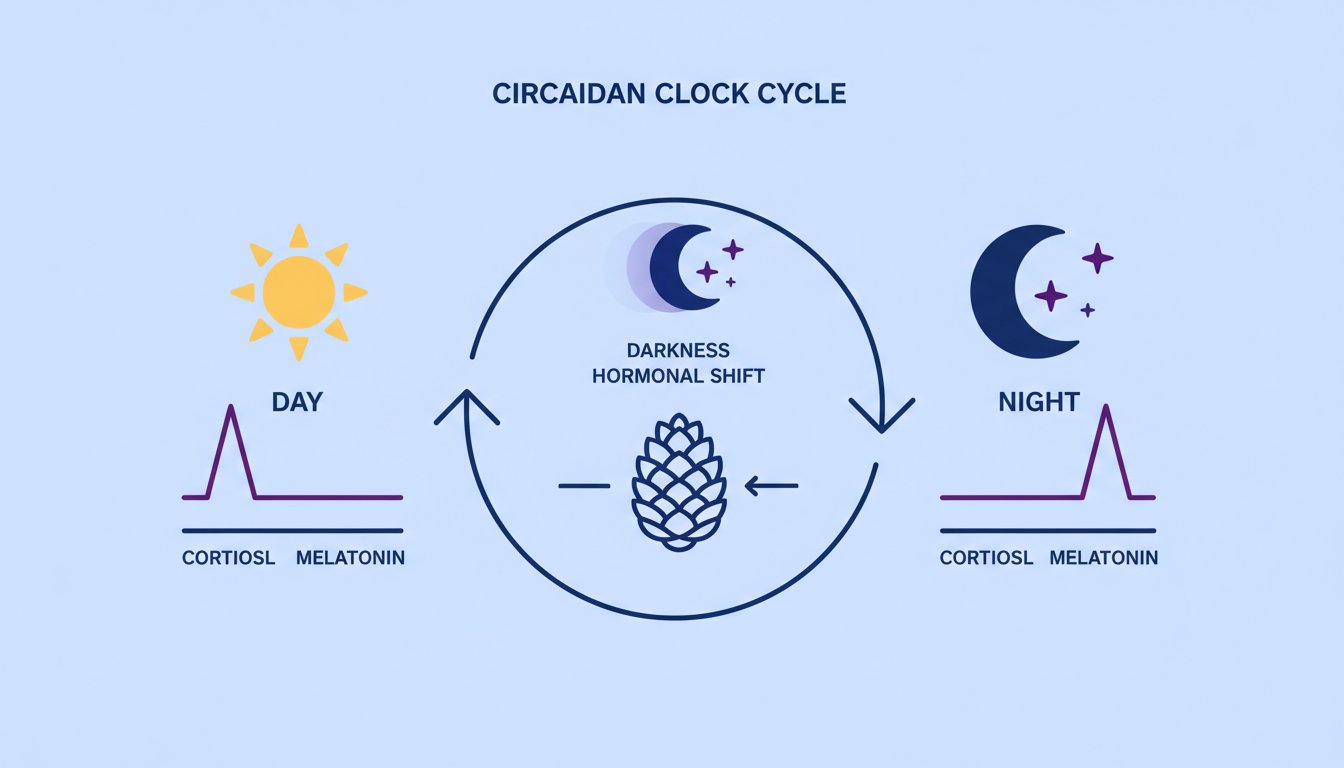
To understand the connection between light and glucose, we first have to look at your circadian rhythm. Your body has an internal "master clock," located in the brain's hypothalamus, which regulates biological processes based on a 24-hour cycle. This clock is primarily synchronized by light.
When sunlight hits your eyes during the day, it signals your body to be alert and promotes healthy metabolic function. However, when darkness falls, your body expects a decrease in light to trigger the production of melatonin, the "sleep hormone." Melatonin is essential for restorative sleep, but it also plays a surprising role in metabolic regulation. Research suggests that melatonin helps regulate insulin secretion and glucose metabolism. When you are exposed to artificial light at night, your brain receives a false signal that it is still daytime, suppressing melatonin production and potentially interfering with your body’s ability to process glucose efficiently.
Why Artificial Light at Night Disrupts Glucose
The impact of light on your metabolism goes beyond just poor sleep quality. Exposure to blue-enriched light—the kind emitted by most digital screens and energy-efficient LED bulbs—has been shown to have a more profound effect on the circadian system than warmer, dimmer light.
When your circadian rhythm is misaligned, your insulin sensitivity can decrease. Studies have shown that even a single night of light exposure during sleep can lead to increased insulin resistance the following morning. This means your body needs to produce more insulin to handle the same amount of glucose, which can lead to higher baseline blood sugar levels and, over time, increased strain on your metabolic health.
If you are already managing diabetes or prediabetes, this disruption can be especially frustrating. You may find that your "time in range"—the percentage of time your blood glucose remains within a healthy target—dips, even without any changes to your diet or exercise routine. By monitoring your glucose levels with tools like GlucoAI, you may start to notice patterns where late-night screen time or bright bedroom environments correlate with higher morning fasting glucose.
Strategies for Better Light Hygiene
You don’t have to live in total darkness to protect your metabolism, but adopting "light hygiene" can make a significant difference. Here are several actionable steps to help you reclaim your circadian rhythm.
Create a Dimming Ritual
As the sun sets, start dimming the lights in your home. Switching to lamps with lower-wattage, warm-toned bulbs can create a more natural evening environment. If possible, avoid harsh overhead lighting in the two hours before bedtime.
Establish a Digital Sunset
The blue light from smartphones, tablets, and computers is the most disruptive to your melatonin production. Try to implement a "digital sunset" at least 60 to 90 minutes before you go to sleep. Use this time for activities that don’t involve screens, such as reading a physical book, stretching, or preparing your meals for the next day.
Optimize Your Sleeping Environment
Your bedroom should be a sanctuary for sleep. If you live in an area with heavy light pollution, consider using blackout curtains to block streetlights. If that isn't an option, a comfortable sleep mask can be an incredibly effective and inexpensive tool to ensure your eyes remain in total darkness throughout the night.
Monitoring Your Progress
The beauty of modern health technology is that you can see exactly how these lifestyle changes impact your body. Using glucose tracking apps can help you identify whether your current habits—like reading on a tablet in bed—are contributing to morning glucose spikes.
When you start tracking your light exposure alongside your glucose data, you might notice that a "darker" evening routine leads to more stable fasting numbers the next day. It is important to remember that metabolic health is a puzzle with many pieces. Diet and exercise are foundational, but optimizing your environment—including the light you are exposed to—is a powerful lever for improvement.
Troubleshooting Common Issues
Issue: I need to use my phone for work late at night. Solution: If you must use screens, try using "night mode" or blue-light filtering software on your devices. These settings shift the color temperature of your screen toward the warmer end of the spectrum, which is less disruptive to your circadian system. Additionally, consider wearing blue-light-blocking glasses.
Issue: I struggle to fall asleep in the dark. Solution: If total darkness causes anxiety, use a very dim, warm-colored nightlight, preferably one that sits low to the floor, rather than a bright lamp at eye level.
Summary and Key Takeaways
Artificial light at night acts as an invisible signal that disrupts your body's natural rhythm, which can have downstream effects on your insulin sensitivity and glucose stability. By being intentional about your light exposure, you can support your body’s natural metabolic processes.
- Prioritize Darkness: Minimize artificial light exposure in the hours leading up to bedtime to support natural melatonin production.
- Limit Blue Light: Use blue-light filters or turn off digital devices at least an hour before sleep.
- Use Data to Inform Decisions: Use GlucoAI to track how your evening habits affect your morning glucose, allowing you to make data-driven adjustments to your routine.
Managing your metabolic health is a journey, and every small change counts. Whether it’s dimming the lights or adjusting your screen time, these habits build upon each other to create long-term stability. If you are concerned about your glucose patterns or feel that your sleep quality is consistently impacting your health, please consult your doctor to discuss a personalized plan.
Ready to see how your environment influences your glucose? Start logging your evening routines alongside your glucose readings in GlucoAI to uncover the trends that work for you.
GlucoAI — Smart Blood Sugar Monitor
Track, analyze, and optimize your glucose levels with AI-powered insights.