
- Published on
Electrolyte Ratios: Impact on Glucose and CGM Longevity
Electrolyte Ratios: Impact on Glucose and CGM Longevity
Have you ever noticed that your blood glucose readings seem to fluctuate even when your diet remains consistent? While we often focus on carbohydrates, fiber, and exercise, there is a silent player in metabolic stability: your hydration strategy. Specifically, the electrolyte ratios in the fluids you consume play a significant role in both your glucose response and the physical longevity of your CGM (Continuous Glucose Monitor) sensor.
Understanding the balance between sodium, potassium, magnesium, and calcium is not just about avoiding muscle cramps; it is about creating an internal environment where your cells can effectively manage insulin sensitivity. When these minerals are out of balance, your body may struggle to process glucose efficiently, leading to unexplained spikes or sluggish recovery times. Furthermore, the chemistry of your sweat—which is directly influenced by your electrolyte intake—can impact the adhesive performance of your CGM, affecting how long your sensor stays firmly in place.
The Metabolic Link: How Electrolytes Influence Glucose
Electrolytes are electrically charged minerals that facilitate essential bodily functions, including nerve signaling and muscle contraction. From a metabolic standpoint, they are the gatekeepers of cellular hydration. When you drink water without adequate electrolytes, you are essentially diluting your blood’s mineral concentration, which can trigger a stress response in the body.
Sodium and Insulin Sensitivity
Sodium is often demonized in modern health, but for those managing diabetes, it is a critical component of glucose transport. Sodium-glucose cotransporters (SGLTs) rely on sodium gradients to help shuttle glucose into your cells. If your sodium levels are too low, this process can become sluggish, potentially leading to higher circulating blood sugar levels. Conversely, excessive sodium intake without adequate water can increase blood viscosity, which may complicate how your body manages hydration-related glucose stability.
The Magnesium-Glucose Connection
Magnesium acts as a co-factor in over 300 enzymatic reactions, including those involved in glucose metabolism. Research suggests that magnesium deficiency is common among people with diabetes and can contribute to insulin resistance. By maintaining an optimal magnesium-to-calcium ratio, you support your body’s ability to utilize insulin effectively.
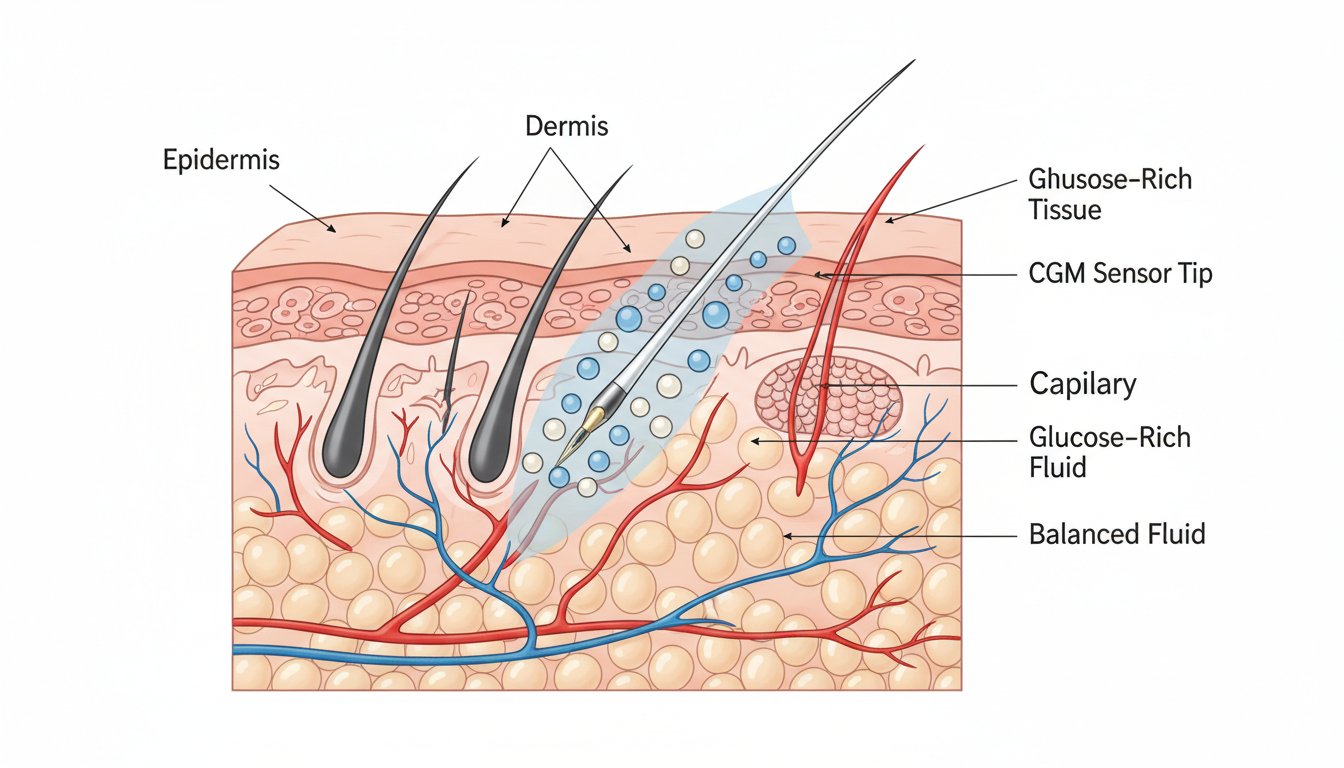
Electrolytes and Your CGM: The Hidden Interaction
While we often think of CGM longevity as a matter of choosing the right adhesive or skin prep, your internal chemistry matters just as much. The sweat you produce is a mixture of water and minerals. If your electrolyte intake is erratic, the salinity and pH of your sweat can change significantly.
Why Sweat Chemistry Matters for Adhesion
Your skin is an excretory organ. When you are depleted of electrolytes, your sweat may become more acidic or have a different mineral concentration, which can break down the medical-grade adhesives used on CGM sensors faster than normal. By stabilizing your electrolyte ratios, you help maintain a more consistent sweat profile, which can prevent the premature lifting of your sensor edges.
Hydration and Sensor Accuracy
Consistent hydration is the bedrock of CGM accuracy. Because sensors measure glucose in the interstitial fluid (the fluid between your cells), your overall hydration status directly impacts the volume and quality of this fluid. If you are chronically dehydrated or have fluctuating electrolyte levels, the interstitial fluid may become less responsive or harder for the sensor to analyze accurately. Ensuring you have the right balance of electrolytes helps maintain the volume of this fluid, leading to more reliable, real-time data.
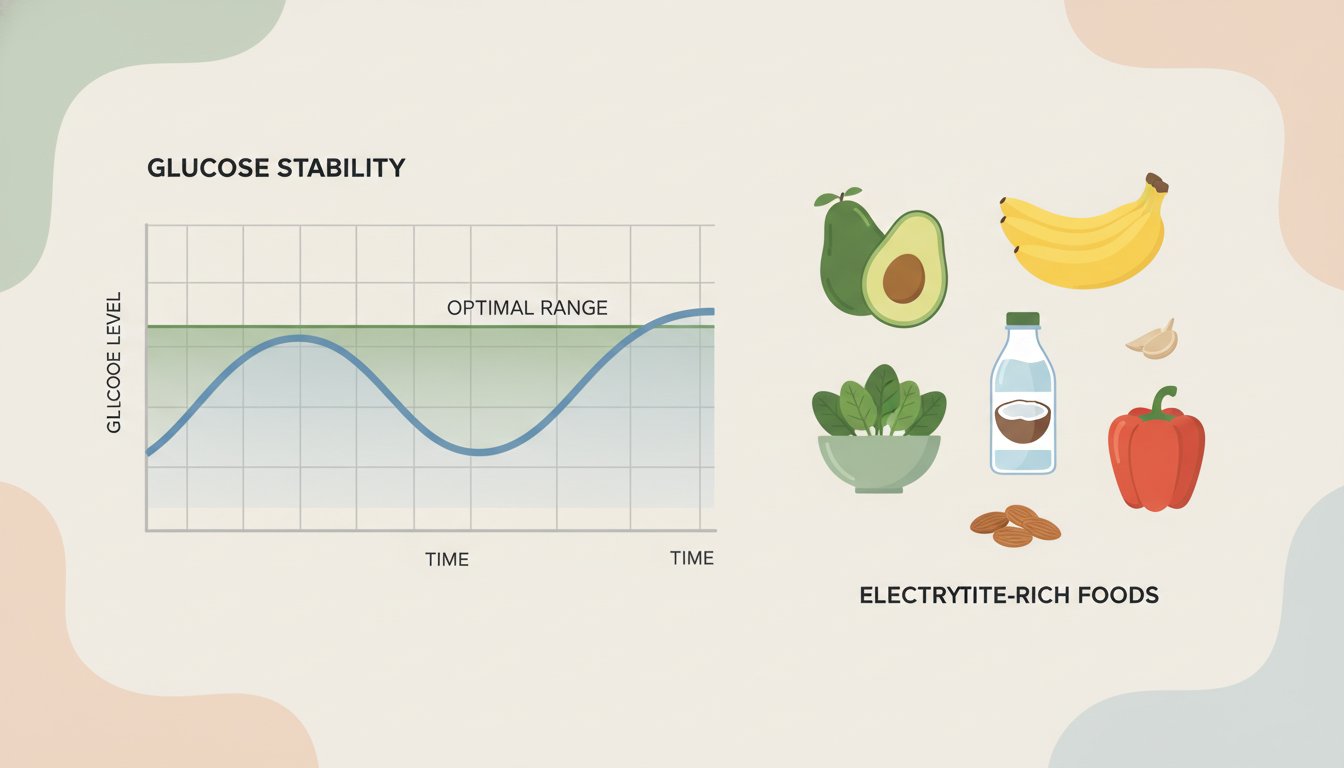
Achieving the Optimal Balance
Finding the right ratio of electrolytes is highly individual and depends on your activity level, climate, and overall health goals. However, there are universal steps you can take to optimize your intake.
1. Monitor Your Intake, Don't Guess
The most effective way to understand how your hydration affects your blood glucose is to track both. Using glucose tracking apps allows you to log your electrolyte intake alongside your blood glucose readings. By identifying correlations—such as noticing more stable mornings after a well-hydrated evening—you can fine-tune your approach. GlucoAI is designed to help you visualize these trends, making it easier to see how minor adjustments in your mineral intake influence your time in range.
2. Focus on Whole-Food Sources
Before turning to supplements, look at your diet. Leafy greens are excellent sources of magnesium, while avocados and bananas provide potassium. If you are active, you may need to add a pinch of high-quality sea salt to your water to replenish sodium lost during exercise.
3. Adjust for Environmental Factors
If you live in a hot climate or travel frequently, your electrolyte needs will change. Pay close attention to your CGM sensor performance during these times. If you notice it starting to peel, it could be a sign that your sweat composition has changed due to increased loss of minerals. Increasing your electrolyte intake during these periods can often resolve both the adhesion issues and the accompanying glucose volatility.
Troubleshooting Common Issues
Issue 1: Frequent Sensor Peeling
Solution: If your CGM is consistently failing to stay on for the full 10 to 14 days, evaluate your hydration. Are you sweating more? Are you drinking water without replacing electrolytes? Adding a balanced electrolyte drink during peak activity times can alter your sweat chemistry and improve adhesive longevity.
Issue 2: Unexplained Glucose Spikes After Light Exercise
Solution: This can sometimes be a sign of dehydration-induced stress. When you are low on electrolytes, your body may interpret exercise as a higher-stress event, causing a spike in cortisol and a subsequent rise in blood sugar. Try pre-loading with a balanced electrolyte solution 30 minutes before your workout to see if it stabilizes your numbers.
Summary and Key Takeaways
Managing your glucose is a holistic endeavor that goes beyond just counting carbohydrates. By paying attention to your electrolyte ratios, you can improve your insulin sensitivity and protect the longevity of your CGM sensor.
- Balance is key: Focus on a healthy ratio of sodium, magnesium, and potassium to support cellular glucose transport.
- Chemistry matters: Stable electrolyte levels lead to a more consistent sweat profile, which helps keep your
CGMsensor adhesive intact. - Track the trends: Use data to your advantage. By logging your hydration alongside your glucose levels, you can spot patterns that help you optimize your metabolic health.
Please consult your doctor before making significant changes to your electrolyte intake, especially if you have existing kidney conditions or are on medication for blood pressure or diabetes.
Ready to see how your hydration habits affect your metabolic health? Start by tracking your meals, hydration, and glucose consistently. With tools like GlucoAI, you can uncover the insights needed to make small, sustainable changes that lead to big improvements in your daily stability.
GlucoAI — Smart Blood Sugar Monitor
Track, analyze, and optimize your glucose levels with AI-powered insights.