
- Published on
CGM Adhesion: Choosing the Right Hydration Gear
CGM Adhesion: Choosing the Right Hydration Gear
You have finally mastered the art of sensor placement, ensuring your CGM (Continuous Glucose Monitor) is securely attached to your skin. But have you ever considered how your choice of water bottle or hydration pack might be sabotaging your device’s longevity? While it may seem like a trivial accessory, the gear you use to stay hydrated can play a surprisingly significant role in your CGM’s adhesion and, by extension, the accuracy of your glucose data.
Staying hydrated is non-negotiable for anyone managing their metabolic health. Adequate water intake helps keep your blood volume stable and ensures that your interstitial fluid—the fluid your CGM measures—is accurately reflecting your glucose levels. However, if your hydration gear causes your sensor to catch, pull, or peel, you are not just losing a piece of medical equipment; you are losing precious, actionable data.
The Hidden Link Between Hydration Gear and Adhesion
When you are on the move, your hydration container acts as an extension of your body. Whether it is a backpack with a tube, a waist belt with a bottle holster, or a heavy-duty thermos, these items are constantly interacting with your clothing and, potentially, your sensor site.
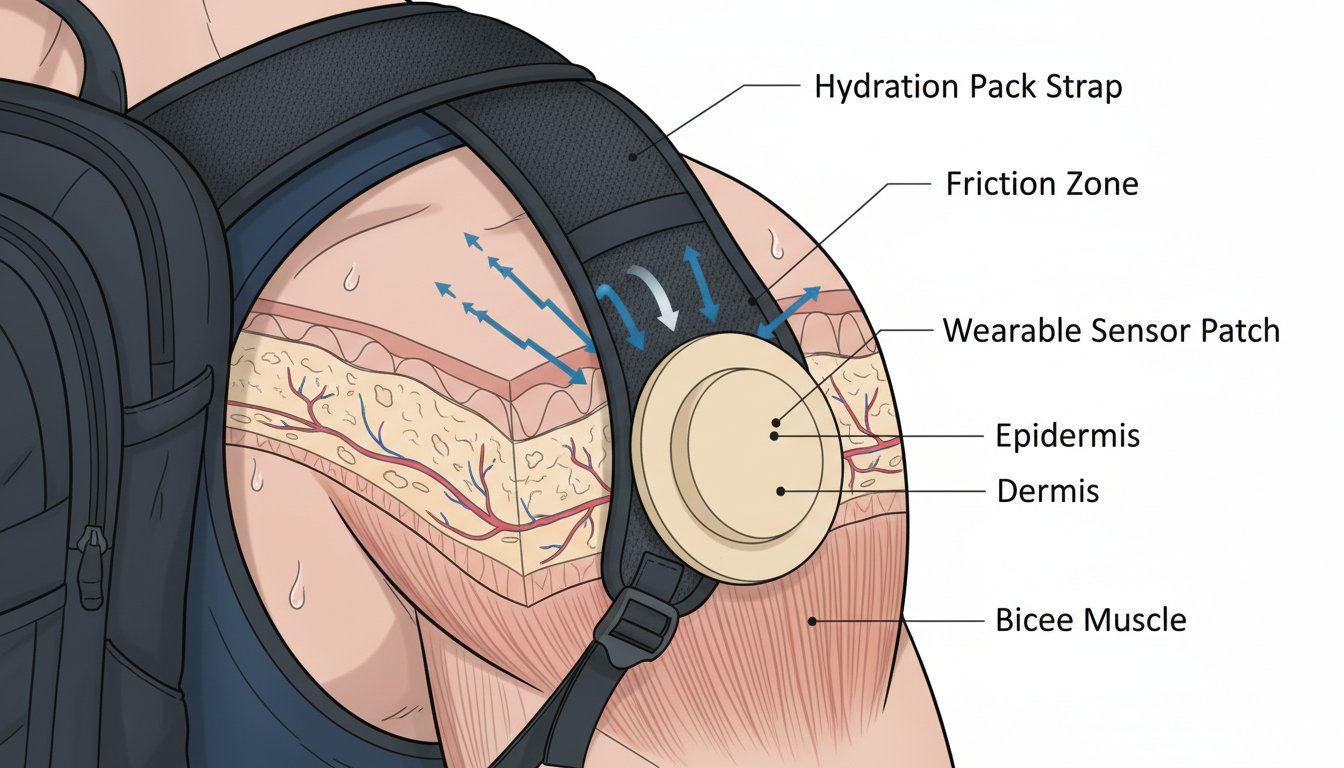
The primary issue arises when the physical structure of your gear exerts pressure or friction on your CGM. If your sensor is placed on your arm or hip, a poorly positioned waist belt or a bulky backpack strap can create a "snag point." Over several hours of hiking, running, or even commuting, the repetitive motion of that gear rubbing against the sensor adhesive weakens the bond with your skin. Once the edges begin to lift, the sensor becomes susceptible to moisture, sweat, and debris, which can lead to premature failure.
How Gear Choices Impact Your Glucose Data
It is not just about the physical loss of the sensor; it is about the quality of the data you receive. A loose or partially detached sensor can lead to "pressure-induced sensor lows" or inaccurate readings, as the sensor filament may not be sitting properly within the interstitial space. When the sensor is secure, your data is consistent, allowing you to see clear trends in how your body responds to meals and physical activity.
The Problem with Bulky Straps and Clips
Many hydration vests and belts feature adjustable straps that cross over common CGM placement sites like the upper arm or the lower back. If you notice your sensor is peeling after a long walk or workout, check where your gear sits. If the strap is constantly brushing against your sensor, you need to either adjust your placement or switch to a different type of hydration storage.
The Role of Material and Texture
Some hydration packs are made from abrasive, high-friction nylon. If your shirt is thin and your sensor is exposed, the material of your gear can act like sandpaper on the adhesive. Opting for gear with softer, moisture-wicking materials can help reduce the friction that leads to edge-fraying.
Selecting the Right Hydration Container for Your Lifestyle
Choosing the right gear isn't just about capacity; it’s about compatibility with your health-tracking tools. Here is how you can match your hydration habits with your CGM needs:
- Prioritize Low-Profile Designs: If you use a waist belt for running, look for ultra-slim, "bouncing-free" designs that sit lower on your hips or higher on your waist, away from your sensor site.
- Test the "Snag" Factor: Before heading out for a long trip, wear your gear at home for an hour. Check if the straps or the bottle holster makes contact with your sensor. If it does, consider a different site for your next
CGMapplication. - Use Protective Overlays: If your sport requires specific gear that you cannot change, consider using medical-grade adhesive patches or protective covers. These provide a physical barrier between your gear and the sensor, preventing the "catch" that leads to peeling.
Ensuring Accuracy Through Consistent Monitoring
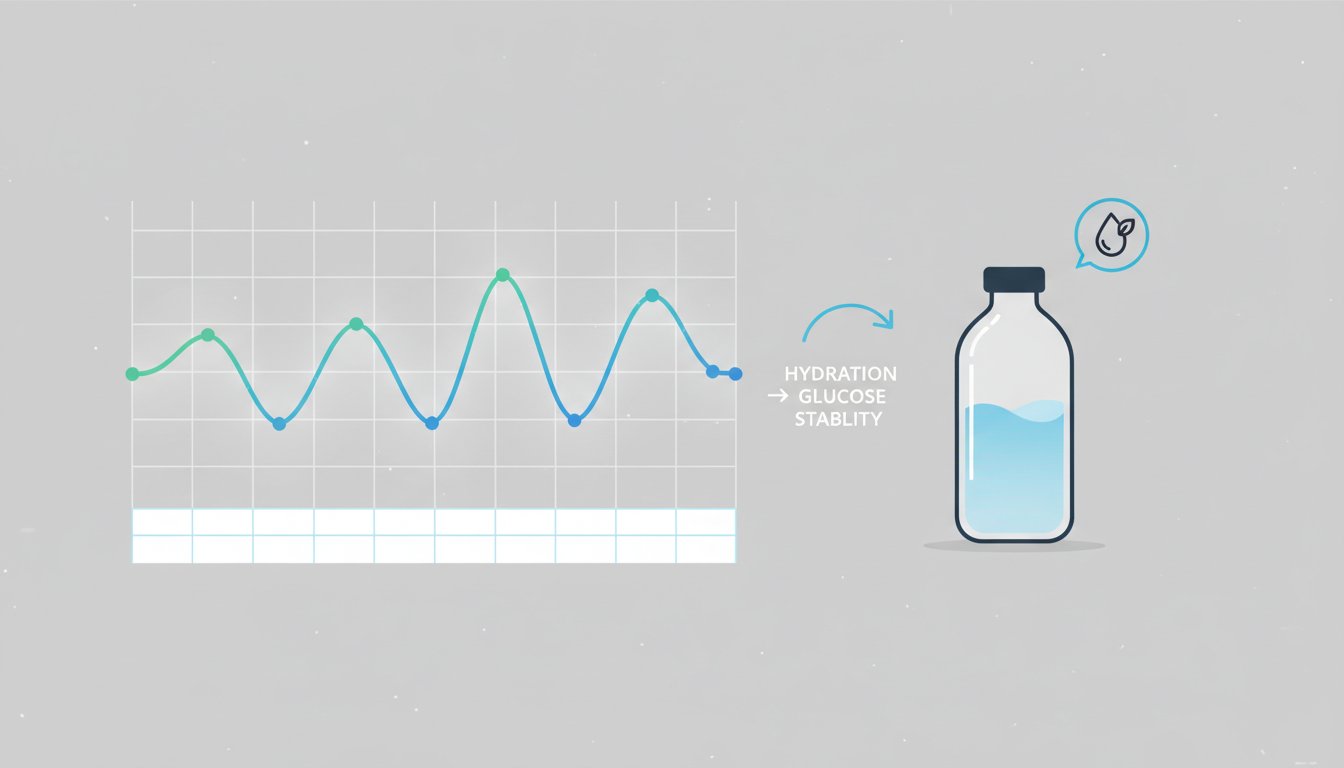
Even with the best gear, accidental bumps can happen. This is where your management strategy becomes vital. Using a digital assistant like GlucoAI allows you to keep a close eye on your glucose trends. If you notice a sudden, inexplicable drop or spike immediately following physical activity, check your sensor physically. It may have been dislodged by your gear, causing an inaccurate reading.
By logging your activities and your hydration habits alongside your glucose data, you can start to identify patterns. You might realize that every time you use a specific heavy-duty backpack, your CGM readings become erratic or the adhesive starts to lift. Recognizing these correlations is the first step toward better metabolic management.
Practical Tips for Long-Term Adhesion
If you live an active lifestyle, keeping your CGM secure requires a proactive approach:
- Skin Preparation: Always clean the site with alcohol and let it dry completely before application. Using a skin barrier spray can also create a more robust base for the adhesive.
- Strategic Placement: If you know you will be carrying a heavy pack, avoid placing the sensor on your back or shoulders. Try the abdomen or the thigh if your specific device allows for it.
- Check Your Gear: Periodically inspect your hydration gear for loose threads, sharp plastic buckles, or rough velcro that might catch on your sensor.
- Stay Hydrated for Data Quality: Remember that your hydration levels directly affect your blood volume. Dehydration can lead to more volatile glucose readings. Drink consistently throughout the day, not just during exercise, to keep your metabolic baseline stable.
Conclusion
Your hydration gear is more than just a convenience; it is a component of your overall health management ecosystem. By being mindful of how your backpacks, belts, and bottles interact with your CGM, you can prevent premature sensor failure and ensure that you get the most accurate data possible.
Managing your glucose isn't just about the food you eat; it is about the tools you use and the habits you build every day. If you are struggling to keep your sensors secure or want to better understand how your physical activity impacts your glucose levels, GlucoAI is here to help you track your progress. With the right data and a few adjustments to your gear, you can maintain stable glucose levels and focus on what matters most: your health and your journey. Please consult your doctor if you have persistent issues with sensor adhesion or concerns about your glucose readings.
Start by reviewing your current hydration setup today—small changes in your gear can lead to big improvements in your long-term health monitoring success.
GlucoAI — Smart Blood Sugar Monitor
Track, analyze, and optimize your glucose levels with AI-powered insights.