
- Published on
Beat the Post-Lunch Food Coma: Midday Glucose Tips
Have you ever found yourself staring blankly at your computer screen at 2:00 PM, struggling to keep your eyes open? You are not alone. That heavy, sluggish feeling—often called a "food coma" or postprandial somnolence—is a daily reality for millions of people. While we often blame a busy morning or a lack of sleep, the true culprit is usually hiding on our lunch plates.
When you eat a midday meal that is heavy in refined carbohydrates or simple sugars, your body quickly converts those foods into glucose. This causes a rapid rise in your blood sugar levels. In response, your pancreas pumps out a large wave of insulin to clear the glucose from your blood. This sudden insulin surge often works too well, causing your blood sugar to crash below baseline. This rapid fluctuation is what leaves you feeling exhausted, irritable, and desperately craving a sugary snack or another cup of coffee to get through the afternoon.
The Science Behind the Midday Slump
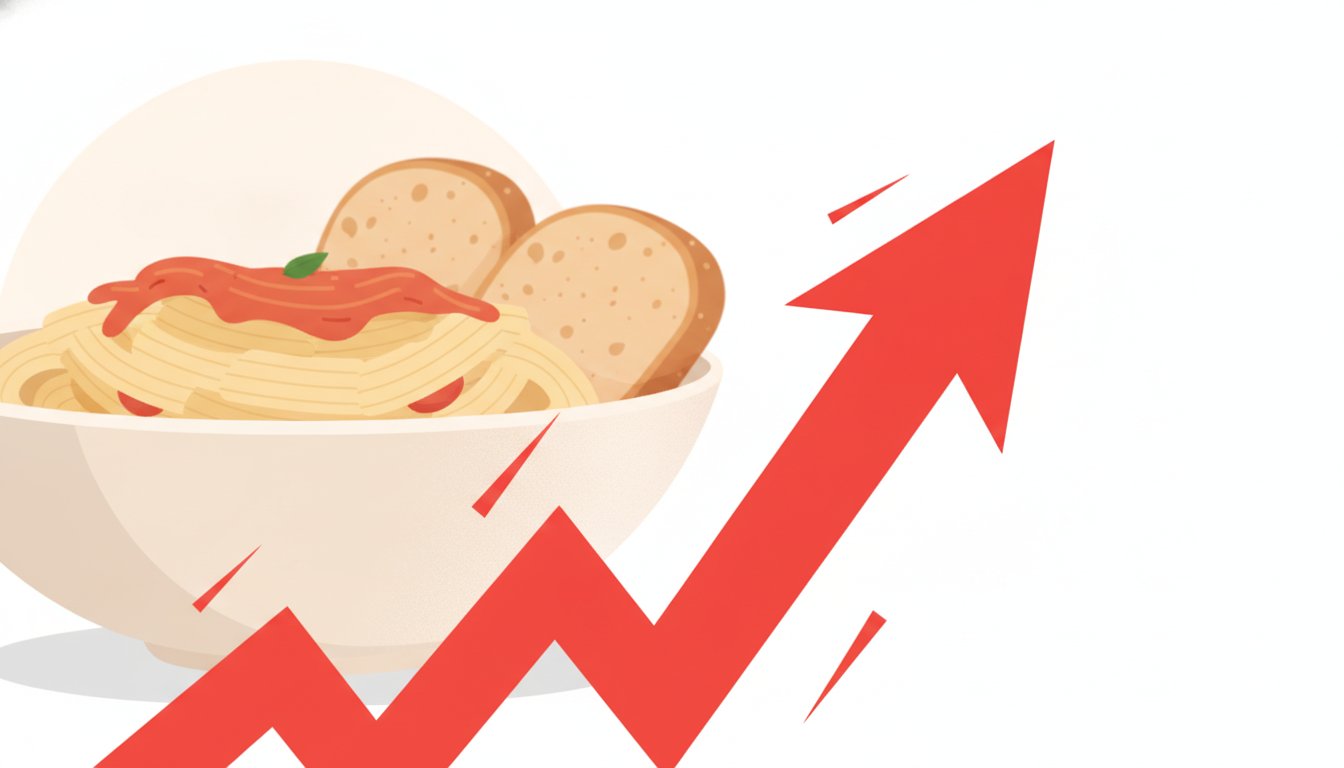
To beat the afternoon slump, we first need to understand why it happens. When you consume a high-glycemic meal, such as a large bowl of pasta, a sandwich on white bread, or a sugary soda, your digestive system rapidly breaks these simple carbohydrates down into glucose. This glucose floods your bloodstream, causing a significant blood sugar spike.
In response to this spike, your body seeks to restore balance. Your pancreas releases insulin, a hormone that acts as a key to let glucose enter your cells for energy or storage. However, when blood sugar rises too quickly, the pancreas often overcompensates by releasing an excess of insulin. This leads to a rapid clearance of glucose from your bloodstream, resulting in a blood sugar crash.
Furthermore, high blood sugar levels temporarily inhibit orexin neurons in the brain. Orexin is a neurotransmitter responsible for keeping us awake, alert, and energized. When these neurons are suppressed by a sudden influx of glucose, your brain receives a signal that it is time to rest, leading to that familiar, heavy feeling of sleepiness. By stabilizing your midday glucose levels, you can prevent this hormonal roller coaster and maintain steady, reliable energy all afternoon.
Hack Your Lunch Plate: The Art of Food Sequencing
One of the easiest and most effective ways to prevent a midday glucose spike is to change the order in which you eat the food on your plate. Research shows that eating your food in a specific sequence can reduce post-meal glucose spikes by up to 73% without changing the actual ingredients of your meal.
The ideal scientific eating sequence is:
- Fiber first: Start with vegetables, salad, or greens.
- Protein and fats second: Move on to meat, fish, tofu, eggs, nuts, or avocado.
- Carbohydrates and sugars last: Finish with your starches, grains, fruit, or dessert.
When you eat fiber first, it creates a viscous, mesh-like lining in your small intestine. This lining slows down the rate at which your body absorbs glucose from the foods you eat next. Following fiber with protein and healthy fats further delays gastric emptying, meaning food stays in your stomach longer and enters your bloodstream at a slow, manageable pace. By the time you eat your carbohydrates, your digestive system is well-prepared to process them gradually, preventing a sharp spike and the subsequent crash.
Walk It Off: The 10-Minute Post-Lunch Reset
If you want a highly effective tool to lower your post-lunch glucose spike, look no further than your own two feet. Taking a light 10-minute walk shortly after finishing your lunch is one of the most powerful habits you can build for metabolic health.
When you contract your muscles during a light walk, they require energy to move. To get this energy, your muscles pull glucose directly from your bloodstream. Remarkably, active muscles can absorb glucose without needing extra insulin. This process, known as insulin-independent glucose uptake, takes the pressure off your pancreas and naturally flattens your post-meal glucose curve.
You do not need to engage in an intense workout to reap these benefits. A gentle stroll around your office building, a brief walk around the block, or even doing some light chores around the house for 10 minutes will do the trick. For the best results, try to start your walk within 30 minutes of finishing your last bite of lunch, as this is typically when the glucose from your meal begins to enter your bloodstream.

Smart Additions: Vinegar and Hydration
In addition to food sequencing and movement, there are a few simple dietary habits you can incorporate into your lunch routine to help keep your glucose levels stable.
First, consider incorporating a tablespoon of vinegar before your meal. Acetic acid, the active ingredient in vinegar, temporarily deactivates alpha-amylase, an enzyme in your saliva and stomach that breaks down starches into glucose. As a result, starches are converted into glucose much more slowly. Acetic acid also encourages your muscles to absorb glucose more quickly, further reducing the overall spike. You can easily practice this by drinking a tablespoon of apple cider vinegar in a tall glass of water 10 to 15 minutes before lunch, or by dressing your starter salad with a vinegar-based vinaigrette.
Second, never underestimate the power of proper hydration. When you are dehydrated, the concentration of sugar in your blood naturally rises because there is less fluid volume to dilute it. Additionally, dehydration triggers the release of vasopressin, a hormone that instructs your liver to produce more glucose, raising your blood sugar levels even further. Drinking a large glass of water before and during your meal helps your kidneys flush out any excess glucose through your urine, keeping your levels balanced and your energy high.
Track Your Trends to Find Your Personal Triggers
Everyone's body is unique. A lunch that causes a massive glucose spike for one person might keep another person completely stable. Factors such as your gut microbiome, stress levels, muscle mass, and sleep quality all play a role in how your body processes carbohydrates.
To truly master your midday energy, it helps to track how your body responds to different meals. Using a continuous glucose monitor (CGM) or logging your meals in a glucose tracking app can provide invaluable insights. By paying attention to how you feel two hours after eating, you can begin to connect the dots between your food choices and your afternoon energy levels.
If you want to take the guesswork out of this process, GlucoAI is designed to help. By analyzing your meals and tracking your symptoms, GlucoAI can help you identify your personal "food coma" triggers and suggest personalized, actionable tweaks to keep your glucose stable.
Summary: Your Daily Action Plan
Beating the post-lunch food coma does not require extreme dieting or giving up your favorite foods. Instead, it is about making small, strategic adjustments to your midday routine.
- Sequence your meal: Always eat your vegetables first, followed by protein and fats, and save starches or grains for the end of the meal.
- Add a splash of vinegar: Drink a tablespoon of apple cider vinegar in water or enjoy a dressed salad before your main course to slow down starch absorption.
- Stay hydrated: Drink plenty of water throughout the day to help your body manage and dilute blood glucose naturally.
- Take a 10-minute stroll: Walk at a gentle pace shortly after lunch to help your muscles use up excess glucose without relying on insulin.
- Listen to your body: Keep track of how different lunch combinations make you feel, and adjust your habits based on your unique patterns.
Stable energy is within your reach. By implementing these simple, science-backed habits, you can say goodbye to the afternoon slump and navigate your workdays with focus, clarity, and vitality. If you are ready to gain deeper insights into your metabolic health and receive personalized guidance on your wellness journey, consider using GlucoAI to track your progress and build habits that last. Always consult your doctor or a healthcare professional before making significant changes to your diet or health management routine.
GlucoAI — Smart Blood Sugar Monitor
Track, analyze, and optimize your glucose levels with AI-powered insights.