
- Published on
Skin Signs of Insulin Resistance: A Beginner's Guide
Have you ever noticed a sudden patch of dark skin around your neck that won't wash away, or perhaps a few new skin tags that seemingly appeared overnight? It is easy to dismiss these changes as simple cosmetic nuisances or signs of getting older. However, your skin is actually a brilliant, living canvas that reflects what is happening deep inside your metabolic system. Often, these subtle outer changes are the very first warning signs of insulin resistance, a quiet metabolic condition that affects millions of people worldwide.
To understand why your skin is reacting, we must first look at what is happening beneath the surface. When you eat, your body breaks down carbohydrates into glucose (blood sugar). In response, your pancreas releases insulin, a vital hormone that acts like a key to unlock your cells so they can absorb glucose and use it for energy. When you develop insulin resistance, your cells stop responding to this hormone key. To compensate, your pancreas has to pump out increasingly high levels of insulin to keep your blood sugar stable. While your blood sugar might look normal on standard tests for years, these high levels of circulating insulin can quietly trigger a variety of physical symptoms, starting with your skin.
Understanding the Link Between Metabolism and Your Skin
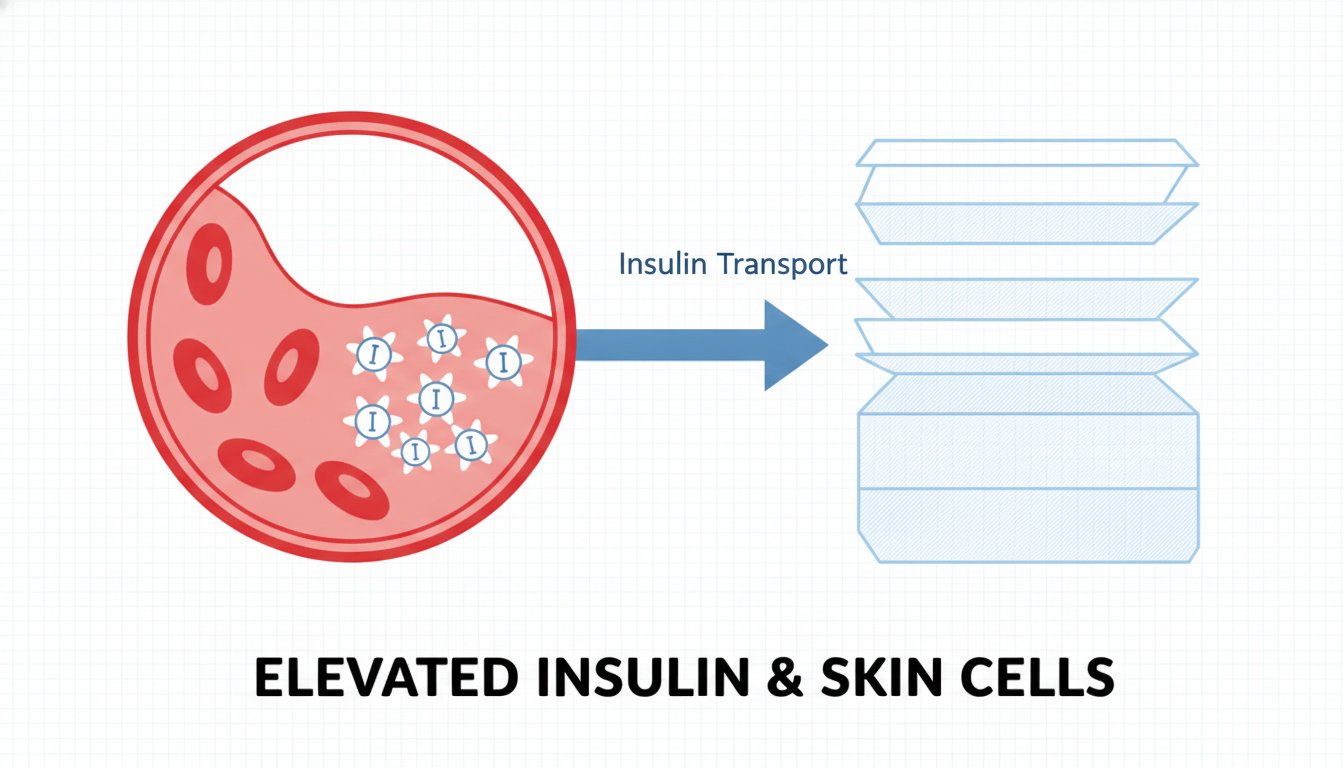
Your skin cells are highly sensitive to hormones, especially insulin. When your body is flooded with excess insulin, it interacts with specific receptors on your skin cells, causing them to behave differently. Specifically, high insulin levels stimulate the rapid growth of skin cells and increase the production of certain hormones, such as androgens (male hormones).
According to research published in the Journal of Clinical and Aesthetic Dermatology, metabolic dysfunction frequently manifests externally long before a formal diagnosis of type 2 diabetes or prediabetes is made. Because skin cells turn over constantly, they are often the first to show signs of internal chemical imbalances. Recognizing these early warning signs gives you a valuable window of opportunity to take control of your metabolic health and reverse insulin resistance before it progresses.
5 Common Skin Signs of Insulin Resistance
If you suspect your metabolism might be struggling, your skin can provide crucial clues. Here are five of the most common dermatological signs of insulin resistance that you should watch out for.
1. Acanthosis Nigricans (Velvety, Dark Patches)
Acanthosis nigricans is perhaps the most classic skin sign of insulin resistance. It presents as dark, velvety, or thick patches of skin, usually appearing in body folds and creases. You are most likely to notice it on the back or sides of the neck, in the armpits, or around the groin.
Many people mistake these dark patches for dirt and try to scrub them away, which can actually irritate the skin further. The discoloration happens because high levels of insulin bind to insulin-like growth factor (IGF-1) receptors on skin cells. This stimulates a rapid proliferation of epidermal cells, leading to a thickened, hyperpigmented texture.
2. Skin Tags (Acrochordons)
Skin tags are small, harmless growths of flesh-colored skin that dangle from a tiny stalk. While having one or two skin tags is incredibly common as we age, suddenly developing multiple skin tags is a major red flag for insulin resistance.
These growths typically appear in areas where skin rubs against skin or clothing, such as the eyelids, neck, underarms, and under the breasts. Just like acanthosis nigricans, the formation of skin tags is triggered by excess insulin promoting abnormal cell growth and collagen synthesis in the skin's outer layers.
3. Stubborn Adult Acne and Oily Skin
If you thought breakouts were supposed to end after your teenage years, you are not alone. Stubborn adult acne, particularly along the jawline and chin, is often fueled by metabolic imbalances.
When insulin levels spike, they prompt your ovaries or adrenal glands to produce more androgens. These hormones stimulate your sebaceous glands to produce excess sebum (your skin's natural oil). This excess oil, combined with rapid skin cell buildup, easily clogs your pores, leading to persistent, painful cystic acne that does not respond well to typical topical treatments.
4. Hirsutism (Excess Facial and Body Hair in Women)
For women, insulin resistance can cause coarse, dark hair to grow in areas where men typically grow hair, such as the face, chin, chest, abdomen, and back. This condition is known as hirsutism.
Insulin resistance is a primary driver of Polycystic Ovary Syndrome (PCOS), a hormonal disorder characterized by elevated male hormones. When insulin levels are consistently high, it decreases the production of sex hormone-binding globulin (SHBG), a protein that normally keeps testosterone in check. With less SHBG, free testosterone levels rise, stimulating male-pattern hair growth.
5. Slow-Healing Cuts and Dry, Itchy Skin
When your body has to work overtime to manage glucose, high blood sugar levels can damage your blood vessels and nerves over time. This damage reduces blood circulation, especially to your lower extremities like your feet and legs.
If you notice that minor scratches, bug bites, or cuts take weeks to heal, your body may be struggling with high glucose levels. Furthermore, high blood sugar draws moisture out of your skin cells to help your kidneys flush out excess sugar, leaving your skin feeling chronically dry, flaky, and itchy.

How to Improve Your Skin from the Inside Out
The good news is that your skin is incredibly resilient. Because these skin issues are external symptoms of an internal metabolic issue, the most effective way to clear them up is to address the root cause: your insulin sensitivity. By taking proactive, daily steps to manage your glucose levels, you can naturally lower your insulin levels and help your skin heal.
- Prioritize Food Sequencing: The order in which you eat your food has a massive impact on your post-meal glucose response. Try eating your vegetables (fiber) first, followed by your proteins and fats, and save your carbohydrates or starches for the very end of the meal. This simple habit slows down digestion and prevents dramatic blood sugar spikes.
- Embrace Post-Meal Movement: Your muscles are your body's primary sink for glucose. Taking a brisk 10-minute to 15-minute walk within half an hour of finishing a meal allows your muscles to soak up glucose directly from your blood, reducing the amount of insulin your pancreas needs to release.
- Focus on Whole, High-Fiber Foods: Swap out refined carbohydrates and sugary snacks for fiber-rich foods like leafy greens, avocados, chia seeds, and legumes. Fiber slows the absorption of sugar into your bloodstream, promoting stable, steady energy levels and lower insulin demand.
- Stay Consistently Hydrated: Drinking plenty of water helps your kidneys naturally filter out excess glucose and keeps your skin hydrated from the inside out. Limit sugary beverages, sodas, and juices, which trigger massive insulin spikes.
Track Your Progress with Smart Tools
Reversing insulin resistance is a journey of consistency, and having the right data can make all the difference. While laboratory tests like fasting insulin or A1C (average blood sugar level over 3 months) provide a snapshot of your health, tracking your daily glucose patterns gives you real-time feedback on how your body responds to different foods and habits.
Using a continuous glucose monitor (CGM) paired with smart glucose tracking apps can help you visualize your glucose curves in real-time. By observing how your blood sugar responds to your meals, sleep, and exercise, you can easily identify which habits support your skin health and which ones trigger metabolic stress.
A dedicated tool like GlucoAI can be incredibly empowering on this journey. GlucoAI helps you log your meals, analyze your glucose trends, and receive personalized insights to help you stabilize your blood sugar. Over time, as you smooth out your glucose curves and improve your insulin sensitivity, you will likely notice that your skin becomes clearer, brighter, and healthier.
Summary
Your skin is a powerful messenger. Skin signs like dark, velvety patches, sudden skin tags, stubborn adult acne, excess facial hair, and slow-healing cuts are often your body's way of whispering that it needs help managing insulin and glucose.
By making simple, sustainable lifestyle adjustments—such as changing your food order, walking after meals, and prioritizing fiber—you can successfully improve your insulin sensitivity. Please consult your doctor or a dermatologist if you notice these skin changes, as they can help you run the necessary blood work to assess your metabolic health. With patience, consistency, and the right tracking tools, you can heal your metabolism and achieve radiant, healthy skin from the inside out.
GlucoAI — Smart Blood Sugar Monitor
Track, analyze, and optimize your glucose levels with AI-powered insights.