
- Published on
Endocrine Disruptors and Your Blood Sugar Levels
Endocrine Disruptors and Your Blood Sugar Levels
When you think about managing your blood sugar, your mind likely goes straight to your dinner plate. You consider the carbohydrates, the fiber, and perhaps the timing of your last meal. But what if the hidden factors influencing your glucose levels aren't just found in your kitchen, but under your bathroom sink or tucked away in your cleaning supplies?
Emerging research suggests that endocrine disruptors—common chemicals found in everyday household products—may play a significant role in metabolic health. By interfering with your body’s hormonal systems, these substances can impact how you process insulin and regulate glucose. Understanding this connection is a vital step in gaining a more holistic view of your metabolic well-being.
What Are Endocrine Disruptors?
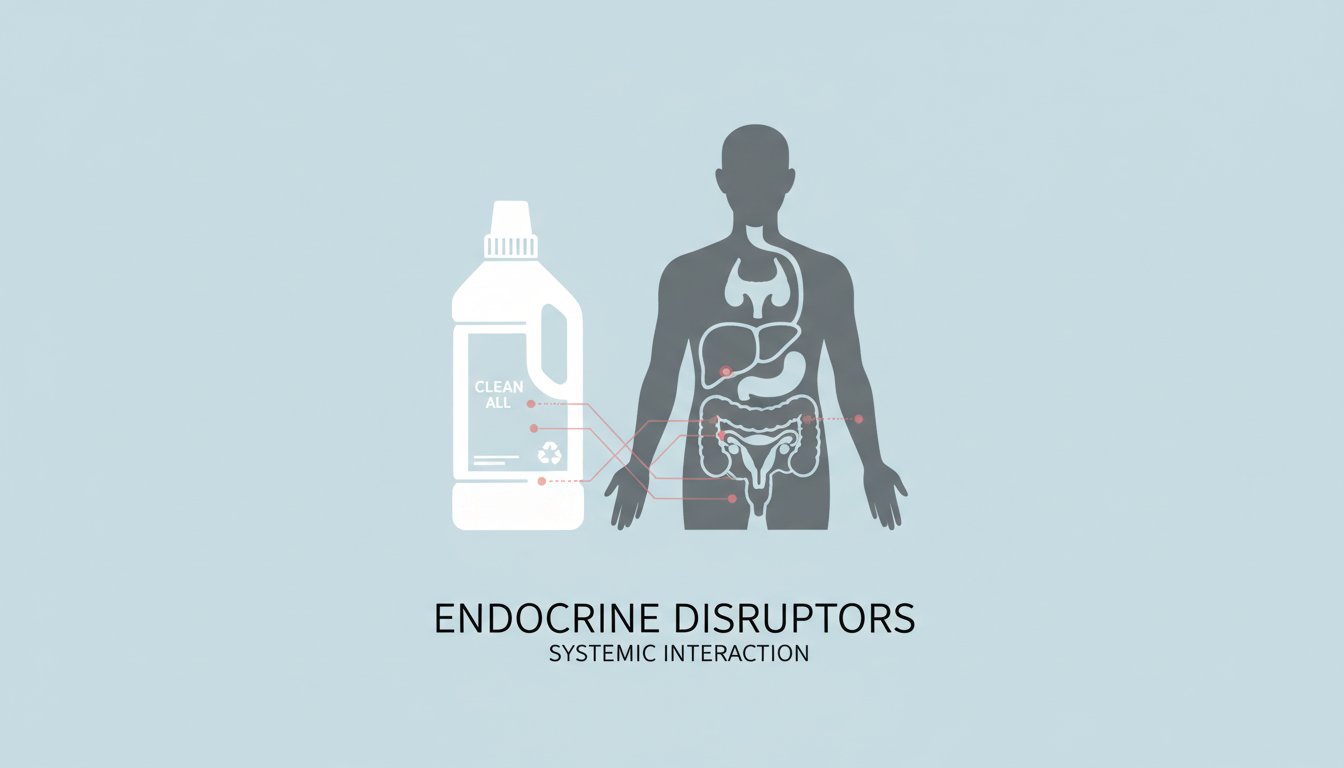
Endocrine-disrupting chemicals, or EDCs, are substances that mimic, block, or interfere with the body's hormones. Your endocrine system is a complex network of glands that produce hormones, which act as chemical messengers to control nearly every physiological process, including energy metabolism, reproduction, and growth.
When these chemicals enter your body—through the air you breathe, the water you drink, or the products you apply to your skin—they can send "confused" signals to your cells. For those managing diabetes or working to improve insulin sensitivity, this interference can be particularly challenging. Some EDCs are specifically linked to metabolic dysfunction, potentially exacerbating insulin resistance, a condition where your cells don't respond effectively to insulin, leading to elevated blood sugar.
Where Do These Chemicals Hide?
It is nearly impossible to avoid all environmental chemicals in the modern world, but knowing where they hide is the first step toward reducing your exposure. Many of these disruptors are found in everyday items:
Bisphenols (BPA and BPS)
Often found in hard plastics, thermal receipt paper, and the linings of some canned foods, bisphenols are notorious endocrine disruptors. Studies have suggested a link between high BPA exposure and an increased risk of developing type 2 diabetes.
Phthalates
These are "plasticizers" used to make materials more flexible and durable. You will find them in vinyl flooring, food packaging, and, perhaps most concerning, personal care products like lotions, shampoos, and fragrances. Phthalates have been associated with altered glucose metabolism in several clinical studies.
Per- and Polyfluoroalkyl Substances (PFAS)
Known as "forever chemicals," these are used for their non-stick and water-resistant properties in cookware, food wrappers, and water-repellent clothing. Evidence suggests that high levels of these substances may interfere with metabolic pathways and lipid regulation.
How EDCs Impact Insulin Sensitivity
The mechanism behind how these chemicals affect your blood sugar is complex, but it often revolves around the disruption of metabolic signaling. Insulin is the hormone responsible for allowing glucose to enter your cells from the bloodstream. When EDCs interfere with the receptors or the production of insulin, the system becomes less efficient.
Furthermore, some of these chemicals are "obesogens," meaning they may promote the storage of fat, particularly visceral fat around your organs. Visceral fat is highly metabolically active and is a known driver of systemic inflammation and insulin resistance. By disrupting your hormones, these chemicals may make it harder for your body to maintain a stable glucose baseline, even if you are diligently tracking your meals and exercise.

Practical Steps to Reduce Your Exposure
While you cannot control all environmental factors, you can significantly reduce your "chemical load" through small, consistent changes in your home environment.
- Choose glass or stainless steel: When storing or heating food, opt for glass or stainless steel containers instead of plastic to avoid leaching chemicals.
- Filter your water: High-quality water filtration systems can help remove many contaminants, including certain EDCs, from your tap water.
- Audit your personal care products: Look for "fragrance-free" or "phthalate-free" labels on your shampoo, soap, and lotions. The skin is the body's largest organ, and it absorbs much of what we put on it.
- Dust frequently: Many household chemicals, including flame retardants, accumulate in house dust. Using a vacuum with a HEPA filter can help keep your indoor air cleaner.
- Eat whole foods: By reducing your reliance on processed, pre-packaged foods, you automatically decrease your exposure to the plastic linings and wrappers that contain bisphenols and phthalates.
The Role of Consistent Monitoring
If you are concerned about how environmental factors might be affecting your glucose, the best way to gain clarity is to track your data. When you have a clear picture of your blood sugar patterns, you can better identify when unexpected spikes occur.
Using glucose tracking apps like GlucoAI allows you to keep a digital record of your glucose readings alongside your daily activities. If you notice persistent, unexplained variability in your blood sugar, you might start documenting your environment—such as switching to a new cleaning product or using a different type of plastic container—to see if there is a correlation. Please consult your doctor if you notice significant, persistent changes in your glucose levels, as they can help you determine the best path forward for your specific health needs.
Summary and Key Takeaways
Managing your health is not just about what you eat; it is about the environment you create for your body to thrive. Endocrine disruptors are a hidden variable in the metabolic equation, but they don't have to control your health outcomes.
- Awareness is power: Recognize that common chemicals in plastics, personal care products, and household items can act as endocrine disruptors.
- Minimize exposure: Small changes, like switching to glass containers and choosing cleaner personal care products, can lower your chemical burden.
- Track your trends: Use tools like GlucoAI to monitor your glucose stability. Data helps you move from guessing to knowing how your lifestyle and environment impact your health.
- Consult your team: Always speak with your healthcare provider if you are worried about your blood sugar levels or metabolic health.
By taking a proactive approach to both your diet and your environment, you can better support your body’s natural ability to regulate blood sugar. Start today by reviewing one area of your home—perhaps your kitchen storage or bathroom cabinet—and making a simple, healthier swap. Your metabolic health is a journey, and every small step toward balance makes a difference.
GlucoAI — Smart Blood Sugar Monitor
Track, analyze, and optimize your glucose levels with AI-powered insights.