
- Published on
Emergency Glucose Prep: A Disaster Readiness Guide
Emergency Glucose Prep: A Disaster Readiness Guide
When a storm hits or the power goes out, the last thing you want to worry about is whether you have enough supplies to manage your blood sugar. For those of us living with diabetes, emergency preparedness isn't just about having extra batteries or flashlights—it is a vital component of our health management strategy. Whether you are facing a multi-day power outage, a severe weather event, or an unexpected travel disruption, having a "go-bag" ready can turn a stressful situation into a manageable one.
Building a glucose-friendly emergency kit is about more than just stocking up on test strips. It requires a thoughtful approach to keeping your medications stable, your monitoring devices powered, and your body fueled. By taking proactive steps today, you can ensure that even when the world feels chaotic, your metabolic health remains steady.
Assessing Your Emergency Needs
Before you start gathering supplies, it is helpful to take stock of your daily requirements. Think of this as your "baseline" for safety. An emergency kit should ideally contain enough supplies to cover you for at least 7 to 14 days. This includes not just your immediate glucose monitoring tools, but also backup options in case technology fails.
When power is unavailable, the reliability of your equipment becomes paramount. If you rely on a Continuous Glucose Monitor (CGM), consider how you will keep your receiver or smartphone charged. If you use insulin, temperature control becomes your primary challenge. By identifying these specific vulnerabilities now, you can create a robust plan that keeps you safe regardless of the external circumstances.
Essential Supplies for Your Glucose Kit
A comprehensive emergency kit should be organized, portable, and easy to access. I recommend keeping these items in a waterproof, insulated bag that you can grab at a moment's notice.
1. The Monitoring Toolkit
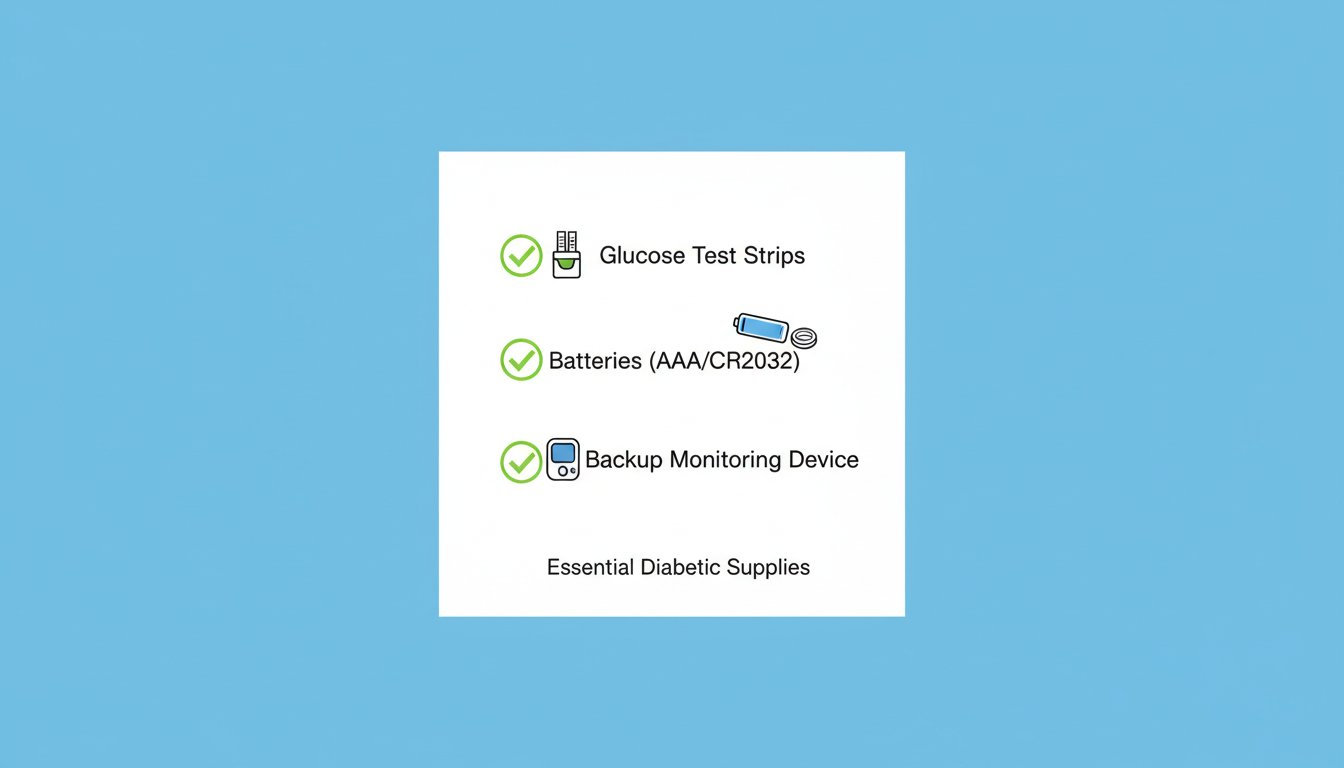
- Backup Blood Glucose Meter (BGM): Even if you use a CGM exclusively, always keep a traditional BGM with plenty of test strips. CGMs rely on sensors and transmitters that may fail or lose connectivity; a BGM is your reliable fallback.
- Extra Batteries and Power Banks: Ensure you have high-capacity portable power banks to keep your phone or receiver charged. Check these every few months to ensure they hold a charge.
- Logbook and Pen: In a digital outage, don't rely on apps alone. Having a paper record of your readings can be a literal lifesaver if you need to consult with a medical professional later.
2. Medication and Temperature Control
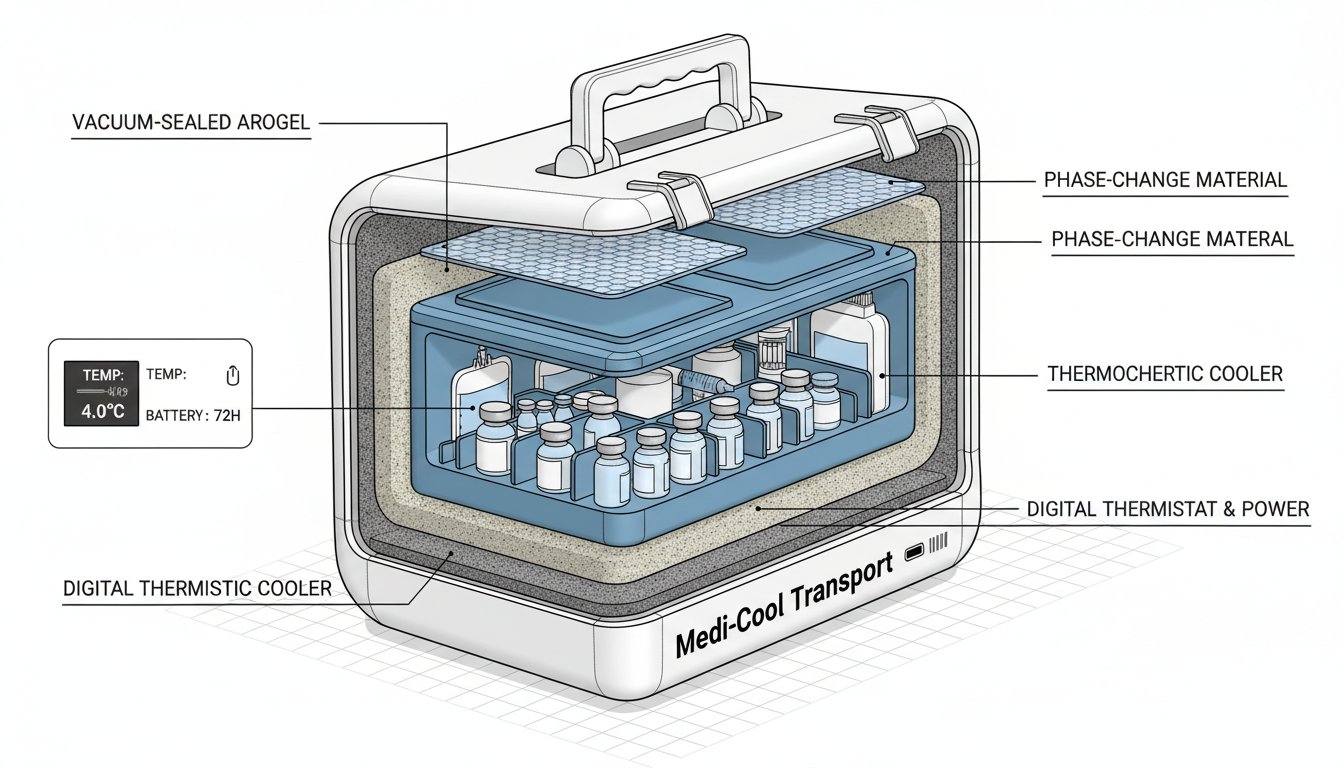
- Insulin Storage: Insulin is sensitive to temperature. If you are in a hot climate or a power outage, use a medical-grade cooler or an evaporative cooling wallet to keep your insulin within safe ranges.
- Emergency Prescriptions: Always keep at least a two-week supply of all your medications, including oral medications or glucagon kits, in your kit.
3. Glucose Management Supplies
- Fast-Acting Carbohydrates: Pack glucose tabs, gel packets, or small, non-perishable juice boxes. These are essential for treating hypoglycemia (low blood sugar) quickly.
- Long-Lasting Snacks: Include protein-rich, shelf-stable items like nut butters, jerky, or canned proteins to help stabilize your blood sugar over longer periods.
Protecting Your Supplies from the Elements
Natural disasters often bring extreme temperatures, which can wreak havoc on glucose monitoring supplies. Most insulin and test strips have a specific temperature range in which they remain effective. Exposure to extreme heat or freezing cold can render your supplies inaccurate or ineffective.
If you are evacuating, keep your emergency kit with you at all times. Never leave your medical supplies in a car or a non-climate-controlled storage area. If you are staying put during a power outage, store your medication in the coolest part of your home, away from windows and direct sunlight. If you use a refrigerator, keep the door closed as much as possible to maintain the temperature; if the power is out for an extended period, an insulated cooler with ice packs is your best friend.
Managing Glucose During High-Stress Situations
It is a well-documented fact that stress impacts blood sugar. During a disaster or emergency, your body may release cortisol and adrenaline, which can cause your glucose levels to rise unexpectedly, even if you haven't eaten. This is a physiological response, not a failure on your part.
During these times, frequent monitoring is your best defense. If you find yourself in a high-stress environment, try to:
- Monitor More Frequently: If your CGM data seems erratic due to stress, double-check with your manual BGM.
- Stay Hydrated: Dehydration can lead to higher blood sugar readings and reduced insulin effectiveness. Even when water is scarce, prioritize hydration.
- Focus on Fiber and Protein: When you are limited to shelf-stable emergency foods, try to prioritize items that won't cause sharp glucose spikes.
If you are already using digital tools to track your health, remember that consistency is key. Maintaining your data logging, even in a simplified format, can provide you with the insights you need to adjust your insulin or dietary intake safely. For those who want to simplify the process of tracking their health under pressure, tools like GlucoAI can help you visualize trends and patterns, even when you're managing the stressors of daily life or an emergency.
Troubleshooting Common Emergency Scenarios
What if my CGM stops working?
If your CGM loses signal or the sensor fails, do not panic. Switch immediately to your backup BGM. Use the time to check your last known trends and proceed with your standard manual management protocols until you can restore your CGM connection.
What if my phone dies?
If you rely on your smartphone for your glucose tracking apps, prioritize your battery for that app. Turn off non-essential notifications, lower your screen brightness, and use a dedicated power bank. Having a physical logbook is the perfect low-tech solution to ensure you don't lose your data history.
What if I run out of supplies?
If a disaster lasts longer than expected and your supplies are running low, contact your pharmacist or primary care provider as soon as possible. Most pharmacies have emergency protocols for refilling medications early during state-declared disasters.
Summary
Emergency preparedness is an act of self-care. By assembling a well-stocked kit that includes a backup BGM, extra batteries, temperature-controlled insulin storage, and reliable glucose sources, you remove the guesswork from crisis management.
Remember these three pillars of readiness:
- Redundancy: Always have a manual, low-tech backup for your high-tech tools.
- Protection: Keep your medications within their recommended temperature ranges.
- Documentation: Keep a paper record of your glucose levels and medication doses.
You don't have to navigate the complexities of glucose management alone. While you build your physical emergency kit, consider using digital resources to keep your health data organized and easy to share with your medical team. Please consult your doctor to discuss your specific emergency medical plan, especially if you have complex insulin needs. By staying proactive and organized, you can ensure that you are ready for whatever comes your way. Stay prepared, stay safe, and keep tracking your progress.
GlucoAI — Smart Blood Sugar Monitor
Track, analyze, and optimize your glucose levels with AI-powered insights.