
- Published on
Electrolytes and Glucose: Managing Spikes with Hydration
Have you ever noticed your blood sugar levels creeping upward on a hot day, even if you haven't changed your diet? It’s a common frustration, and the answer often lies hidden in your water bottle. Proper hydration is more than just quenching your thirst; it is a fundamental pillar of metabolic health and blood sugar regulation.
When you are dehydrated, your blood volume decreases, which leads to a higher concentration of glucose in your bloodstream. This is a simple matter of dilution. When that concentration rises, your body has to work much harder to transport insulin—the hormone responsible for moving glucose out of your blood and into your cells—to do its job effectively. By focusing on hydration and the right balance of electrolytes, you can help keep your blood sugar more stable throughout the day.
The Relationship Between Dehydration and Glucose Spikes
To understand why water matters so much, think of your bloodstream as a river. If the river shrinks because of a drought (dehydration), the concentration of debris (glucose) in that river becomes much denser. When your blood glucose levels rise, your kidneys try to flush out the excess sugar through your urine. This process requires a significant amount of water, which can lead to further dehydration if you aren't actively replenishing your fluids.
This creates a self-perpetuating cycle: high blood sugar leads to dehydration, and dehydration makes it harder for your body to manage blood sugar, often leading to even higher readings. This is why staying ahead of your hydration needs is one of the most practical, low-cost strategies for managing glucose spikes.
Why Electrolytes Are the Missing Link
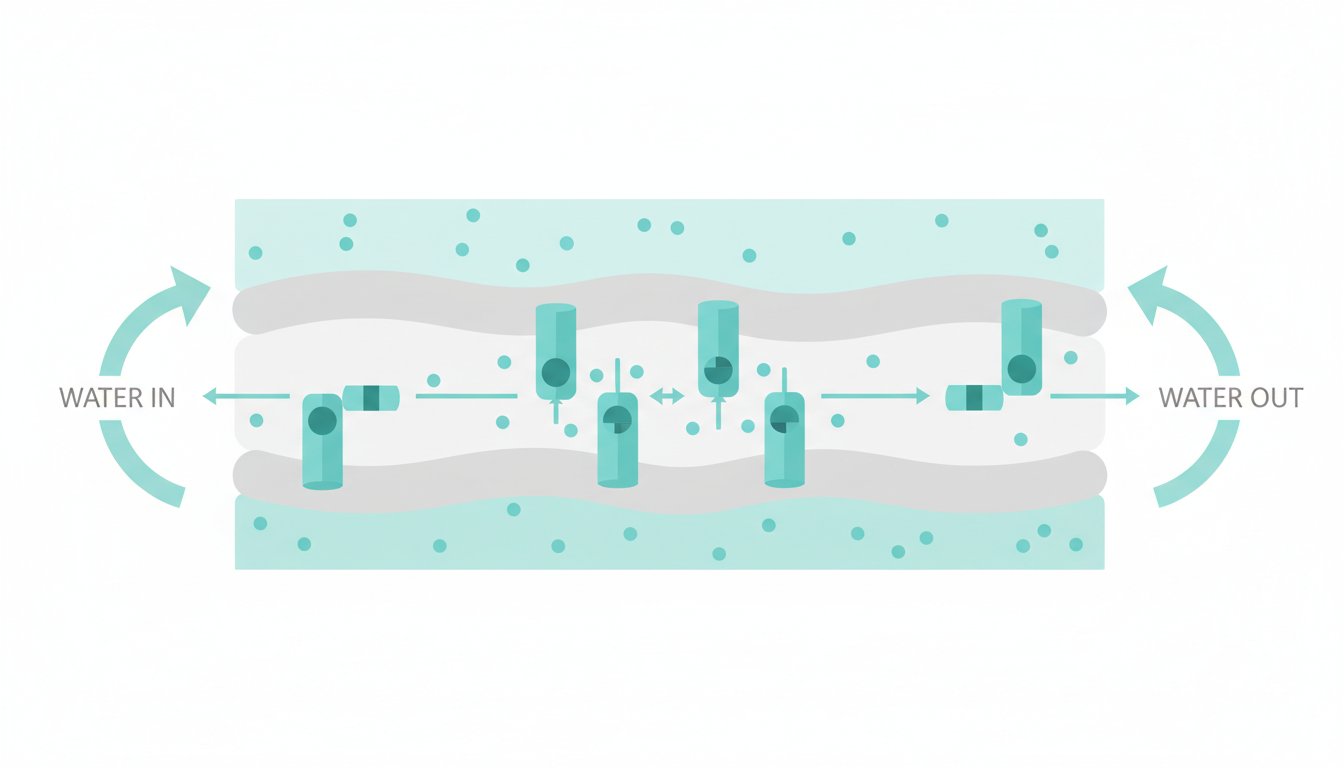
While plain water is essential, it isn't always enough, especially if you are active or living in a warmer climate. Electrolytes—minerals like sodium, potassium, magnesium, and calcium—carry an electric charge that helps your body perform critical functions, including fluid balance and nerve signaling.
Sodium and Glucose Transport
Sodium is frequently misunderstood in the context of blood sugar. While excessive sodium intake isn't ideal for everyone, your body requires adequate sodium to maintain blood volume. Without it, your cells struggle to hold onto the water you drink, which can lead to the "concentrated blood" effect mentioned earlier.
Magnesium and Insulin Sensitivity
Magnesium is a powerhouse mineral for metabolic health. Research suggests that magnesium plays a key role in how your cells respond to insulin. A deficiency in magnesium is often linked to increased insulin resistance, making it harder for your body to clear glucose from your blood. Ensuring you have enough of this mineral can be a game-changer for those looking to improve their A1C (the average of your blood sugar levels over the past three months).
Potassium and Fluid Balance
Potassium works in tandem with sodium to manage the fluid inside and outside of your cells. When your potassium levels are optimal, your body can better regulate blood pressure and support the electrical impulses that keep your metabolism functioning smoothly.
Practical Steps to Optimize Hydration for Glucose Control
Managing your hydration doesn't have to be complicated. By integrating a few simple habits, you can create a more stable environment for your blood glucose levels.
- Monitor Your Intake: Aim for consistent water consumption throughout the day rather than chugging large amounts all at once. Using glucose tracking apps can help you correlate your hydration levels with your daily glucose patterns.
- Choose the Right Electrolytes: Many sports drinks are packed with added sugars, which can trigger the very glucose spikes you are trying to avoid. Look for sugar-free electrolyte powders or whole-food sources like coconut water, leafy greens, and avocados.
- Check Your Morning Numbers: If you struggle with the "dawn phenomenon" (a natural rise in blood sugar in the early morning), check your hydration status the night before. Being slightly dehydrated while you sleep can exacerbate these morning spikes.
- Listen to Your Body: Thirst is a late indicator of dehydration. Pay attention to signs like fatigue, dry mouth, or dark-colored urine, and increase your fluid intake accordingly.

Troubleshooting Common Hydration Challenges
Issue: "I drink plenty of water but still feel dehydrated."
Solution: You might be missing the electrolytes required to retain that water. If you are drinking water but urinating frequently, your body may be flushing out the fluid without absorbing it. Try adding a pinch of sea salt or a sugar-free electrolyte supplement to your water to help your body hold onto the hydration.
Issue: "How do I know if my hydration is affecting my spikes?"
Solution: Use a systematic approach. For one week, focus on consistent hydration and note the timing of your glucose readings. With the help of GlucoAI, you can log your water and electrolyte intake alongside your glucose data. Over time, you will start to see clear patterns in how your body responds to different hydration levels, allowing you to make data-backed adjustments.
Results You Can Expect
When you prioritize hydration, you aren't just supporting your kidneys; you are optimizing your entire metabolic engine. Many users find that consistent hydration leads to:
- Flatter Glucose Curves: Fewer sharp peaks after meals.
- Increased Energy: Proper fluid balance reduces the sluggishness often associated with high or unstable blood sugar.
- Improved Insulin Sensitivity: Over time, your body becomes more efficient at utilizing the insulin it produces.
Conclusion
Hydration is a foundational aspect of diabetes management that is often overlooked in favor of more complex dietary changes. By ensuring you are well-hydrated and have a healthy balance of electrolytes, you provide your body with the stability it needs to process glucose effectively.
Remember, metabolic health is a journey of small, consistent habits. Start by tracking your water intake and observing how your glucose levels respond. If you are looking for a way to make sense of these patterns, GlucoAI can help you visualize the connection between your hydration habits and your glucose stability. By monitoring your data consistently, you can turn hydration into one of your most effective tools for glucose management.
Disclaimer: This information is for educational purposes and does not constitute medical advice. Please consult your doctor before making significant changes to your diet, hydration, or diabetes management plan.
Key Takeaways:
- Dehydration concentrates blood sugar, making it harder for your body to maintain stability.
- Electrolytes like sodium, magnesium, and potassium are essential for fluid balance and insulin sensitivity.
- Avoid sugary sports drinks; opt for sugar-free electrolyte sources to prevent unwanted glucose spikes.
- Track your hydration alongside your glucose readings to identify personal patterns and improvements.
GlucoAI — Smart Blood Sugar Monitor
Track, analyze, and optimize your glucose levels with AI-powered insights.