
- Published on
Does Meal Temperature Affect Your Blood Sugar?
Does Meal Temperature Affect Your Blood Sugar?
Have you ever noticed that a warm bowl of oatmeal seems to affect your energy levels differently than a chilled overnight oat bowl? While we often obsess over the macronutrient content of our meals—counting grams of carbohydrates, protein, and fat—we rarely stop to consider the physical state of the food we consume. The temperature of your meal is more than just a matter of preference; it is a fascinating variable in the complex equation of blood sugar management.
When you eat, your body begins a sophisticated process of breaking down food into glucose, which enters your bloodstream for energy. For those of us monitoring our glucose levels, understanding how even subtle factors like temperature influence this process can be a powerful tool in our metabolic toolkit. Let’s explore whether eating cold versus hot food truly makes a difference in your glycemic response.
The Role of Starch Retrogradation
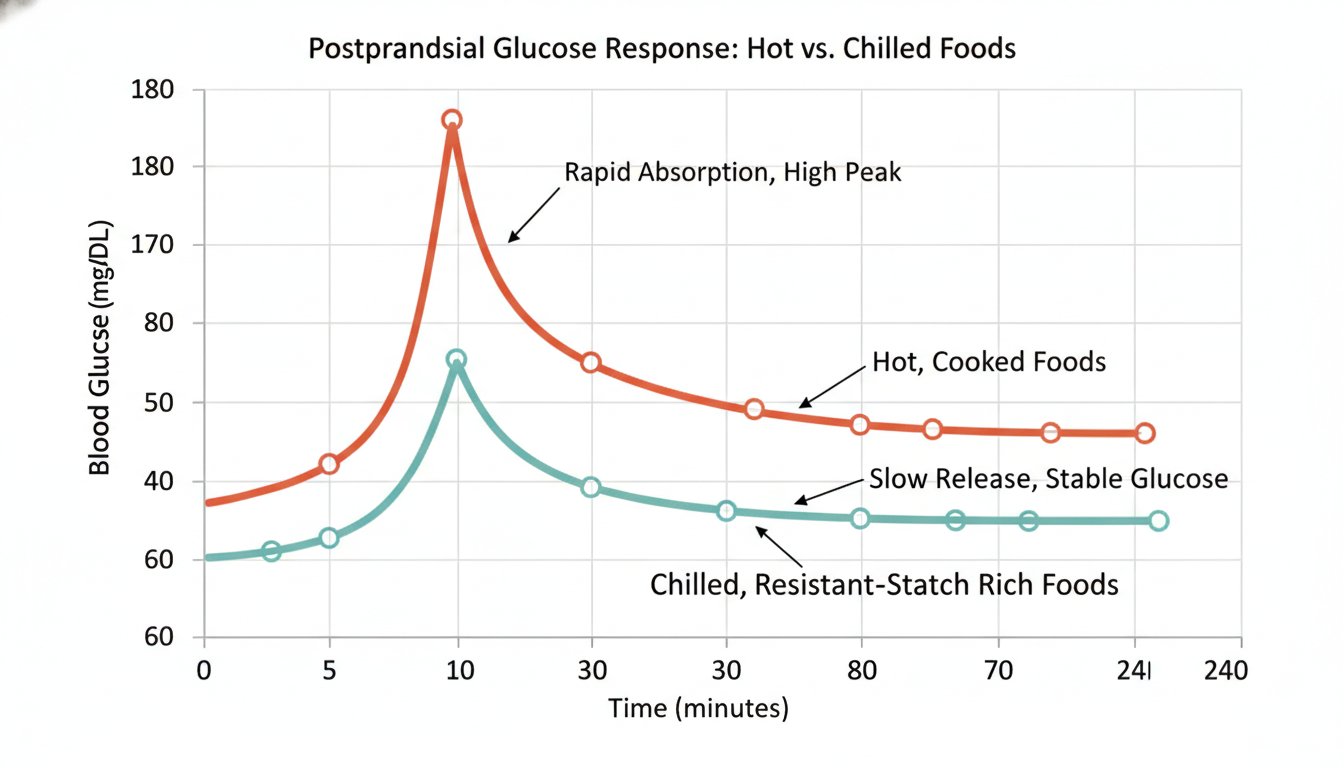
The most significant way temperature influences your blood sugar lies in the chemistry of starches. When starchy foods like potatoes, rice, or pasta are cooked, their starch molecules absorb water and swell, a process known as gelatinization. This makes the starch highly accessible to your digestive enzymes, leading to a faster and often more significant spike in blood glucose.
However, a phenomenon called "starch retrogradation" occurs when these cooked starches are cooled. As the food drops in temperature, the starch molecules begin to realign into a more crystalline, compact structure. This change transforms a portion of the starch into what is known as resistant starch.
What is Resistant Starch?
Resistant starch acts much like dietary fiber. Because it resists digestion in the small intestine, it does not break down into glucose as easily as regular starch. Instead, it travels to the large intestine, where it serves as food for your gut bacteria.
By consuming foods that have been cooked and then chilled—such as a potato salad made from boiled, cooled potatoes—you are effectively lowering the glycemic impact of that meal. This is a simple, actionable shift that can help you achieve more stable glucose levels throughout the day without necessarily changing the ingredients themselves.
Digestion, Temperature, and Gut Motility
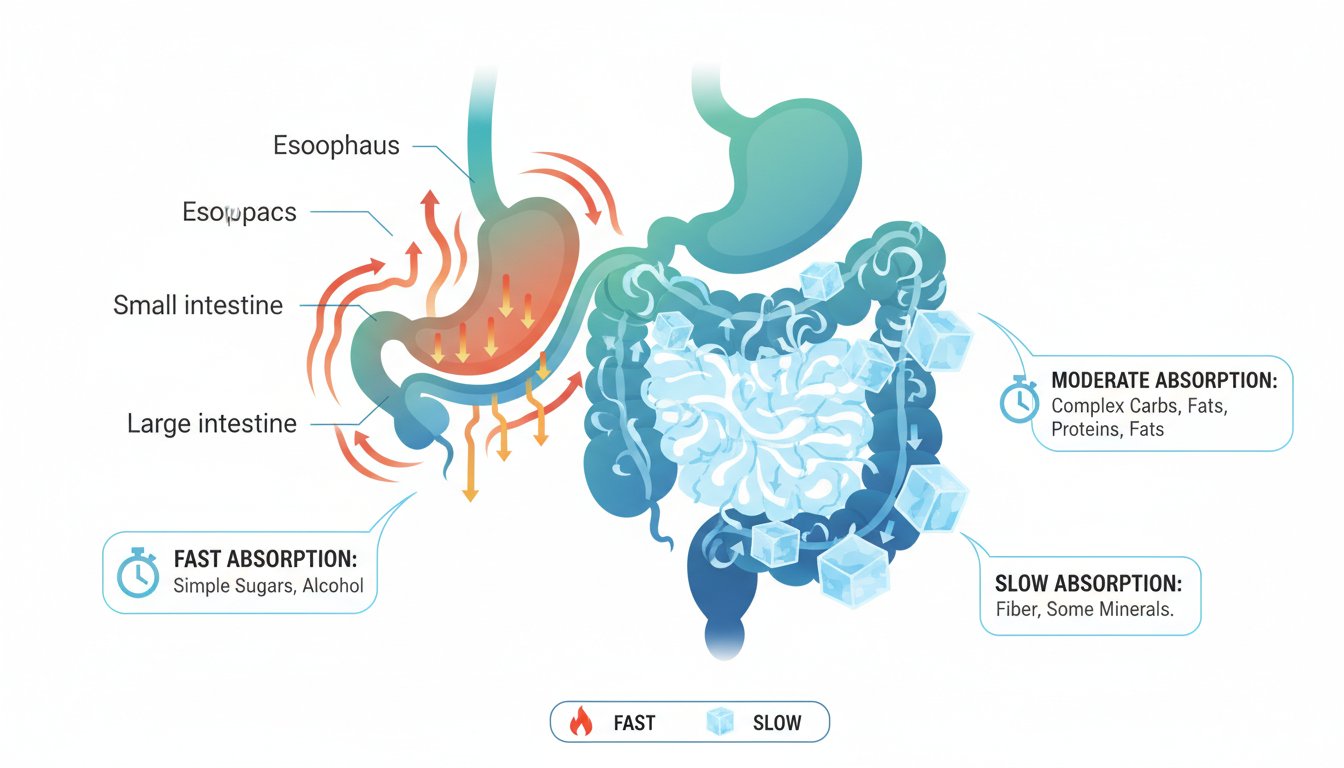
Beyond the chemical structure of starch, the temperature of food may also influence how quickly your stomach empties, a process known as gastric emptying. Research suggests that very hot or very cold foods might slightly alter the speed at which food moves from your stomach into the small intestine, where nutrient absorption primarily occurs.
While the digestive system is remarkably efficient at bringing food to body temperature before full digestion begins, the initial physical state of the meal can trigger different hormonal responses. Some studies indicate that very cold meals may slightly slow down the initial rate of digestion, which could theoretically lead to a more gradual rise in blood sugar compared to steaming hot meals.
However, it is important to remember that these effects are often subtle. Factors like the fiber content, protein-to-carb ratio, and the presence of healthy fats in your meal will almost always have a more profound impact on your blood sugar than the temperature alone.
Practical Tips for Managing Glucose Through Temperature
If you are looking to experiment with how meal temperature affects your metabolic health, you don't need to overhaul your entire diet. Instead, focus on these manageable adjustments:
1. The "Cook and Cool" Method
If you enjoy rice, pasta, or potatoes, cook them in advance and let them cool in the refrigerator for at least 12 to 24 hours. Reheating them gently later does not fully reverse the formation of resistant starch, meaning you still get the glycemic benefits of the cooling process.
2. Prioritize Balance
Never rely solely on temperature to manage your glucose. Always pair your starches with high-quality protein and healthy fats. For example, if you are having a cold pasta salad, add grilled chicken or chickpeas and olive oil to further blunt the blood sugar response.
3. Track Your Personal Response
Every individual's metabolism is unique. What causes a spike in one person may have a minimal effect on another. Using a Continuous Glucose Monitor (CGM) is the most effective way to see how your body specifically reacts to hot versus cold versions of your favorite meals. By using tools like GlucoAI, you can log these meals and observe the patterns over time, allowing you to make data-driven decisions about your nutrition.
When Temperature Isn't the Priority
While the science of resistant starch is compelling, it is easy to get lost in the weeds of "metabolic hacking." It is crucial to remember that the quality of your ingredients remains the foundation of your health. Choosing whole, unprocessed foods will always be more beneficial for your blood sugar than relying on temperature tricks for processed, high-sugar items.
If you find that cooling your starches helps you maintain a flatter glucose curve, that is fantastic. But if you find it complicates your meal prep or enjoyment, do not feel pressured to stick to it. Consistency in your monitoring and overall dietary habits is far more important than the thermal state of your lunch.
Summary and Key Takeaways
The temperature of your food can influence your blood sugar, primarily through the creation of resistant starch in cooled, cooked carbohydrates. Here is how you can apply this knowledge to your daily routine:
- Understand Starch Retrogradation: Cooling starches like potatoes and rice after cooking increases their resistant starch content, which can help reduce glucose spikes.
- Focus on the Big Picture: While temperature matters, the fiber, protein, and fat content of your meal are the primary drivers of your glycemic response.
- Use Data to Guide You: Use glucose tracking tools to monitor your unique reactions to different foods. GlucoAI can help you visualize these trends, making it easier to identify which meal adjustments work best for your body.
- Consult Your Healthcare Team: Always consult your doctor before making significant changes to your diabetes management plan, especially when adjusting your diet or monitoring strategy.
Ultimately, managing your glucose is about finding sustainable habits that fit your lifestyle. Whether you prefer your meals piping hot or chilled, the goal remains the same: steady, predictable, and healthy blood sugar levels. Start by keeping a close eye on your data, and use your insights to refine your path to better metabolic health.
GlucoAI — Smart Blood Sugar Monitor
Track, analyze, and optimize your glucose levels with AI-powered insights.